It is two ingredients from a corner shop and a wedge of lime, and it has a better founding legend than almost any cocktail in the canon. It also has a founding legend that does not entirely survive being checked, which is more interesting than the legend.
The short answer
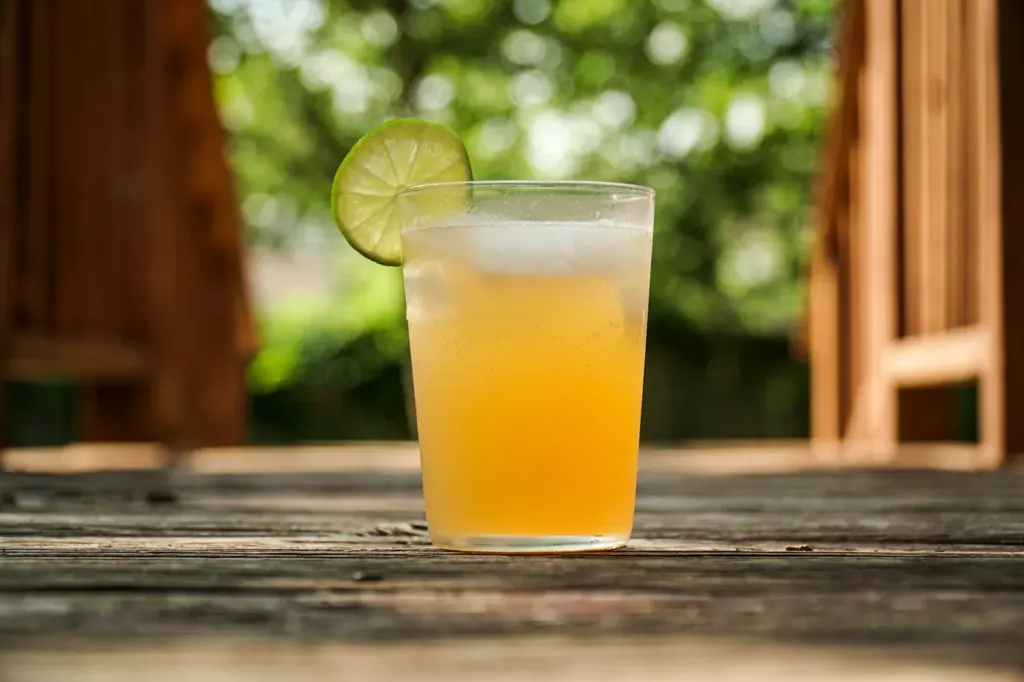
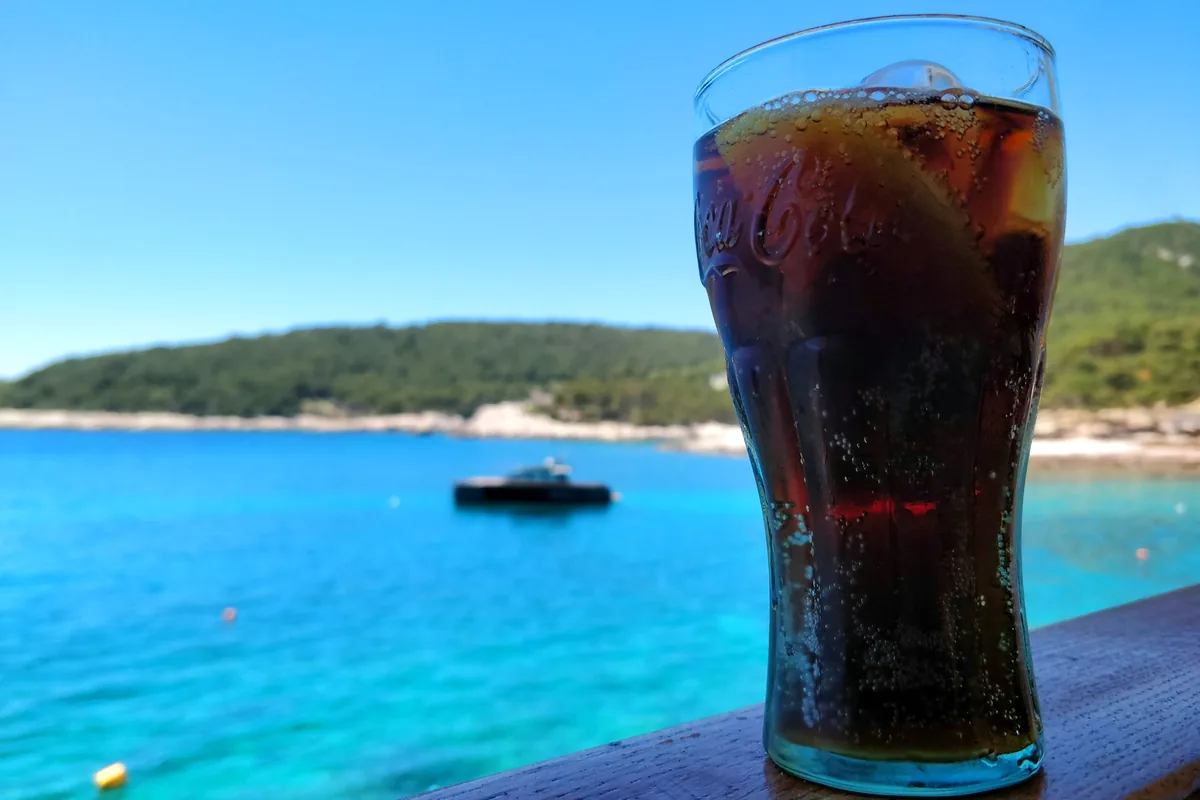
A Cuba Libre is rum, cola and fresh lime over ice in a tall glass. The name comes from ¡Cuba libre! — “free Cuba” — the slogan of the Cuban independence movement against Spain. Without the lime it is a rum and coke; with it, it is a drink with a name.
The story everyone tells
Havana, around 1900. American soldiers are in Cuba after the Spanish-American War. A Captain Russell of the US Army Signal Corps walks into a bar, orders Bacardi rum with Coca-Cola and a squeeze of lime, and the other soldiers ask for the same. Russell raises his glass and toasts “¡Cuba libre!” The drink has its name.
It is a good story. It is also, in the form usually told, an advertisement: the most detailed version of it comes from a 1965 affidavit collected by Bacardi, and the company has marketed the drink’s anniversary on the strength of it.
The timeline problem
Two dates make the standard telling awkward.
The Spanish-American War ended in August 1898. Coca-Cola, by most accounts, was not being sold in Cuba until around 1900 — some sources put it later. So the soldiers who supposedly invented the drink during the war could not have been drinking Coca-Cola during it.
The usual reconciliation is that the drink dates from the American occupation that followed rather than the fighting itself, which is plausible and much less romantic. Either way, the first solid documentary appearances of the drink under that name come well after 1900, and nobody has produced a contemporary record of Captain Russell at all.
What is not in doubt is the slogan. Cuba libre was a genuine political rallying cry, in use through the independence struggle from the 1860s onward. Naming a drink after it in occupied Havana was a joke with an edge, and that edge is the reason the name stuck.
Why the lime is not optional
This is the whole argument of the drink, and the reason it is worth treating as a cocktail rather than as a mixer served over spirit.
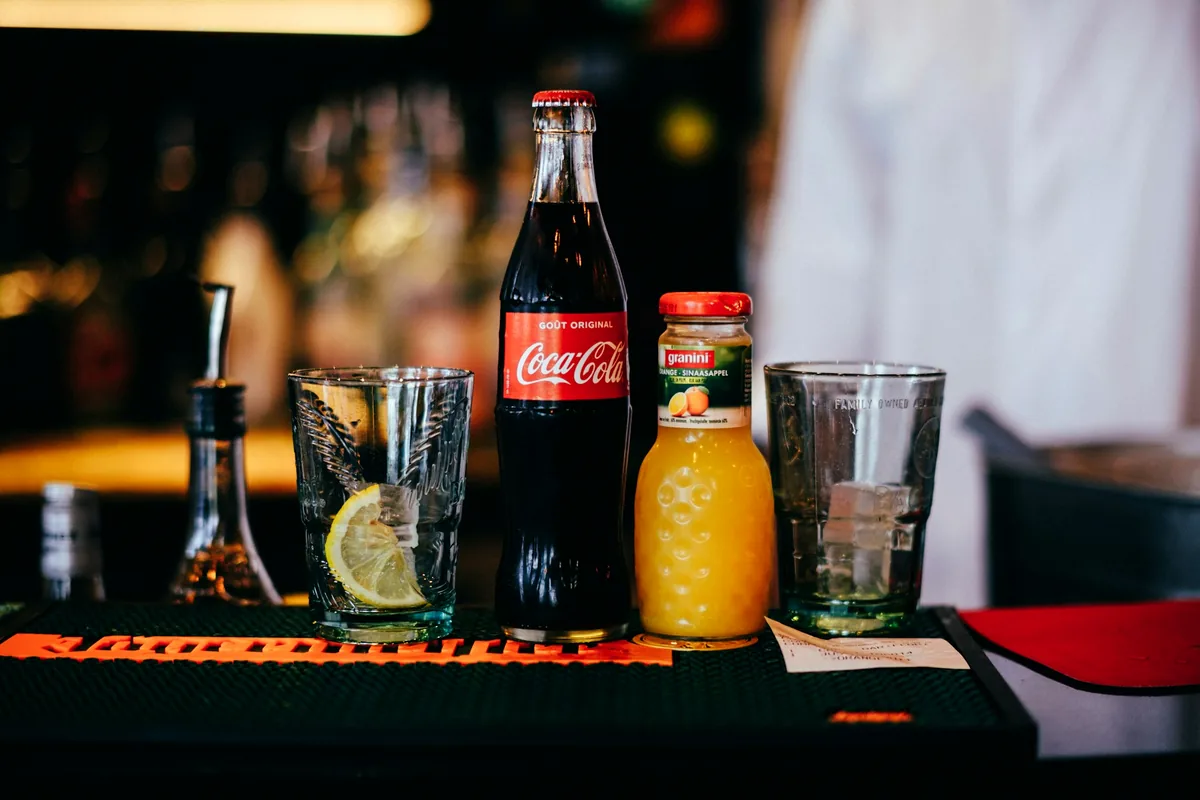
Rum and cola are both sweet. Together, without anything else, they are a flat and slightly cloying combination — pleasant, unstructured, and over almost as soon as it starts. Lime does three things to that: the acid cuts the sugar, the oil in the peel adds aroma the cola cannot supply, and the bitterness in the pith gives the finish somewhere to go.
Squeeze it in and drop the spent wedge in the glass. The received wisdom that garnish is decoration is wrong here — take the lime out and you have made a different, worse drink, which is exactly why the two have different names.
How to build one properly
It is a highball, so the highball rules apply and they are the difference between a good one and the version you remember from a wedding.
- Fill the glass with ice. Not three cubes. A full glass melts more slowly and dilutes less.
- Rum in first, so you can see the measure.
- Cola from a small glass bottle, poured gently down the side. Cola goes flat faster than almost any mixer, and a large plastic bottle opened yesterday is the single commonest fault.
- Lime last — squeeze, then drop it in.
- Do not stir hard. One lift with a spoon.
On the rum: an aged or gold rum has more to say against cola than a light white one, and Cuban-style rum is the historical choice. It is not a drink that needs an expensive bottle, but it is one where the difference between an aged rum and a bottom-shelf white is immediately obvious.
What “Cuban rum” means now
There is an awkwardness in the standard advice to use Cuban rum, and it is worth naming.
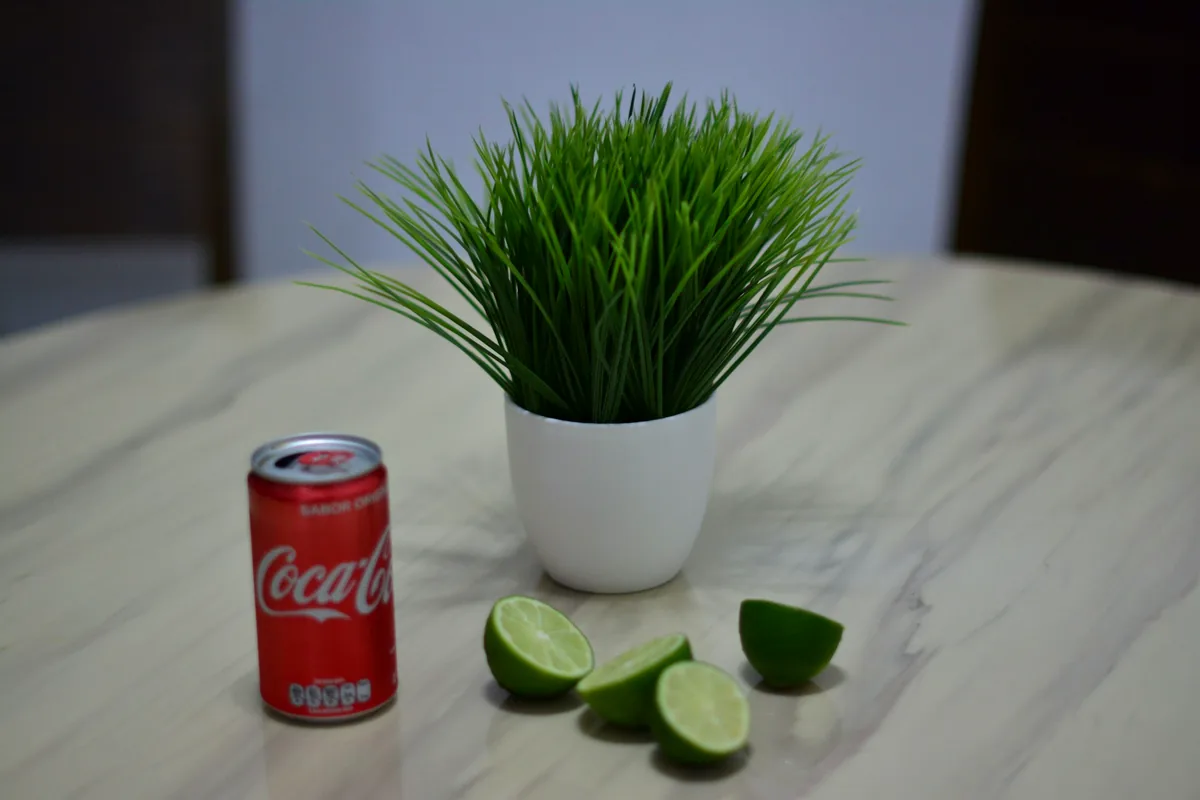
Bacardi was founded in Santiago de Cuba in 1862 and was Cuban for nearly a century. After the 1959 revolution the company’s Cuban assets were nationalised and the family left; Bacardi rebuilt abroad and is now headquartered in Bermuda, with the rum sold in the United States made largely in Puerto Rico. So the brand at the centre of the Cuba Libre’s origin story has not been a Cuban product for most of the drink’s life.
Meanwhile actual Cuban rum — Havana Club and its peers, produced on the island — cannot legally be sold in the United States under the embargo. American drinkers asking for a Cuba Libre made with Cuban rum are asking for something they cannot generally have.
What survives is the style: light-to-gold, dry, molasses-based rum of the Spanish Caribbean school. That is what the drink was built around, and it is available under plenty of labels.
What it looked like on a real list
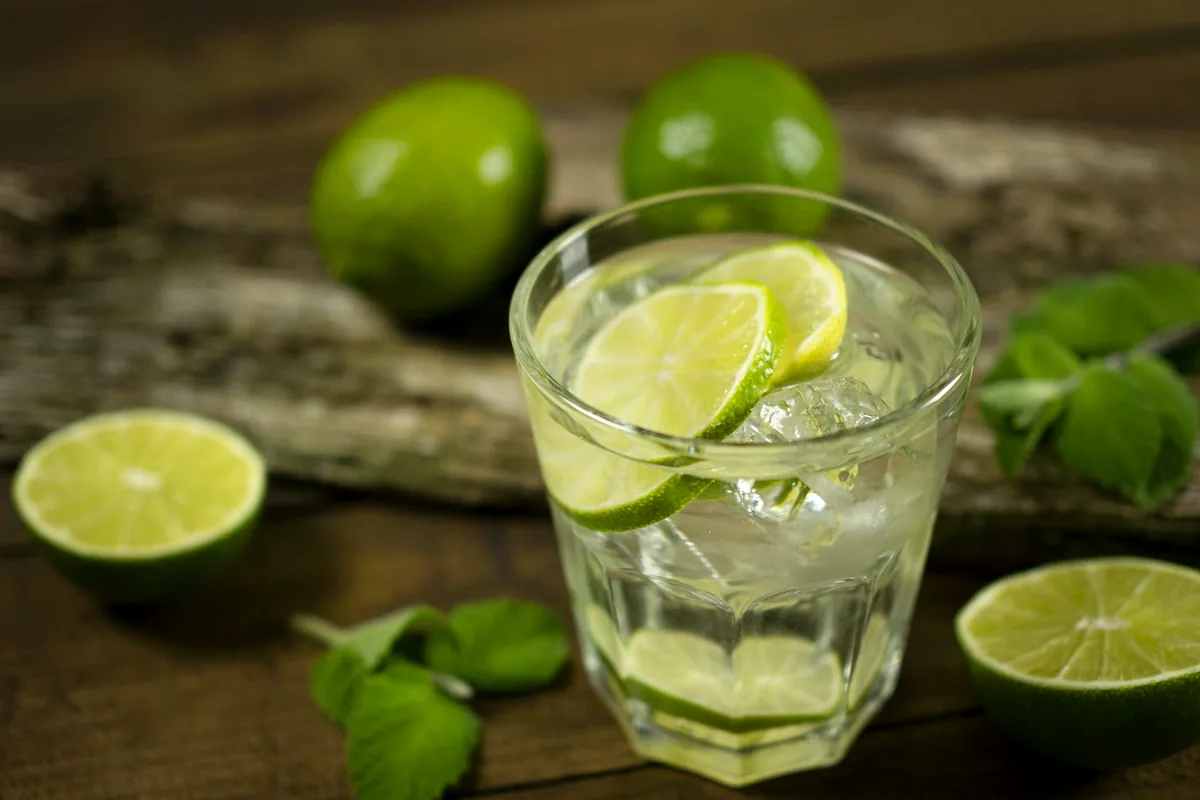
Meyboom Brasserie’s archived cocktail list, captured in February 2023, carried a Cuba Libre built with Bacardi rum, cola and lime at $10 — the cheapest drink on a list that ran to $15, and the historically orthodox build, Bacardi included.
It sat alongside two other highballs, a Warsaw’s Mule and an Aperol Spritz, and a Strawberry Mojito that is a close cousin. For a Belgian beer bar, the cocktail list was notably conventional in its long drinks and much more adventurous in its sours. The archived cocktail list is still on the site, with historical prices.
Frequently asked questions
What is the difference between a Cuba Libre and a rum and coke?
The lime. A rum and coke is two ingredients; a Cuba Libre adds fresh lime juice, which changes the balance of the drink rather than decorating it.
Who invented the Cuba Libre?
Nobody can prove it. The widely repeated Captain Russell story comes from an affidavit gathered by Bacardi in 1965 and has a timeline problem, since Coca-Cola reportedly did not reach Cuba until after the war ended.
What does Cuba Libre mean?
“Free Cuba” — the slogan of the Cuban independence movement against Spanish rule.
What rum should I use?
An aged or gold rum, ideally Cuban-style. White rum works and is the common bar pour, but it gives the cola much less to work against.
Why does my Cuba Libre taste flat?
Almost certainly the cola. Use a small bottle or can opened fresh, pour it gently, and do not stir it hard.
The short version
Rum, cola, lime, over a glass packed with ice. The name is a genuine independence slogan; the origin story is a rum company’s. Put the lime in — it is the only thing standing between this and a soft drink with rum in it.
Related: the highball family and the sour template.