
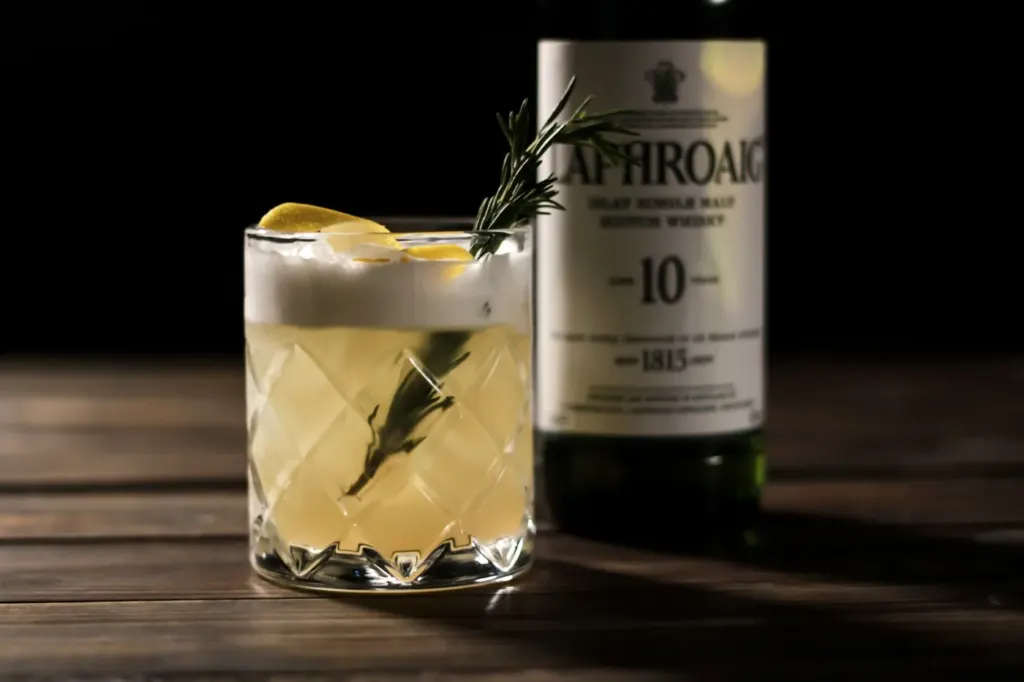
There are only so many ideas in a cocktail list. Learn one of them and a great many drinks stop being individual recipes to memorise and start being variations you can predict.
The short answer
A sour is a spirit, a sour element — almost always fresh citrus — and a sweetener, shaken with ice and strained. That is the whole template. The daiquiri, margarita, whiskey sour, sidecar, gimlet, Tom Collins and French 75 are all the same drink with different parts substituted in.
The three parts
The spirit is whatever you like. Rum makes a daiquiri, tequila a margarita, whiskey a whiskey sour, brandy a sidecar, gin a gin sour.
The acid is lemon or lime, and which one is not arbitrary. Lime goes with rum, tequila and gin; lemon with whiskey, brandy and most everything else. The convention tracks what the fruit and the spirit have in common aromatically, and following it will steer you right far more often than not.
The sweetener is usually simple syrup, but it does not have to be a syrup at all. In a margarita it is orange liqueur. In a sidecar, the same. In a Clover Club it is raspberry syrup. Anything that brings sugar can take the role, and swapping it is the single easiest way to make a new drink.
A common starting ratio is two parts spirit to three-quarters of a part each of citrus and syrup. Treat it as a starting point rather than a rule: a bracing lime will need more sugar than a dull one, and a sweeter spirit will need less.
Where the shape came from
The template is older than the cocktail. Long before anyone wrote “sour” on a menu, sailors were mixing spirit, citrus and sugar because each part solved a problem: the spirit kept, the sugar made it drinkable, and the citrus was carried against scurvy. Punch — the ancestor of most mixed drinks — is the same idea scaled up to a bowl, with water and spice added.
By the middle of the nineteenth century American bartenders had shrunk the bowl to a single glass, and Jerry Thomas’s 1862 bar book, the first of its kind, already lists sours as a category rather than as individual drinks. The formula has not needed changing since, which is a reasonable definition of a good one.
Why it has to be shaken
Sours are shaken, never stirred, and the reason is not tradition. Citrus juice and syrup are heavier than spirit and will not combine properly with gentle stirring. Shaking emulsifies them, aerates the drink, and chills it faster than stirring does.
It also introduces the dilution the drink is built around. A sour without dilution is harsh; the water from the ice is an ingredient, not a side effect.
The corollary is worth knowing when you order: any drink containing citrus, dairy or egg should be shaken. Any drink made only of spirits — a martini, a Manhattan, a Negroni — should be stirred. That single rule explains most of what a bartender does with their hands.
The optional fourth ingredient
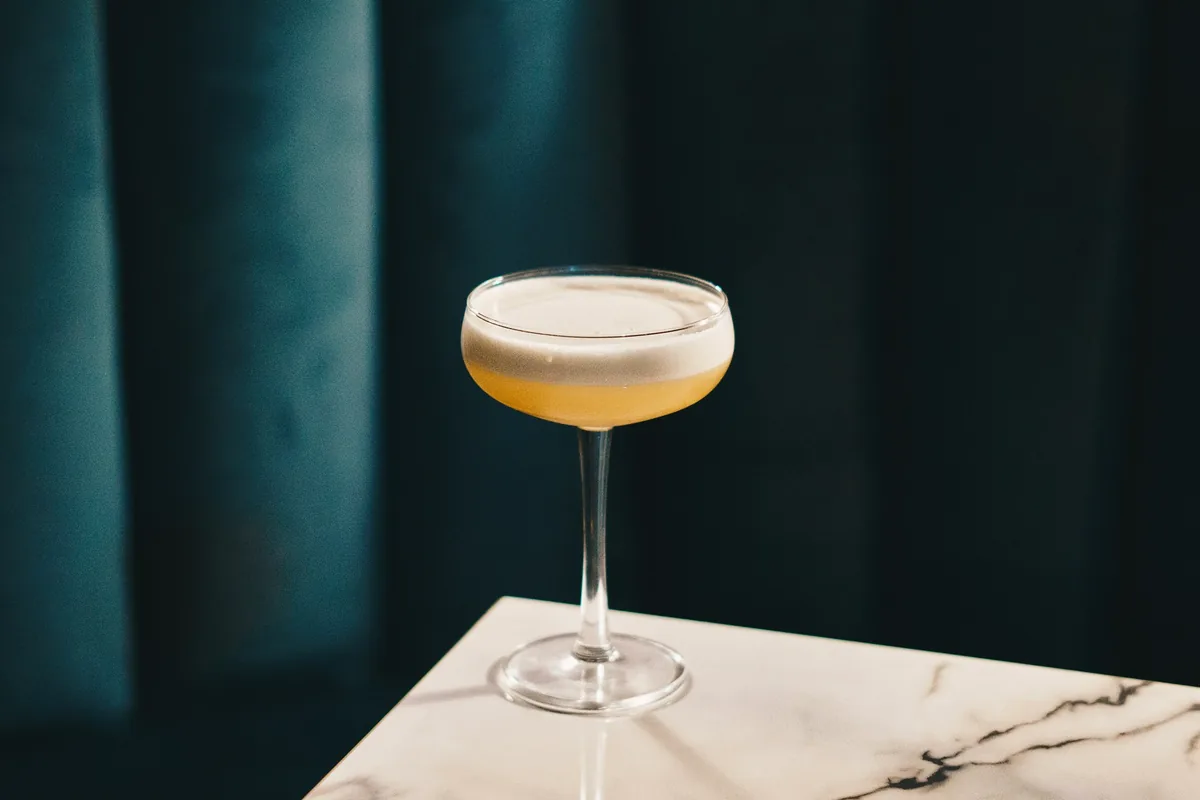
Egg white turns up in a lot of sours and does something specific: it adds body and a dense foam, and it softens the edge of the acid without making the drink sweeter. It contributes almost no flavour. We have written about it separately in why cocktails have egg white in them.
A sour with egg white is sometimes called a “silver” sour; with the whole egg, a “golden” one; with cream and egg, a Ramos-style fizz. Aquafaba works as a substitute if you would rather not use raw egg.
The family, mapped
| Drink | Spirit | Citrus | Sweetener | Extra |
|---|---|---|---|---|
| Daiquiri | White rum | Lime | Simple syrup | – |
| Margarita | Tequila | Lime | Orange liqueur | Salt rim |
| Whiskey sour | Bourbon or rye | Lemon | Simple syrup | Egg white, optional |
| Sidecar | Cognac | Lemon | Orange liqueur | Sugar rim |
| Clover Club | Gin | Lemon | Raspberry syrup | Egg white |
| Tom Collins | Gin | Lemon | Simple syrup | Soda water |
| French 75 | Gin | Lemon | Simple syrup | Sparkling wine |
Two things fall out of the table. First, almost every famous “citrusy” cocktail is one of these. Second, the ones that look most different — the Collins, the French 75 — differ only in what goes on top: soda water in one, sparkling wine in the other.
What makes a bad one
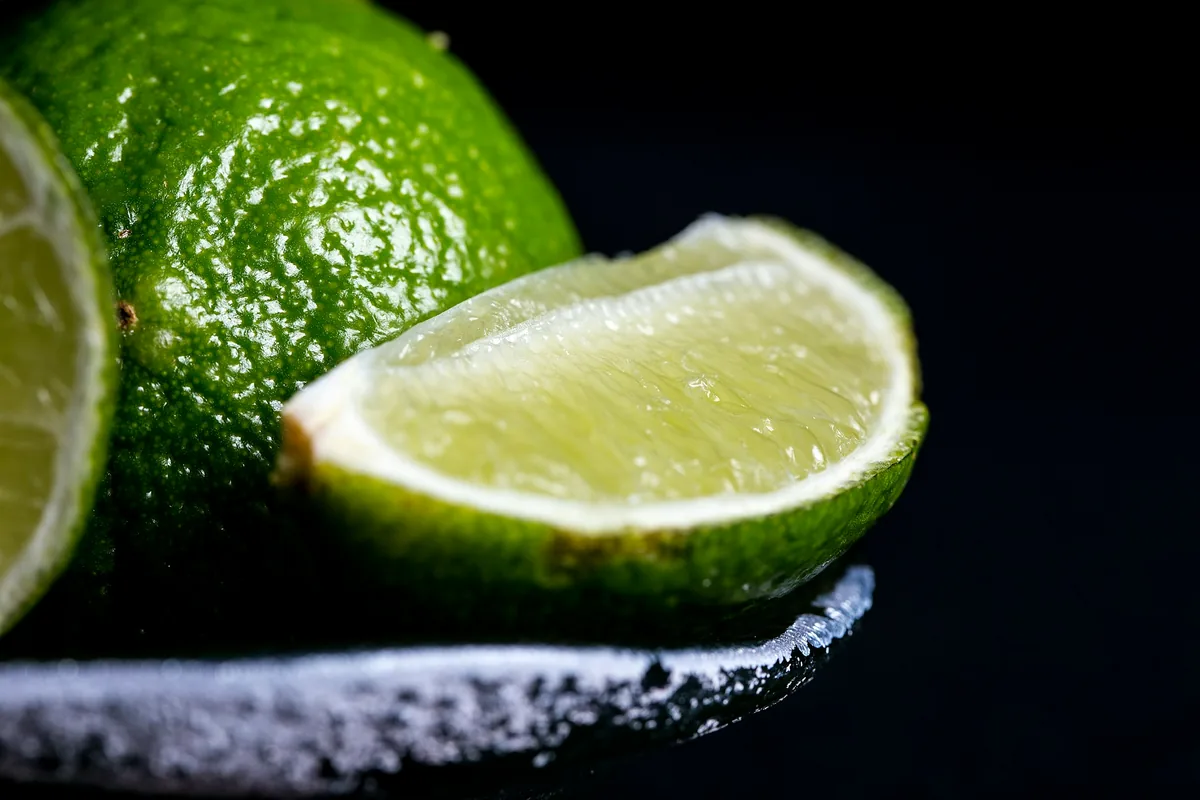
Bottled juice. The single commonest fault. Citrus starts losing its aromatics within an hour of squeezing, and pasteurised juice never had them. If a bar is not squeezing to order, order something stirred instead.
Wrong balance. Too sour is unpleasant but obvious. Too sweet is the more common failure and harder to spot, because sugar hides everything.
Under-shaken. A properly shaken sour is aerated, cloudy and cold enough to frost the glass. A lazy shake gives you a drink that tastes thin and separates as you watch.
What that looked like on a real list
Meyboom Brasserie’s archived cocktail list, captured in February 2023, was a sour list more than anything else. Of sixteen drinks, at least six were built on the template: a Whiskey Sour with egg, a Clover Club with raspberry and egg, a Strawberry Tom Collins, a French 75, a Lucky Lash with lemon and grapefruit, and a Ramos Gin Fizz.
That is not unusual, and it is worth noticing next time you read a menu. The sours are the drinks with a citrus in the ingredient list, and once you can see the pattern you can predict what a drink you have never heard of will taste like. The archived cocktail list is still on the site.
Frequently asked questions
What makes a cocktail a sour?
Spirit, citrus and sugar, shaken together. If those three are present in balance, it is a sour, whatever the drink is called.
What is the standard sour ratio?
Commonly 2 : 0.75 : 0.75 — spirit, citrus, syrup. Older recipes run sweeter and modern bars often run drier; adjust to the fruit.
Is a margarita a sour?
Yes. Tequila, lime, and orange liqueur playing the sweetener. The salted rim is a garnish, not a structural difference.
Why are sours shaken and martinis stirred?
Citrus, dairy and egg need emulsifying and aeration, which requires shaking. All-spirit drinks need only chilling and dilution, and shaking would cloud them.
Do I need egg white in a sour?
No. It changes texture rather than flavour. A whiskey sour without it is still a whiskey sour, just thinner and sharper.
Where to start
Order a daiquiri. It is the template at its most naked — rum, lime, sugar, nothing to hide behind — and it is the fastest way to find out whether a bar can actually make a drink.
Related: the Clover Club, the French 75 and the Ramos Gin Fizz.