
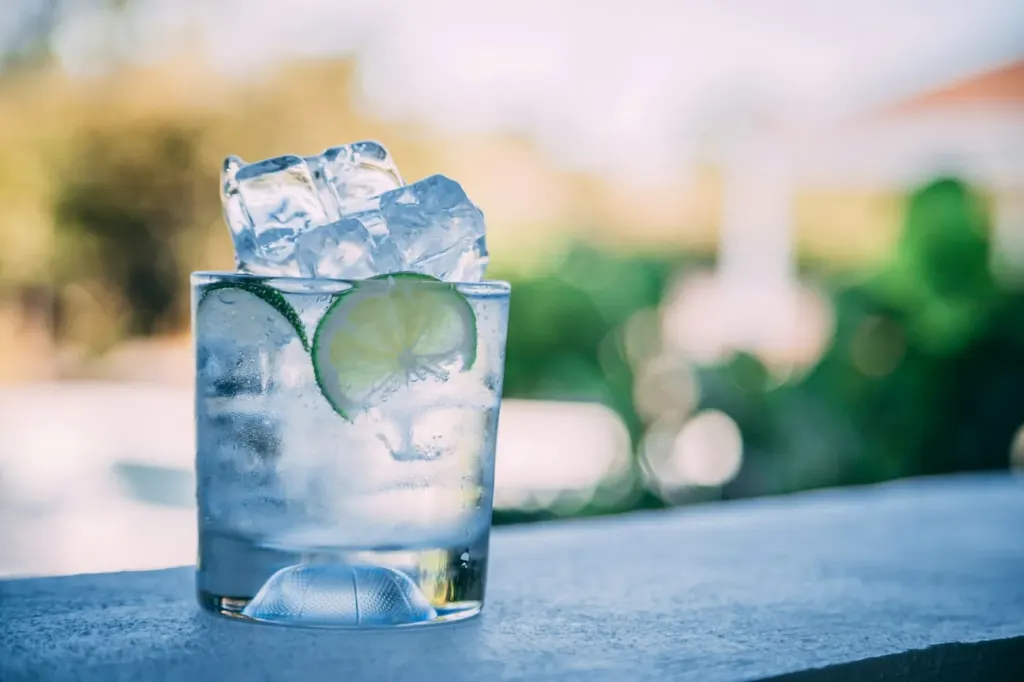
Two ingredients, no technique, nothing to hide behind. The highball is the most-ordered drink in almost every bar and the one nobody writes about, on the apparent grounds that there is nothing to say. There is quite a lot to say, and most of it is about ice.
The short answer
A highball is a spirit lengthened with a larger volume of a non-alcoholic mixer — usually something carbonated — served over ice in a tall glass. Two parts mixer to one of spirit is the traditional shape; three to one is common now. The gin and tonic, rum and coke, whisky and soda, mule and spritz are all highballs.
Where the name comes from
Nineteenth-century American railroading, probably. A “highball” was a signal to proceed at speed — a ball hoisted high on a trackside post — and the term attached to a quickly made tall drink. The etymology is not settled, but the usage is well established by the 1890s, when whisky and soda in a tall glass was the standard American order.
The important consequence is cultural rather than historical. The highball is the one cocktail family designed to be made fast, in volume, without measuring — which is exactly why bars treat it carelessly and why it is worth knowing how it should be built.
The three things that actually matter
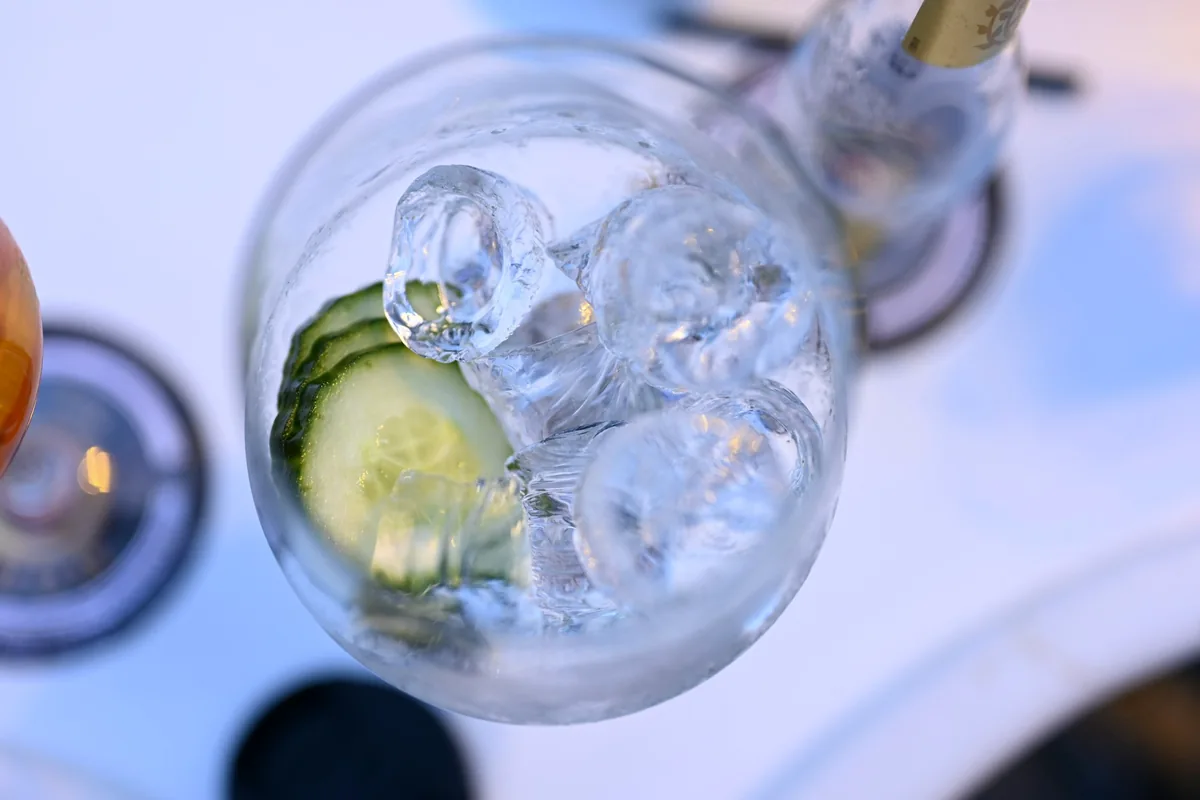
Ice, and lots of it. This is the counter-intuitive part. A glass packed to the brim with ice dilutes your drink less than a glass with three cubes, because a full glass of ice has less surface area exposed per unit of drink and keeps everything cold enough to slow melting. Three cubes in a tall glass melt fast and give you a warm, watery drink halfway down. Fill it.
The mixer is most of the drink. At two or three to one, the tonic or cola is the majority of what you are tasting. A cheap, flat, over-sweet mixer will ruin good gin far more thoroughly than cheap gin will ruin good tonic. Buy small bottles and open them fresh; a two-litre bottle opened yesterday is the commonest reason a home G&T disappoints.
Carbonation is fragile. Pour the mixer gently down the side or over a bar spoon, and do not stir vigorously afterwards — one slow lift with a spoon is enough to combine. Every bubble you knock out is one you paid for.
The family
| Drink | Spirit | Mixer | Garnish |
|---|---|---|---|
| Gin and tonic | Gin | Tonic water | Lime or lemon |
| Cuba Libre | Rum | Cola | Lime |
| Moscow mule | Vodka | Ginger beer | Lime |
| Whisky highball | Whisky | Soda water | Lemon peel |
| Aperol Spritz | Aperol and sparkling wine | Soda water | Orange |
| Greyhound | Vodka or gin | Grapefruit juice | Grapefruit |
Two observations. First, the highball is the only cocktail family whose members are usually named after their two ingredients rather than given a proper name — which is part of why they get treated as non-drinks. Second, several drinks people think of as complicated are highballs with a garnish: an Aperol Spritz is a highball with wine standing in for the spirit.
The mule, and the copper mug
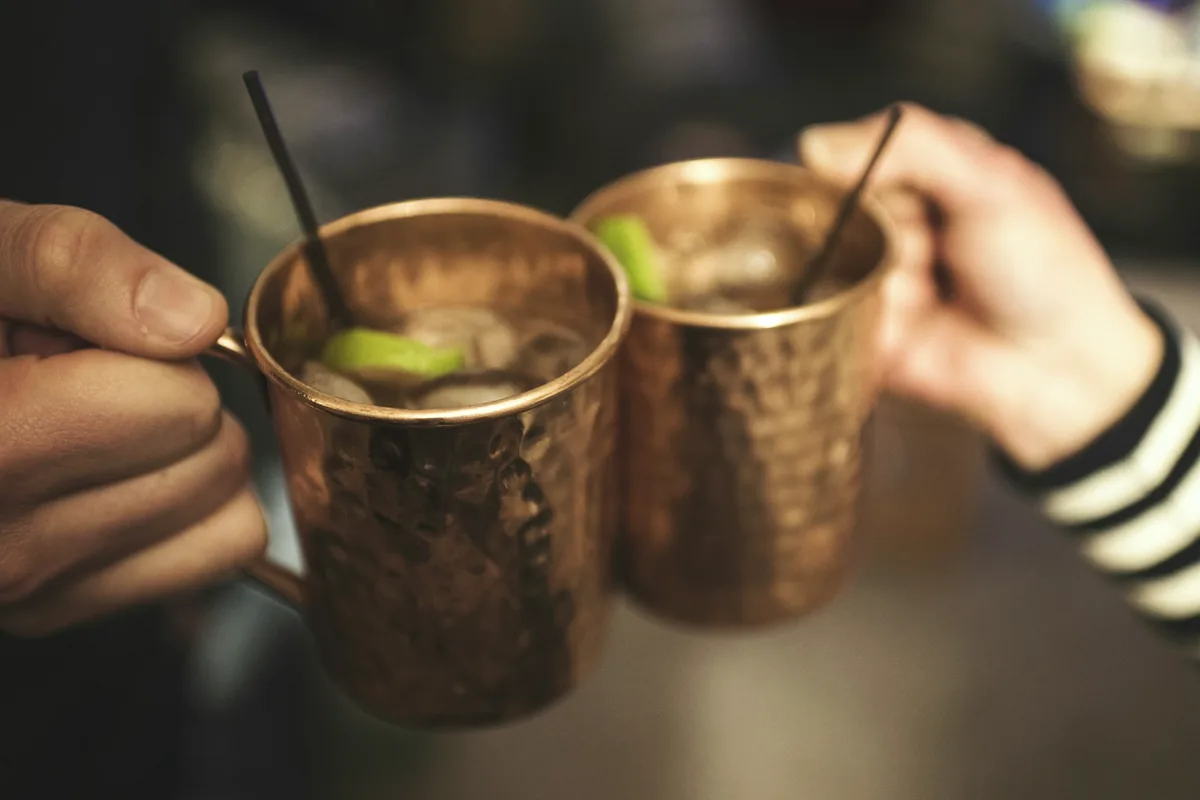
The mule is a highball with ginger beer, and it comes with the family’s one piece of genuine mythology attached: the copper mug.
The mug is marketing. It was a merchandising idea from the 1940s, when a vodka importer and a ginger beer maker joined forces to sell both, and a distinctive vessel made the drink recognisable on a bar. The story that copper “enhances the flavour” or keeps the drink colder has no basis — copper conducts heat well, which if anything means the mug warms to your hand faster than glass does.
None of which is an argument against it. It is pleasant to hold, it looks like something, and a drink that is instantly identifiable across a room has commercial value. Just do not expect it to taste different in a glass, because it will not.
Highball, or something else?
Two neighbours are easy to confuse.
A sour has citrus and sugar and is shaken. A highball has neither and is built in the glass. Squeeze lime into a rum and coke and you have not made a sour — the lime is a seasoning, not a structural acid.
A Collins is the overlap. Spirit, lemon, sugar and soda water: it is a sour that has been lengthened with carbonation. Bartenders file it under either family depending on temperament. The practical difference is that a Collins is shaken first and then topped, while a true highball is never shaken at all.
A long drink is not a weak drink
Worth stating plainly, because the format encourages the opposite assumption. A highball built on a standard measure of spirit contains the same alcohol as a spirit-forward cocktail of a third the volume; it just tastes of mixer. They go down faster than a stirred drink for exactly that reason, and a tall glass of something refreshing is easy to lose count of.
What that looked like on a real list
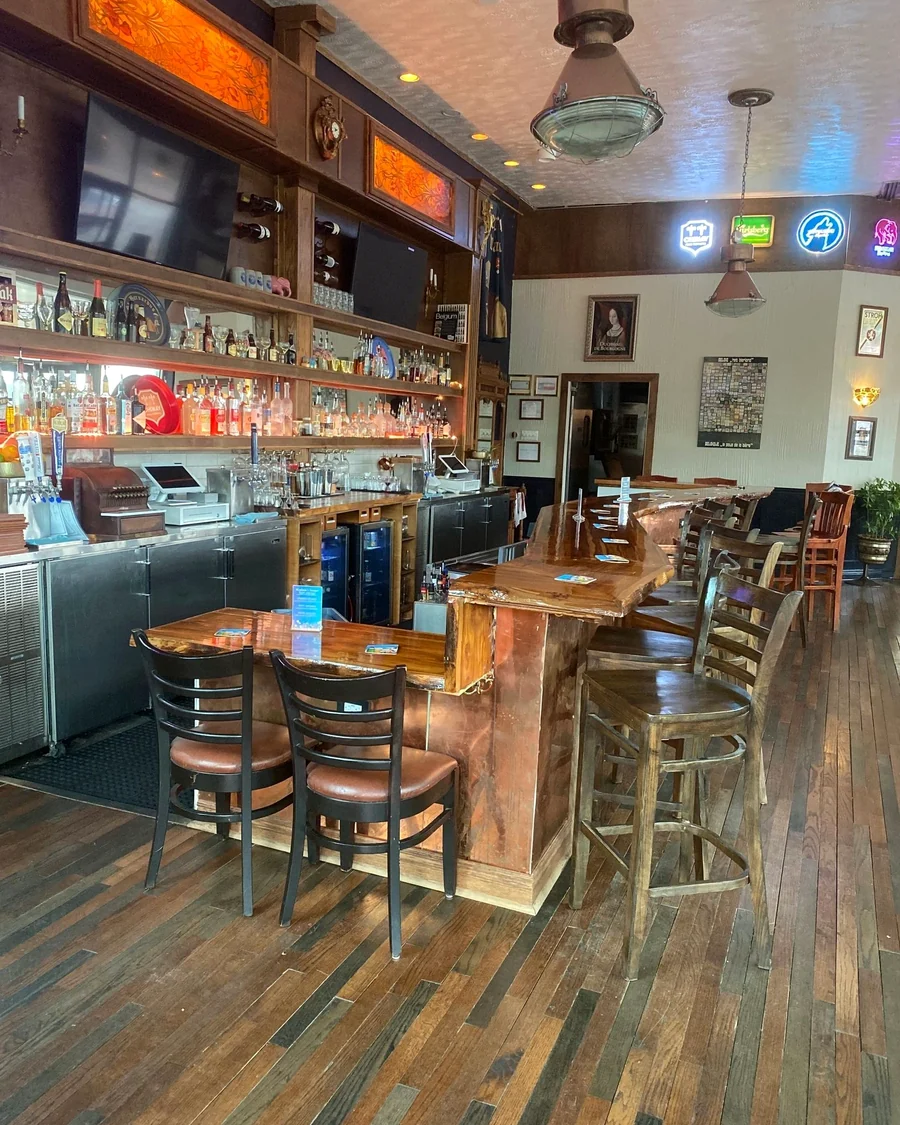
Meyboom Brasserie’s archived cocktail list, captured in February 2023, was about a third highballs. A Cuba Libre with Bacardi, cola and lime; a Warsaw’s Mule with Sobieski vodka, ginger beer and lime; an Aperol Spritz built on Freixenet cava and soda; and a Strawberry Mojito lengthened with soda.
The happy hour list added two more — a Ranch Water and a Grapefruit Greyhound — which is a fair reflection of what highballs are for. They are the drinks a bar sells when people want something long and cold, and the archived happy hour list and cocktail list both show it.
Frequently asked questions
What is the difference between a highball and a cocktail?
None — a highball is a category of cocktail. The word distinguishes long, built, spirit-and-mixer drinks from shaken or stirred ones.
What is the standard highball ratio?
Traditionally 1:2, spirit to mixer. Modern practice often runs 1:3, and a Japanese-style whisky highball can go further still.
Is a gin and tonic a highball?
Yes, and it is the archetype. So are a rum and coke, a vodka soda and a whisky and ginger.
Why fill the glass with ice?
Because more ice melts more slowly. A full glass stays cold and dilutes less; a few cubes melt quickly and water the drink down.
Should a highball be stirred?
Barely. One slow lift with a bar spoon to combine. Stirring hard drives off the carbonation that makes it a highball.
Where to start
Order a gin and tonic somewhere you can watch it being made. If the glass is filled with ice and the tonic comes from a small bottle opened in front of you, you are in a bar that pays attention.
Related: the Cuba Libre and the sour template.