
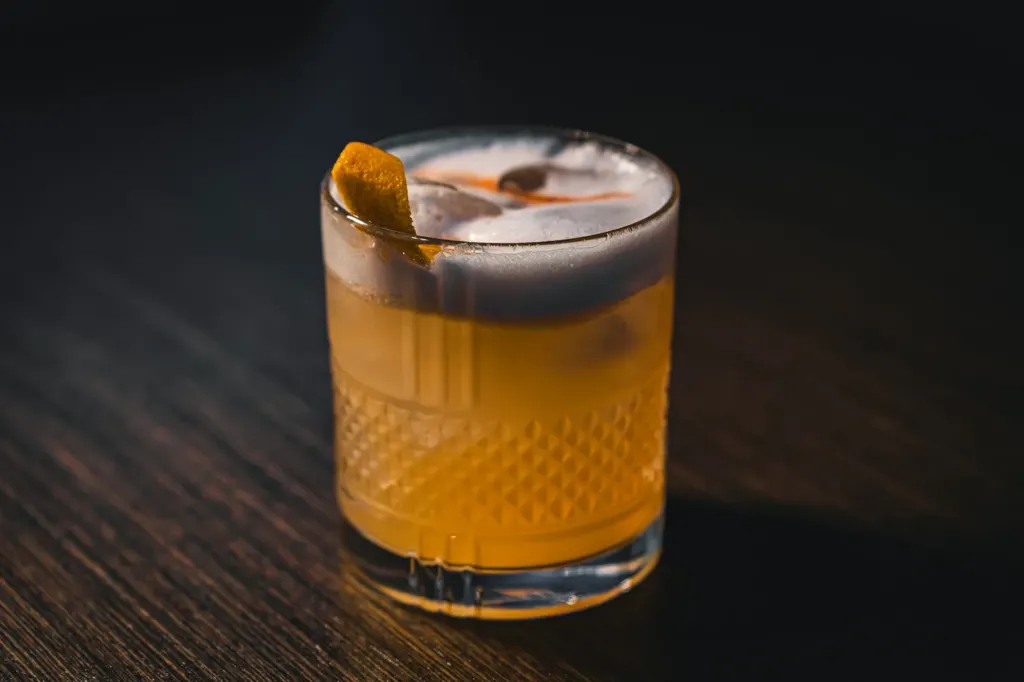
Read a cocktail list carefully and you will find egg in more drinks than you expected. A whiskey sour, a clover club, a ramos gin fizz, plenty of espresso martinis. It is not a garnish and it is not a thickener in the way people assume.
The short answer
Egg white is in a cocktail for texture and appearance, not flavour. Its proteins trap air during shaking and set into a dense, stable foam, which gives the drink a silky body and the pale cap on top. It also softens the edge of citrus and spirit, so a sharp sour tastes rounder without being any sweeter.
A well-made egg white cocktail should not taste of egg at all. If it does, something has gone wrong.
What it is actually doing
Foam
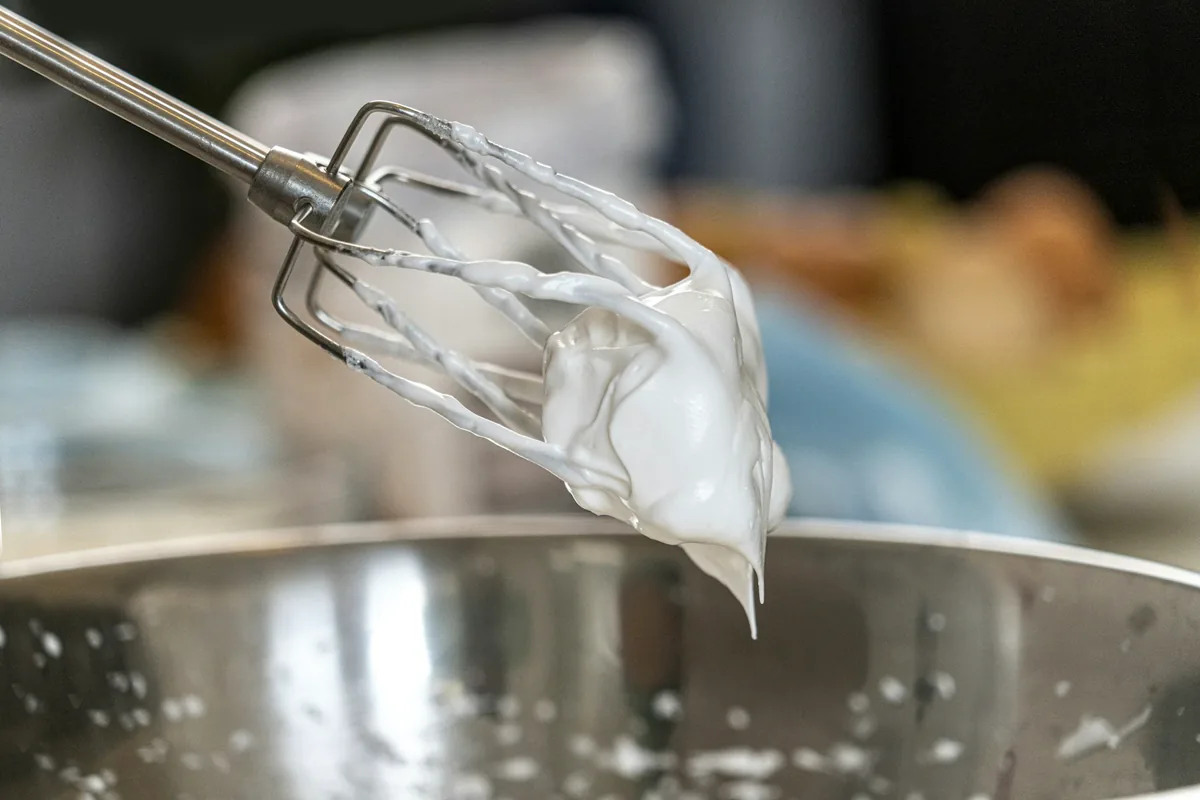
Egg white is mostly water and protein. Agitate it and those proteins unfold and link up around air bubbles, holding them in a stable structure — the same chemistry as a meringue, stopped much earlier. In a glass that becomes a firm head one or two centimetres deep that lasts for the length of the drink.
Body
The same proteins thicken the liquid underneath. A sour without egg is bright and thin; with egg it coats the mouth slightly and the alcohol reads softer. Nothing has been added in sweetness terms, but the drink feels rounder.
A canvas
The practical bonus: a firm foam holds a few drops of bitters on the surface, which is why angostura patterns turn up on top of sours and pisco sours in the first place.
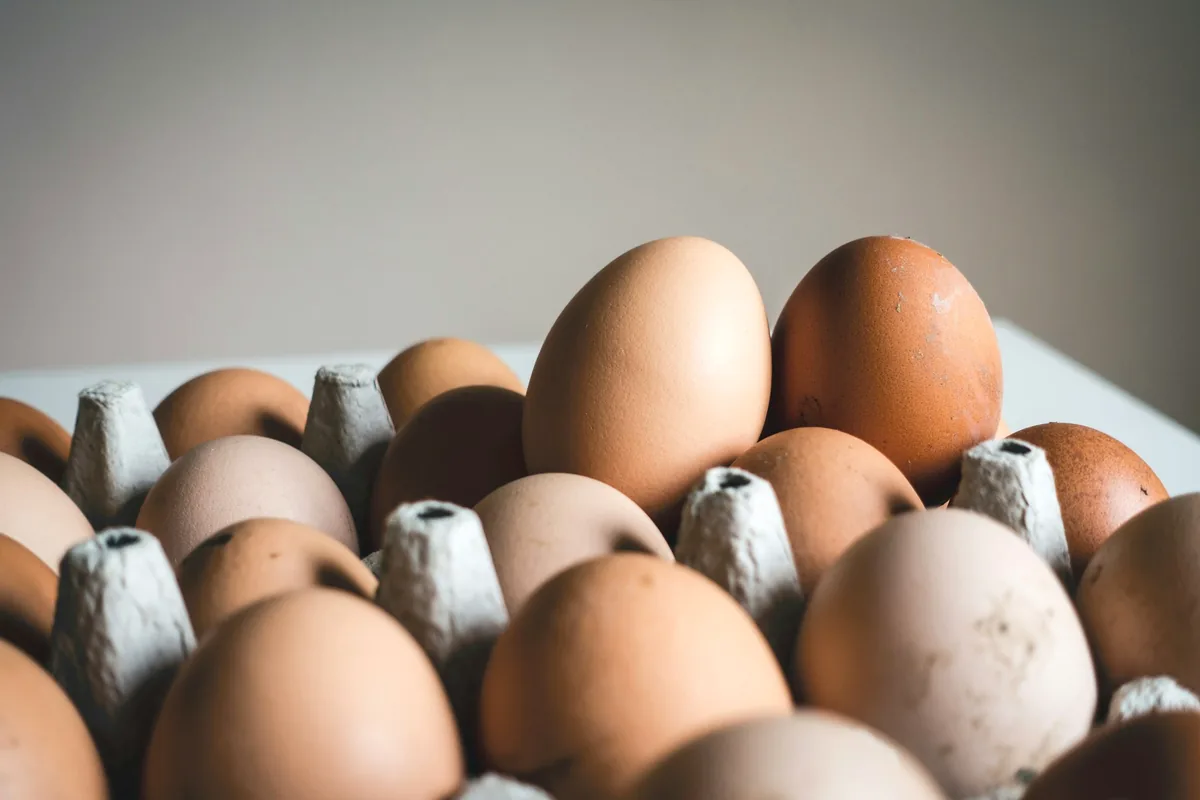
The dry shake, and why bartenders do it twice
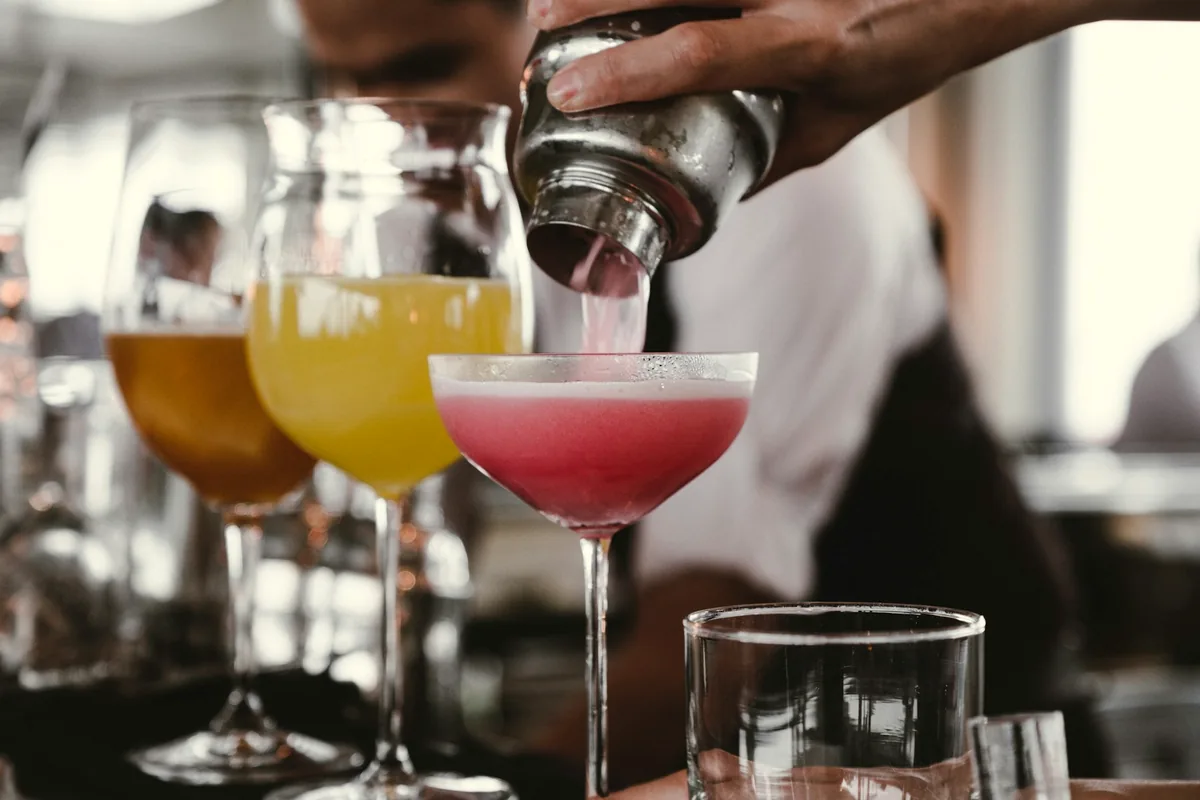
Shaking egg white with ice does not work well — the ice chills the mixture before the proteins have had a chance to unfold, and dilution works against the foam. So the drink is shaken twice.
- Dry shake. Everything except ice, shaken hard for ten to twenty seconds. This is where the foam is built.
- Wet shake. Add ice and shake again, briefly, to chill and dilute.
- Fine strain. Into a chilled glass, so no ice shards break the surface.
- Let it settle. Thirty seconds and the foam separates cleanly from the liquid.
Some bartenders reverse it — wet shake first, strain, then dry shake the strained liquid — which produces a denser head. Difford’s Guide’s reference on using eggs in cocktails covers both methods and the arguments for each.
Is raw egg white safe?
This deserves a straight answer rather than a shrug.
Raw and undercooked eggs carry a risk of Salmonella. The risk from a single fresh egg white is low but it is not zero, and the FDA’s egg safety guidance is the place to read the detail.
Two things follow from it:
- Pasteurised eggs remove most of the concern. They are heat-treated in the shell and behave identically in a shaker. Many bars use them by default, and cartons of pasteurised egg white are widely sold.
- Some people should avoid raw egg entirely. Anyone pregnant, very young, elderly, or with a weakened immune system. If that applies to you, ask — or order something else. A bar that takes its cocktails seriously will not mind the question.
Anyone with an egg allergy should treat these drinks as off-limits, and should say so rather than assume the foam is something else.
What to use instead
| Option | Foam quality | Flavour impact | Notes |
|---|---|---|---|
| Fresh egg white | Best | Negligible | Small but real salmonella risk; not for everyone |
| Pasteurised egg white | Very good | Negligible | Heat-treated in shell or sold in cartons; the usual bar choice |
| Aquafaba | Very good | Negligible in a finished drink | Chickpea tin liquid; vegan and allergy-safe |
| Commercial foamer | Good and consistent | Varies by product | Shelf-stable; check the label for allergens |
| Nothing | None | Sharper, thinner | Still a perfectly good drink, just a different one |
Aquafaba — the liquid from a tin of chickpeas — is the substitute that actually works, and it works surprisingly well. The proteins and starches behave much like egg white in a shaker. Use roughly the same volume, shake slightly longer, and rinse the tin’s liquid of nothing: it will not taste of chickpeas in a finished drink.
The four on a real list
Meyboom Brasserie’s cocktail list is a good illustration of how common this is, because four of its drinks used egg and none of them advertised the fact beyond the ingredient line.
- Clover Club — raspberry, lemon, egg. Worth noting the classic is built on gin; Meyboom’s version used vodka.
- Whiskey Sour — bourbon, lemon, simple syrup, egg. The textbook case.
- Espresso Martini — vodka, coffee liqueur, espresso, egg. Voted best in Dallas by the Dallas Observer, per the archived press page.
- Ramos Gin Fizz — gin, lime, cream, egg, soda. The most demanding drink on any list; the traditional version calls for a shake measured in minutes.
The full list as last published is on the archived cocktail menu.
Frequently asked questions
Does egg white make a cocktail taste eggy?
It should not. Egg white has very little flavour of its own. A drink that tastes of egg usually means a stale egg, too much of it, or a shake that was too short to break the protein down.
Why do bartenders put bitters on top of the foam?
Because the aroma reaches you before the drink does. A firm foam holds the drops on the surface, right under your nose as you lift the glass, which is far more effective than stirring them in.
What is a dry shake?
Shaking the ingredients without ice first, to build the foam, before adding ice and shaking again to chill. Chilling too early stops the foam forming properly.
Can you use egg white from a carton?
Yes, and pasteurised carton whites are what many bars use. They foam nearly as well as fresh and remove most of the safety concern.
What can I use instead of egg white?
Aquafaba is the best substitute and behaves almost identically. Commercial foaming agents work too. Cream changes the drink into something else, and a plain omission simply gives you a thinner, sharper version.
How much egg white goes in a cocktail?
Roughly half an egg white per drink, or about 15ml. More does not improve the foam and starts to dull the flavour.
Worth knowing
If you have never tried the same sour with and without, do it once. The ingredients are identical and the two drinks are not, which is the clearest demonstration of what texture does in a glass.
For where these drinks sit in the shape of a meal, see aperitif vs digestif. And for what it means when a bar says its pairings were built by a certified professional, what is a Cicerone.