If a menu tells you the beer and cheese pairing was put together by the in-house Cicerone, that is a specific claim rather than a flourish. It is worth knowing what it means, because the word is doing more work than most restaurant vocabulary.
The short answer
A Cicerone is someone who has passed a formal certification in beer knowledge and service — effectively the beer world’s answer to the wine sommelier. The examinations cover beer styles, brewing, ingredients, storage, draught systems, glassware, service faults, off-flavours and food pairing.
The word is a registered trademark. Only people who have passed the exams may use it, which is the main practical difference between a Cicerone and a self-declared “beer sommelier”.
What the certification actually tests
The common assumption is that it is a tasting qualification. Tasting is part of it, but a surprising amount of the syllabus is plumbing and housekeeping.
Beer styles and ingredients
The obvious part: what distinguishes a dubbel from a tripel, what hops and malt contribute, how yeast drives flavour, and where the major brewing traditions come from.
Draught systems
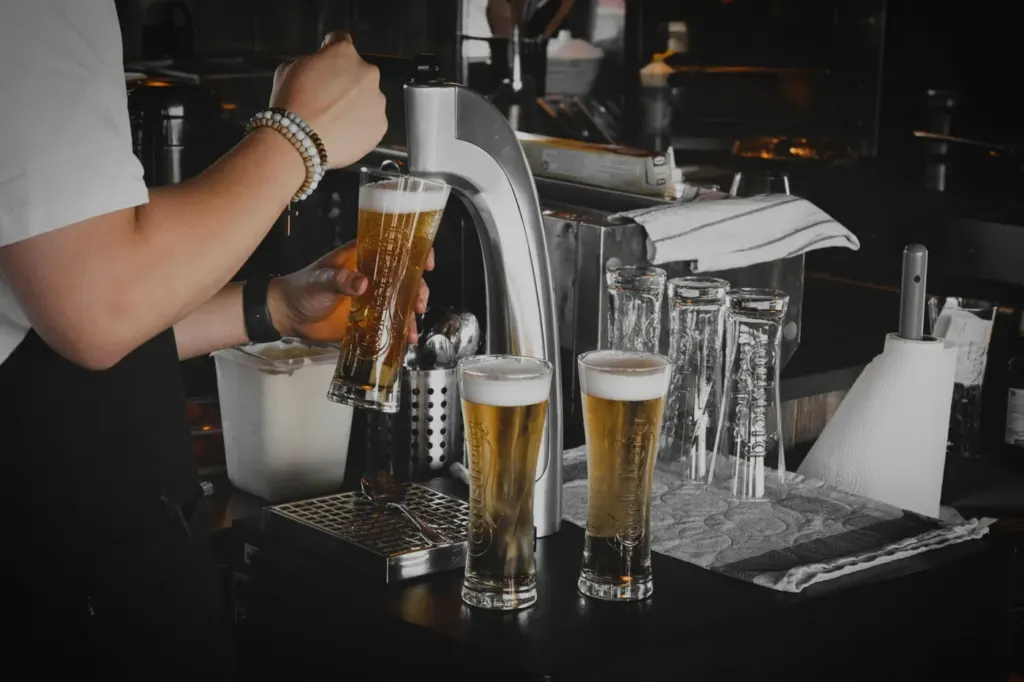
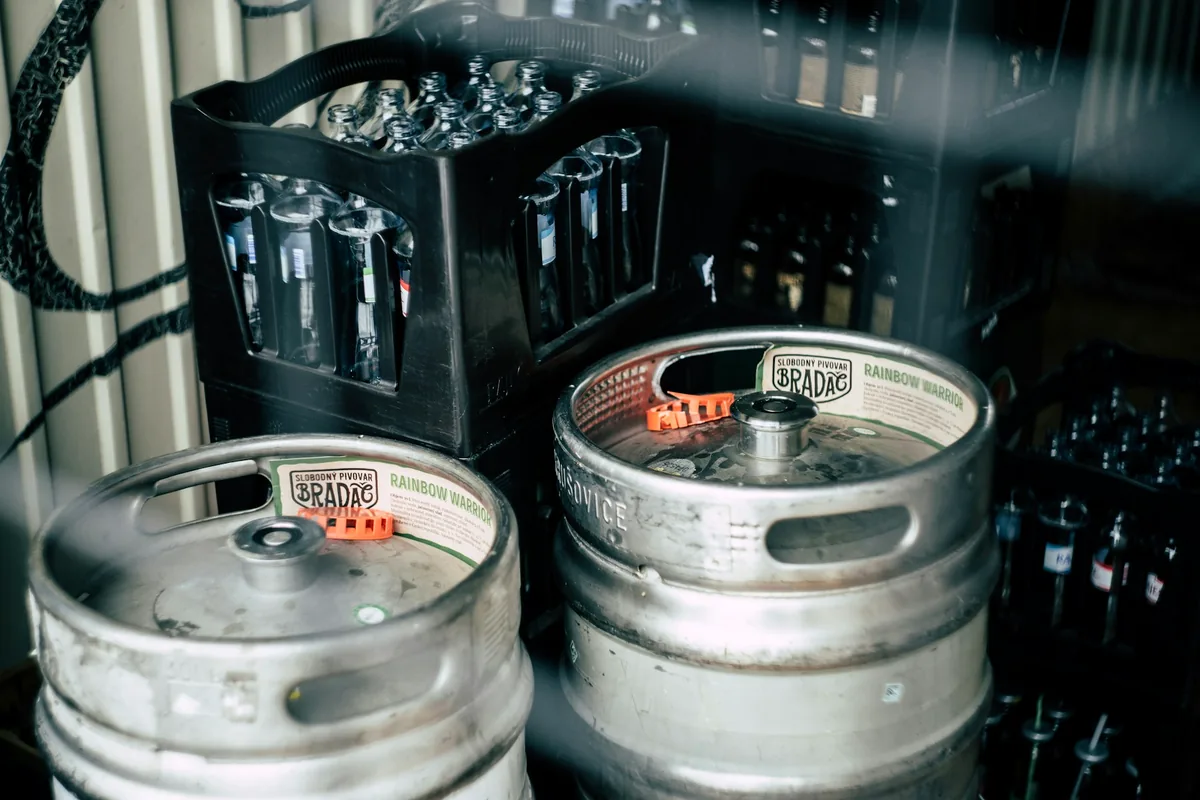
The unglamorous and arguably most important part. Line length, gas blends, applied pressure, balance, and cleaning schedules. A dirty line will ruin a beer more thoroughly than almost anything a brewer can get wrong, and diagnosing that is a technical skill.
Off-flavours
Candidates are trained to identify specific faults by taste and smell — the buttery note of diacetyl, the papery staleness of oxidation, the skunky character of light-struck beer, and so on. This is the part that most resembles a wine sommelier’s blind tasting, and it is the part most people fail.
Service and glassware
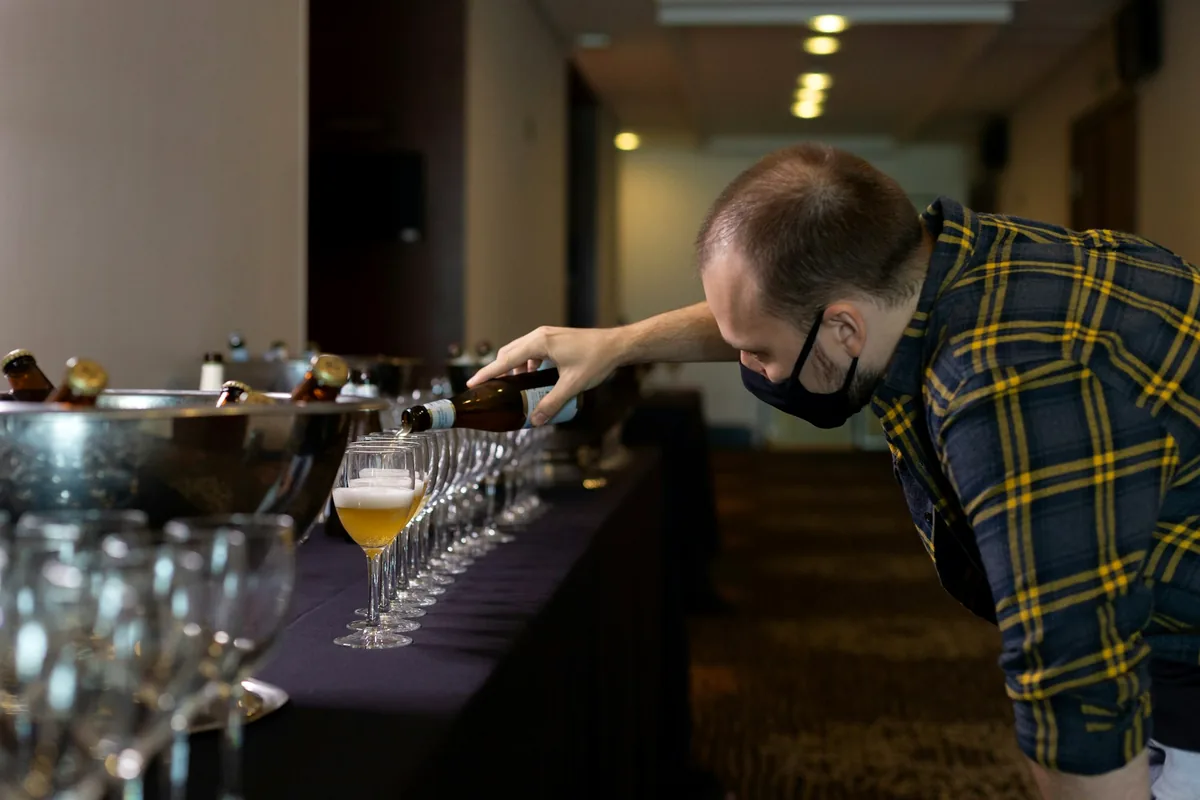
Pour technique, correct glass for the style, serving temperature, and what a “beer-clean” glass means — a glass with any residue will kill a head instantly, which is why bars that care wash beer glasses separately.
Food pairing
Matching intensity, using carbonation against fat, and knowing when a beer will fight a dish. The Cicerone Certification Program publishes the syllabus for each level, and pairing appears from early on.
Cicerone and sommelier compared
| Cicerone | Sommelier | |
|---|---|---|
| Drink | Beer | Wine |
| Title protected | Yes — a registered trademark | No — the word is generic |
| Core knowledge | Styles, brewing, ingredients, history | Regions, grapes, vintages, producers |
| Technical focus | Draught systems, line cleaning, glassware | Storage, decanting, cellaring |
| Tasting exam | Identify styles and off-flavours | Blind identification of wines |
| Where the work happens | Buying, storage, staff training, menu design | Buying, cellaring, table service |
The comparison is useful but imperfect. A sommelier works largely with a fixed product — the wine arrives in the bottle as it will be drunk. A Cicerone spends a great deal of time on what happens to beer *after* it reaches the venue, because draught beer is a perishable product served through equipment that the venue owns and maintains.
Why the trademark matters
“Beer sommelier” is an ordinary phrase that anyone can use. “Cicerone” is not — it belongs to the certification programme, and using it without having passed is a trademark issue rather than merely a fib.
For a drinker this is genuinely useful. It means the word on a menu carries verifiable information, in a way that most hospitality vocabulary does not. A bar that has trained and certified someone has spent real money and time on beer service, and it usually shows in the details: correct glassware, sensible serving temperatures, clean lines, and a list organised by style rather than by brand.
A trade explainer from Canadian Food Focus puts the day-to-day role well: much of the work is buying, storage, staff training and menu design rather than standing at a table.
The levels, roughly
The certification runs in tiers, and the gap between them is much wider than the names suggest.
- Certified Beer Server. An online exam covering storage, service and basic styles. Common among bar staff at venues that care.
- Certified Cicerone. A full day of written, tasting and demonstration components. This is the level most people mean by the word.
- Advanced, then Master. Multi-day examinations with famously low pass rates. Master Cicerones number in the low dozens worldwide.
What it looks like on a menu
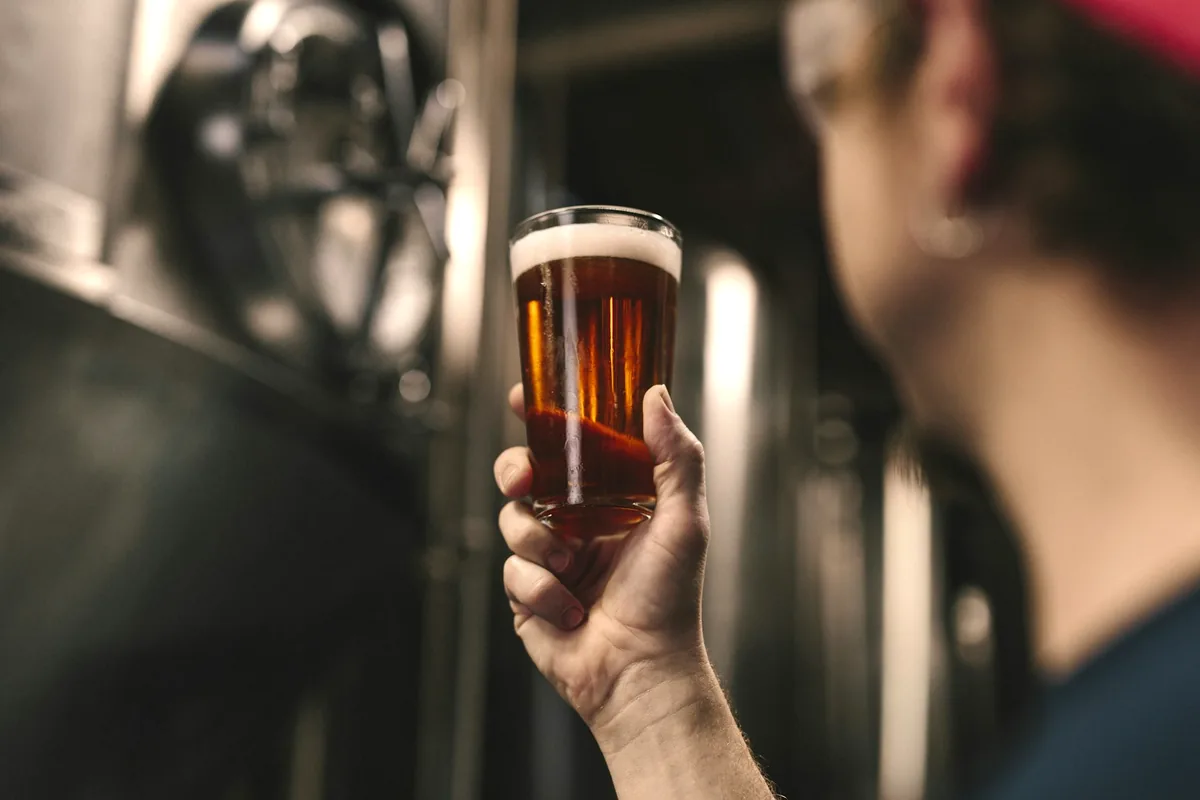
Meyboom Brasserie’s beer list is a concrete example. Alongside a four-pour draught flight, it offered a Trappist beer and cheese pairing — four Trappist beers matched to four cheeses — with the menu noting it was paired by the in-house Cicerone.
That line is doing two things. It is telling you the matches were chosen deliberately rather than assembled from whatever was open, and it is quietly explaining why the beer list runs to Westmalle, Chimay, Orval, Rochefort and La Trappe rather than stopping at the familiar names.
Frequently asked questions
Is a Cicerone the same as a beer sommelier?
Roughly the same role, but not the same claim. “Beer sommelier” is an unprotected description that anyone may use. “Cicerone” is a trademarked title restricted to people who have passed the certification exams.
How many levels of Cicerone certification are there?
Several, running from an entry-level server certification up to a small number of Master Cicerones worldwide. The higher levels involve written, tasting and demonstration components, and the pass rates at the top are very low.
Why is it called a Cicerone?
The word is an old term for a knowledgeable guide who shows visitors around and explains what they are looking at. It was adopted for the beer certification in that sense — a guide to the list rather than a gatekeeper.
Do you need to be a Cicerone to work with beer?
No. It is a voluntary professional certification, not a licence. Plenty of excellent beer bars have no certified staff, and the qualification is most common where a venue treats its beer list as a serious part of the offer.
What is a beer-clean glass?
A glass with no residue of grease, detergent or old beer. Any film kills the head and clings as bubbles on the inside wall. It is one of the first things the certification covers because it is one of the most commonly got wrong.
Worth knowing
The next time a bar hands you a beer in a specific branded glass at a temperature that is clearly deliberate, that is the syllabus showing. It is a low-key signal that somebody there has thought about it.
For the pairing side of the job, see how to pair Belgian beer with cheese; for the glassware side, why Belgian beer comes in its own glass. The list Meyboom built is on the archived beer menu.