
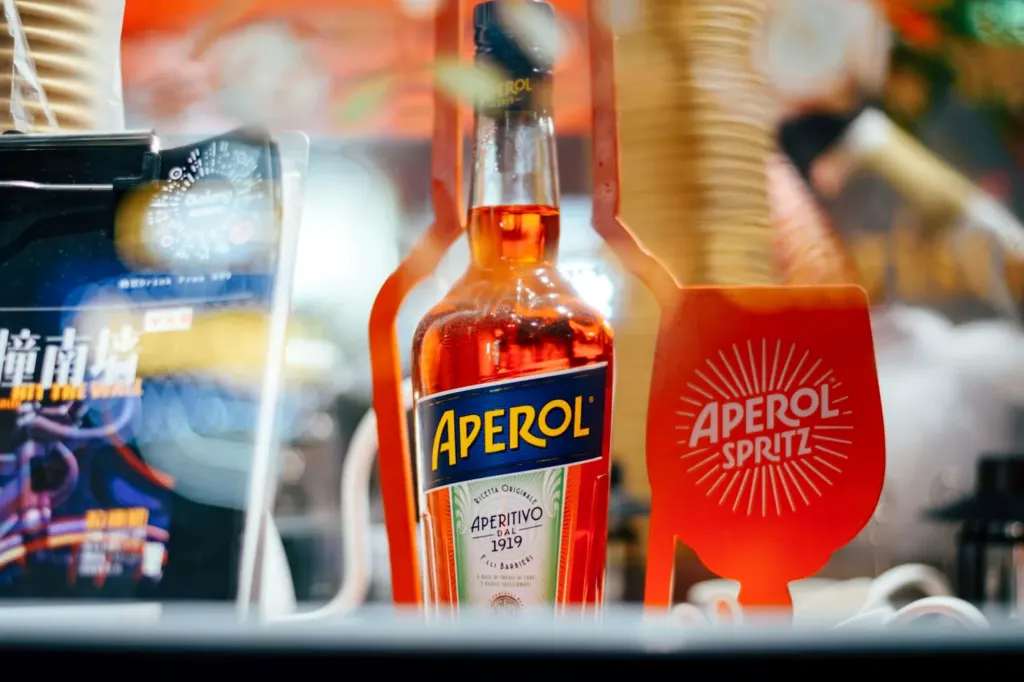
A good drinks list has a shape, and the shape follows the meal. Some drinks belong at the start and some at the end, and the difference is not just when you happen to order them.
The short answer
An aperitif is drunk before eating. It is light, dry, usually bitter or citrusy, low in alcohol, and served cold and long — Aperol spritz, dry vermouth, champagne, a crisp beer.
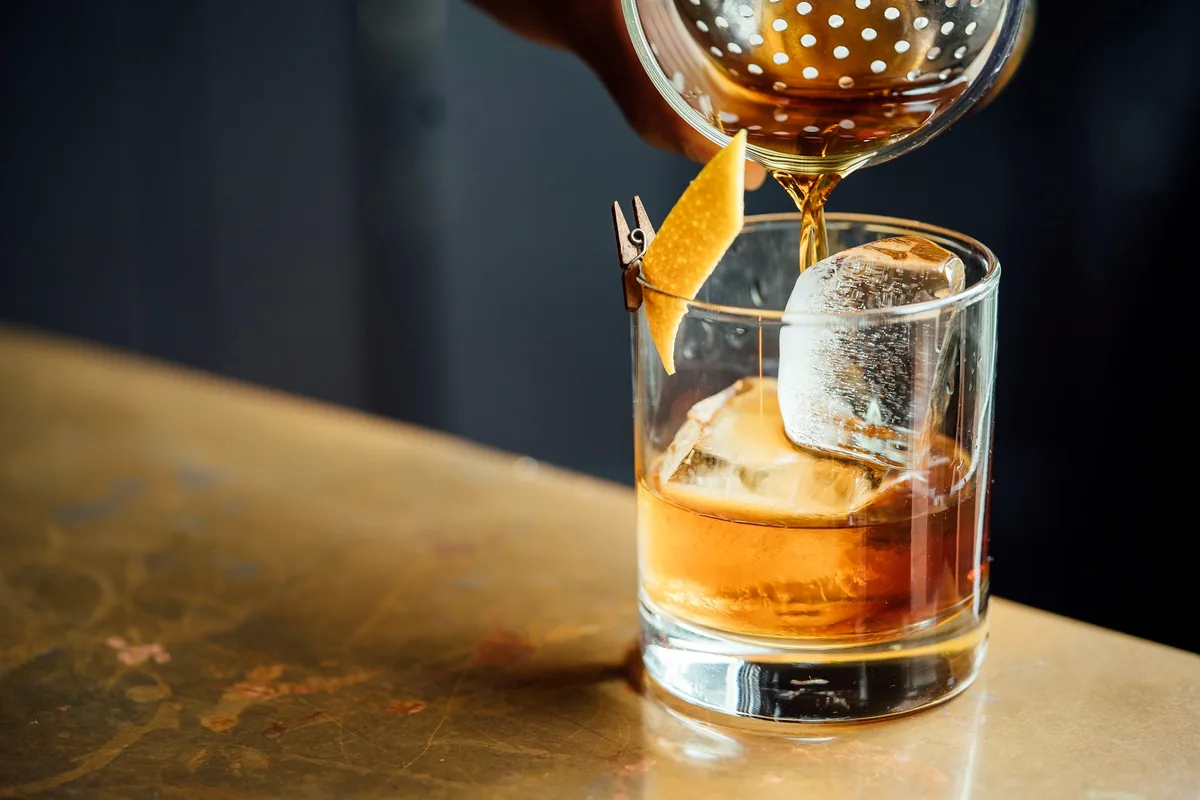
A digestif is drunk after. It is stronger, often sweeter or more herbal, served at room temperature in a small measure — cognac, amaro, grappa, a whisky.
Low and cold at the start; strong and small at the end.
What an aperitif is trying to do
The traditional purpose is to sharpen the appetite, and the flavour profile follows from it. Bitterness and acidity both make the mouth water, which is why the classic aperitifs are bitter (Campari, Aperol), herbal-dry (vermouth) or acidic (dry sparkling wine).
The other half of the design is restraint. An aperitif is deliberately low in alcohol, because its job is to precede a meal rather than replace it. A spritz is mostly soda and prosecco for exactly that reason.
The French food body Taste France frames the pair as bookends, which is the useful way to think about it: they are the same tradition seen from either end of the table.
What a digestif is trying to do
Here we should be careful, because this is where most articles repeat something that is not well supported.
The tradition holds that bitter herbal spirits settle the stomach after a heavy meal. That belief is very old and very widespread, and the evidence for it is thin. Alcohol slows gastric emptying rather than speeding it, so the physiological case for a digestif aiding digestion is weak at best. Treat it as a custom, not as medicine.
What a digestif genuinely does is mark the end of a meal. It is small, strong and slow — a drink you sit with rather than drink. That is a real function, just a social one.
Side by side
| Aperitif | Digestif | |
|---|---|---|
| When | Before the meal | After the meal |
| Purpose | Sharpen the appetite | Close the meal |
| Flavour | Bitter, dry, citrusy | Sweet, herbal or spirit-forward |
| Strength | Low – often under 15% ABV | High – often 35-45% ABV |
| Serve | Cold, long, over ice | Room temperature, small measure |
| Classic examples | Aperol spritz, vermouth, champagne, dry beer | Cognac, amaro, grappa, whisky |
| Belgian equivalent | Witbier or a blonde | A quadrupel or Trappist dark ale |
Both traditions began as medicine
The reason the digestion claim is so persistent is that these drinks were originally sold as remedies, and the marketing outlasted the pretence.
Most of the bitter liqueurs at both ends of the meal started as herbal preparations — roots, barks, citrus peel and gentian macerated in alcohol, made by monasteries and apothecaries and sold for whatever ailed you. Alcohol was the solvent that made a herbal extract keep, so almost every European herbal medicine ended up as a strong drink.
Vermouth is the clearest line. It is aromatised, fortified wine, and its name comes from Wermut, German for wormwood — the bitter herb it was originally built around and which was used medicinally for centuries. When commercial vermouth production took off in Turin in the eighteenth century, the health framing came with it.
By the nineteenth century the ritual had detached from the remedy: the bitter drink before dinner and the herbal one after were social conventions with a medical accent. That accent is what survives in the word digestif, and it is why bottles still carry monastic imagery and lists of botanicals nobody can identify.
The Belgian version
Almost everything written about aperitifs and digestifs is French or Italian. Belgium runs the same structure with different equipment.
The aperitif is frequently a beer, and a specific kind: something pale, dry and moderate — a witbier, a blonde, a pilsner. Cold, refreshing, and not strong enough to spoil what follows. A witbier is close to a perfect aperitif by the criteria above: light, citrus-led, low in bitterness, served properly cold.
At the other end, Belgium reaches for a strong dark ale rather than a spirit. A quadrupel or a Trappist dark ale at 10% ABV, in a small chalice, does the digestif’s job — rich, warming, sipped slowly. That is why abbey ales appear on cheese boards rather than alongside starters.
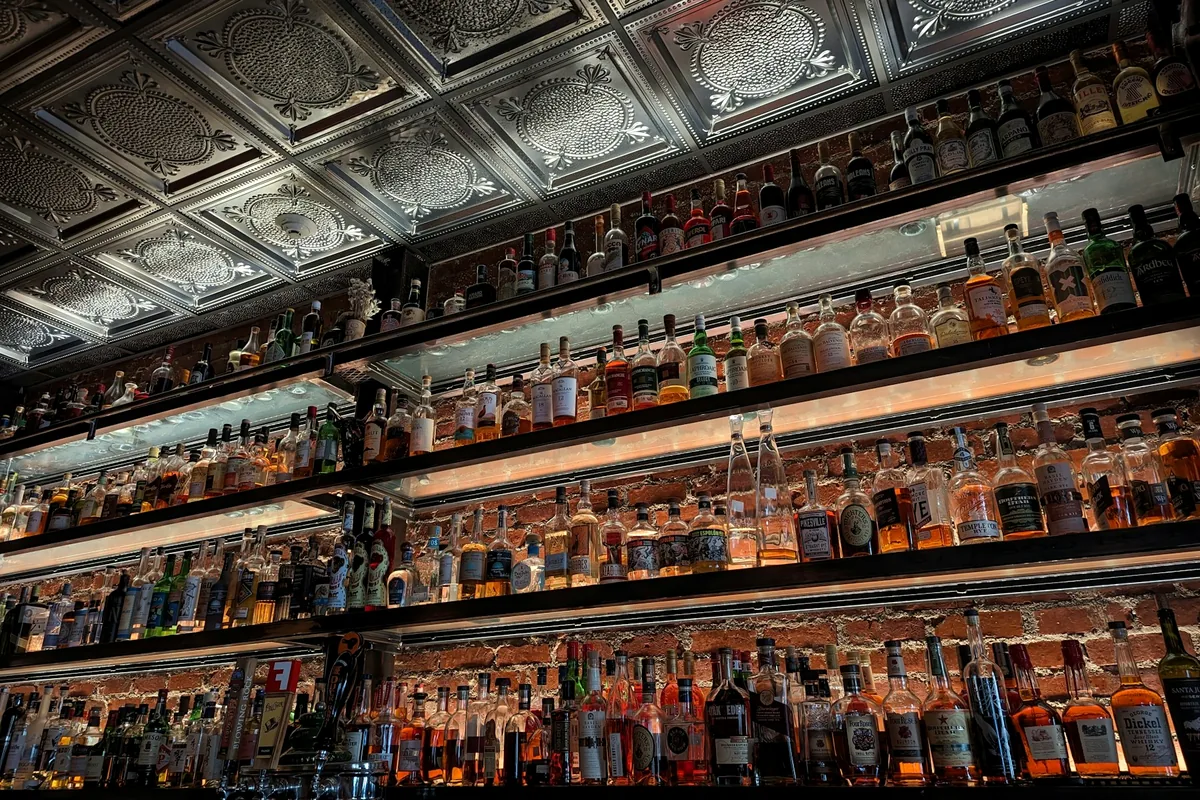
Meyboom’s cocktail list ran the conventional shape too: an Aperol Spritz and a French 75 at the aperitif end, an Old Fashioned and a Sazerac at the other. Both ends of the archived cocktail menu are still readable.
How to actually use this
- Ordering first: pick something bitter or sparkling and under about 12% ABV. Avoid anything creamy or sweet — it dulls the appetite rather than sharpening it.
- Ordering last: pick something small and strong, and expect to spend twenty minutes with it. A digestif drunk quickly is a waste of a digestif.
- If you only want one drink all evening: have it with the food rather than at either end. The bookend logic assumes a long meal.
- Skip the folklore. Order the amaro because you like amaro.
Frequently asked questions
Can a beer be an aperitif?
Yes, and in Belgium and Germany it routinely is. A dry, pale, moderate beer fits the aperitif brief exactly — light, cold and appetite-sharpening.
Does a digestif actually help digestion?
The evidence is weak. Alcohol tends to slow gastric emptying rather than speed it, so the traditional claim does not hold up well. It is a pleasant custom rather than a remedy.
Is a cocktail an aperitif or a digestif?
Depends on the cocktail. Spritzes, highballs and low-alcohol sours sit at the aperitif end; spirit-forward drinks like an Old Fashioned or a Sazerac sit at the other.
What is the difference between an aperitif and an apéritif?
Only the accent. Apéritif is the French spelling; both refer to the same thing, from the Latin aperire, to open.
Should a digestif be served cold?
Generally not. Room temperature lets the aromatics show. Chilling a good cognac or amaro closes it down, though a few — limoncello especially — are meant to be served cold.
The short version
Light and bitter before, strong and slow after. It is a structure worth knowing because it makes a drinks list legible — once you can see which end a drink belongs to, ordering gets much easier.
For the technique behind several of the drinks at both ends, see why cocktails have egg white in them. For the Belgian version of the after-dinner drink, Belgian beer styles explained covers the quadrupel end of the range.