
Rodenbach Grand Cru. Chimay Grande Réserve. Somewhere on a shelf near them, a Vintage Ale and a Brewer’s Reserve. All four borrow the vocabulary of wine, and on wine every one of those words is defined by law. On beer, not one of them is.
The short answer
Grand cru, réserve, cuvée and vintage are legally defined for wine in their countries of origin. Applied to beer they are entirely unregulated marketing terms. In practice a beer labelled Grand Cru is usually a stronger, more matured, more limited version of something the brewery already makes — but nothing obliges it to be, and nothing verifies it.
What the words mean on wine
Cru is French for “growth” and refers to a vineyard site. In Burgundy, grand cru is the top rung of a four-tier classification of specific plots, established and legally enforced. In Champagne it is a village-level rating. In Bordeaux it belongs to a different classification again. In all of them it is a statement about place, verified by an appellation authority.
Réserve is looser but still defined in several jurisdictions, generally implying wine held back and aged, or older reserve wine blended in. Cuvée means a blend or a specific vat. Vintage means the grapes came from a single named year.
The common thread is that somebody checks.
What they mean on beer
Nobody checks. There is no beer appellation system, no classification of brewing sites, and no authority to which a brewer must justify the word. The Oxford Companion to Beer is direct about it: the term is well defined for vineyards and unregulated for anything else.
Which does not mean it is meaningless in practice. Conventions have grown up, and they are reasonably consistent:
- Grand Cru — the brewery’s biggest or best version of something. Usually stronger than the standard beer, often with longer maturation, frequently a limited or seasonal release.
- Réserve / Reserve — much the same idea, sometimes implying extra ageing.
- Vintage — a beer released in dated annual batches, which for a strong bottle-conditioned beer is genuinely informative. See which beers are worth cellaring.
- Cuvée — usually signals a blend, which for a Belgian sour is a real statement about how it was made.
Read them as a brewery telling you where a beer sits in its own range. That is useful. Read them as a grading against other breweries and you have been sold something.
What is actually regulated
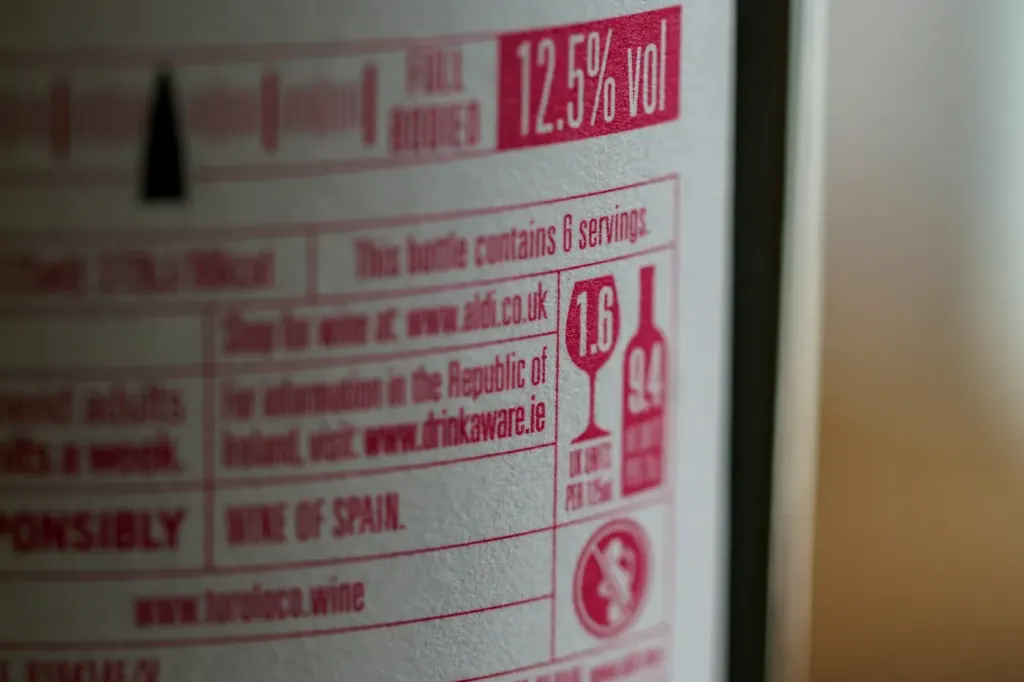
The parts of a beer label that must be true are the parts nobody reads.
| On the label | Regulated? | What it actually tells you |
|---|---|---|
| Alcoholic strength | Yes | A verified figure, within a legal tolerance |
| Volume | Yes | The contents, verified |
| Allergens | Yes | Barley, wheat and sulphites where present |
| Trappist logo | Yes | Certified by the International Trappist Association |
| Grand Cru | No | The brewery’s own view of its range |
| Reserve | No | Usually longer ageing, sometimes nothing |
| Vintage | No | Usually a dated annual batch |
| Craft | No | Nothing at all in most markets |
Everything else on the front — the name, the imagery, the claims about tradition, the word “craft” — is marketing, and in most markets is constrained only by general rules against misleading consumers.
There is one genuine exception worth knowing, and it is not a wine word: the hexagonal Authentic Trappist Product logo, which certifies who brewed the beer and where the profits go, and which can be lost. That is covered in which breweries are actually Trappist.
The cork is not a promise either
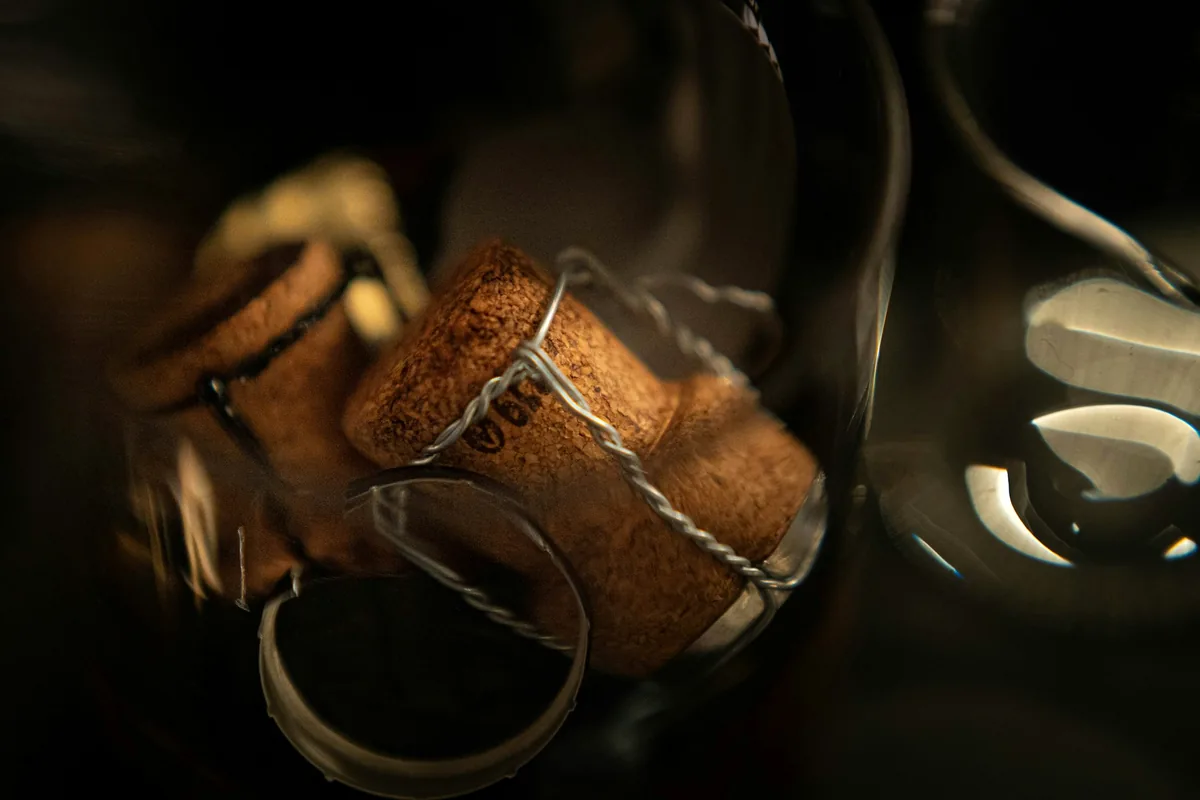
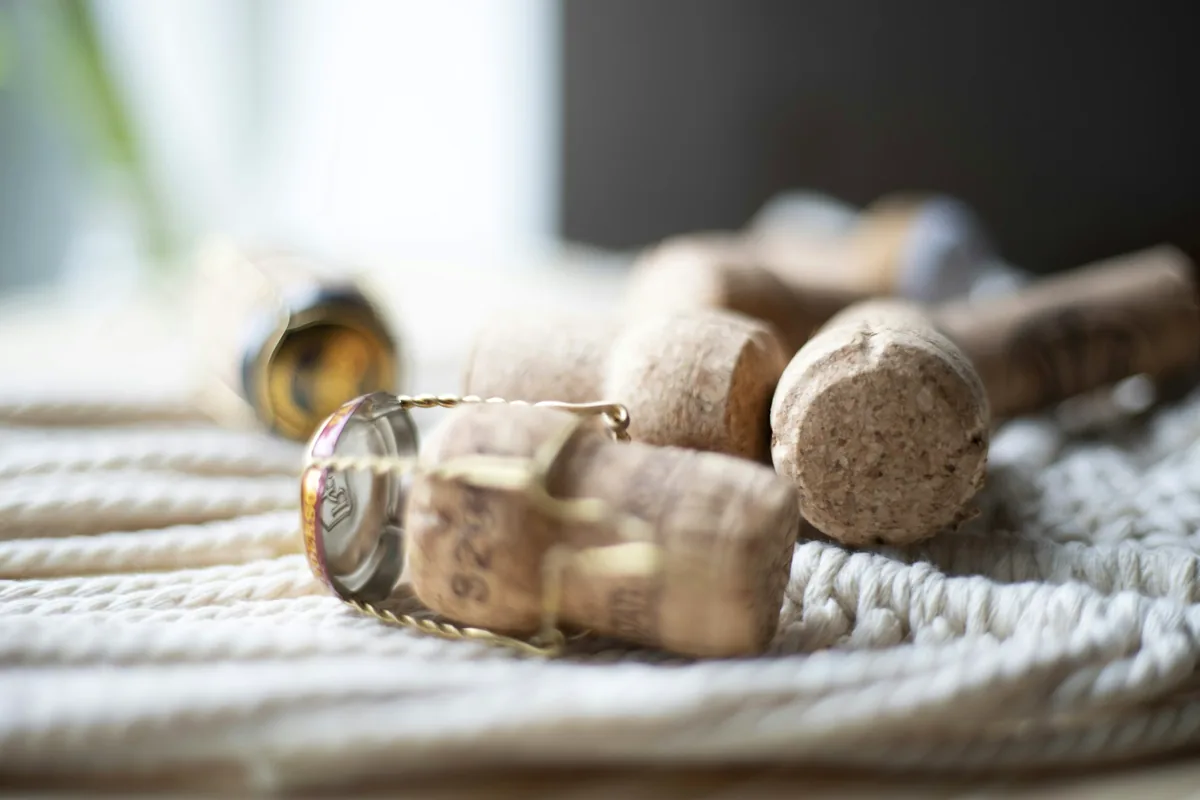
A 750ml bottle with a cork and a wire cage looks like a claim, and it does carry real information — just not about quality.
It tells you the beer is likely to be highly carbonated and probably bottle-conditioned, because that closure exists to contain pressure. It also tells you the brewery decided the beer justified expensive packaging. Both are worth knowing; neither is a grade.
The same goes for heavy glass, wax dipping, tissue wrapping and numbered bottles. They correlate with price far more reliably than with what is inside.
So is a Grand Cru worth buying?
Often yes, and for a reason that has nothing to do with the words. Breweries generally reserve the label for beers they have taken more trouble over — longer maturation, better ingredients, a blend they are pleased with — because there is no point putting it on something ordinary. The term is unregulated but it is not costless to abuse; a brewery that labels a mediocre beer Grand Cru damages its own range.
The honest framing: treat it as a brewery’s own recommendation. Trust it in proportion to how much you trust the brewery, and not at all as a comparison across breweries.
What that looked like on a real list
Two of the archived beers used the vocabulary, and they used it differently.
Rodenbach Grand Cru, on the bottle list at 6.0% and $11, is a Flanders red with a much higher proportion of two-year foeder-aged beer in the blend than the standard Rodenbach — so in this case the words describe something specific and verifiable about how it was made.
Chimay Grande Réserve, on draught at 9.0% and $12, is the Trappist brewery’s strongest regular beer, better known as Chimay Blue. Here the phrase functions as a name.
Same borrowed vocabulary, two different jobs, no rule governing either. Both lists are still on the site: the bottle list and the beer list, with historical prices.
Frequently asked questions
What does Grand Cru mean on a beer?
Nothing official. By convention it indicates a stronger, more matured or limited version of a brewery’s beer, but the term is unregulated for beer anywhere.
Is Grand Cru a beer style?
No. Beers labelled Grand Cru range from Flanders reds to strong blondes to barleywines.
Does Grand Cru mean the beer is aged?
Frequently, but not necessarily. Some are simply stronger. Only the brewery’s own description will tell you.
What about “Reserve” and “Vintage”?
Also unregulated on beer. Vintage is the most useful of them, because a dated annual release genuinely tells you the year it was brewed.
Which words on a beer label are legally controlled?
Strength, volume, allergens, the responsible party and — where they apply — protected designations such as the Trappist logo. Nearly everything else is marketing.
The short version
On wine, cru is a place and the law says so. On beer, it is a brewery telling you which of its own beers it is proudest of. That is worth something, but it is not a grade, and nobody is checking.
Related: which beers are worth cellaring and barrel-aged beer.