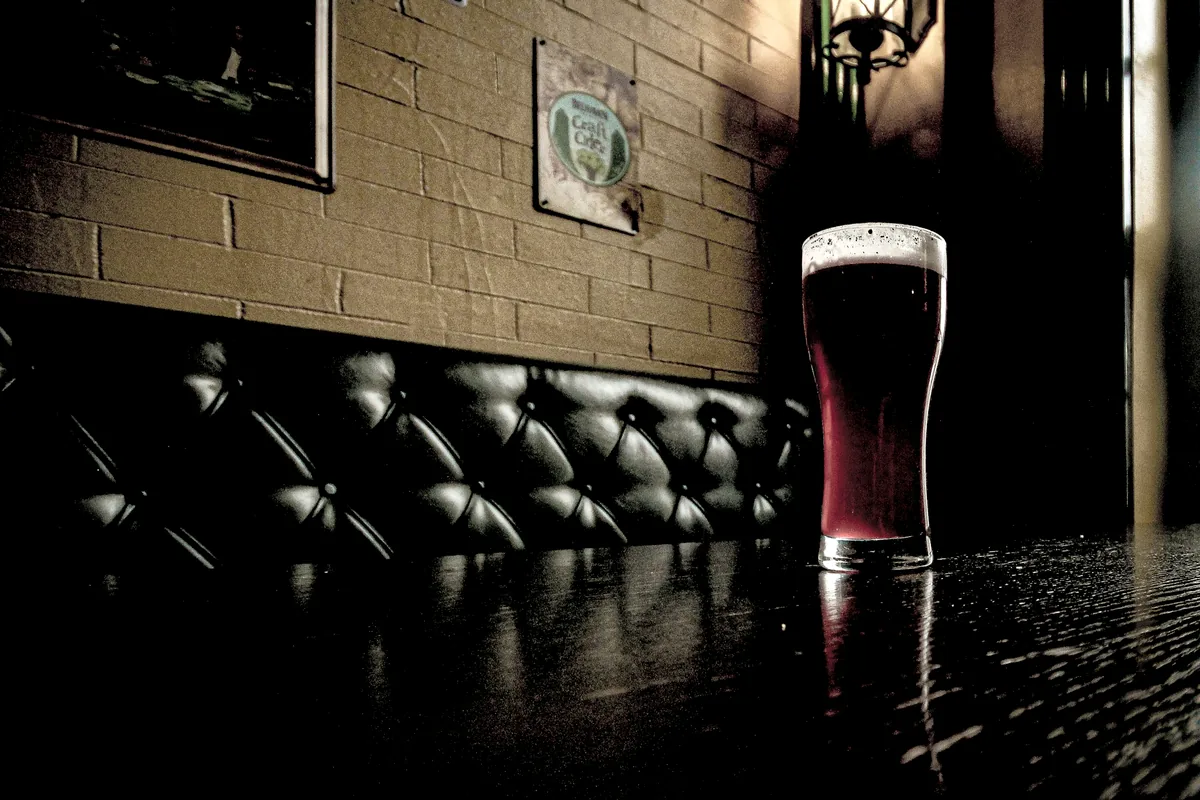
Belgium has a word for the room where beer actually happens, and it is not brasserie. An estaminet is small, dark, furnished in brown wood, hung with things nobody has moved in fifty years, and built on the assumption that you came to drink and talk rather than to eat.
The short answer
An estaminet is a traditional small café of Flanders and northern France — a drinking room rather than an eating one. The word is old Brussels dialect, the interiors are the origin of the phrase “brown café”, and the type sits below the brasserie in scale and formality and well below the restaurant.
Where the word comes from
Nobody is certain, and the competing explanations are all quite pleasing.
One derives it from the Dutch sta mijnheer — “stand, sir” — supposedly what was said when a glass was raised. Another traces it to Spanish, from the period of Spanish rule over the Low Countries, in a phrase meaning roughly “just a minute”. A third has it from Walloon dialect for a cowshed post, on the grounds that early village drinking rooms were converted farm buildings.
What is not disputed is where the word lives: Brussels patois, Flanders, and French Flanders across the border, where estaminets are still a recognised and protected part of local identity.
What the room is like
The type is consistent enough to be recognisable on sight.
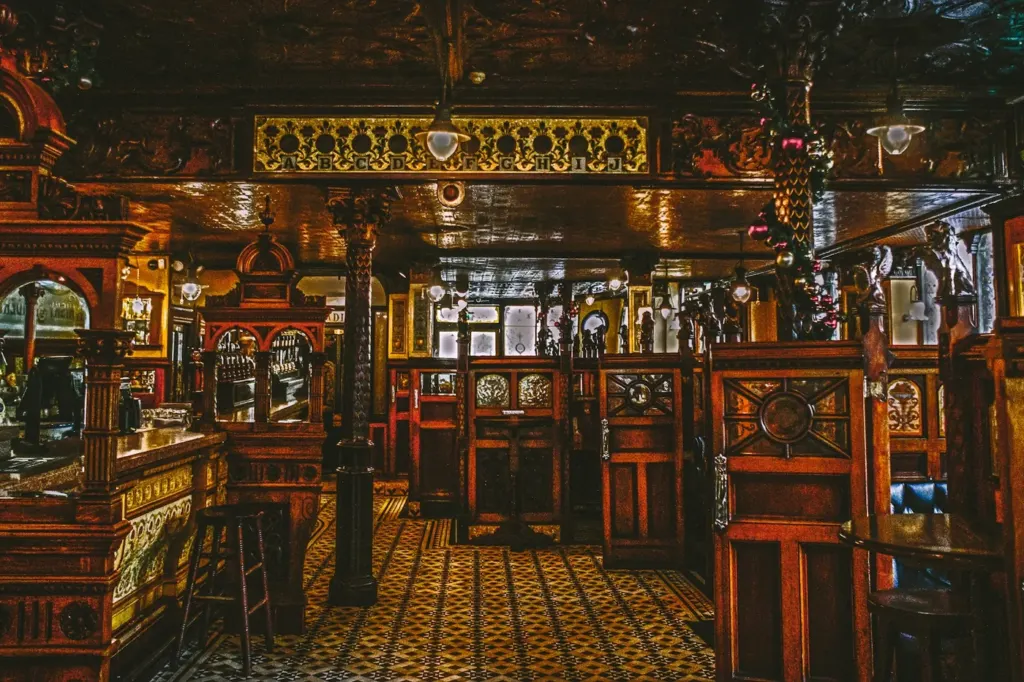
- Brown. Dark wood panelling, dark furniture, walls stained by a century of tobacco. This is literally where the Dutch and Flemish term bruine kroeg, brown café, comes from.
- Small. One room, often with a stove, sometimes with a back room for card games.
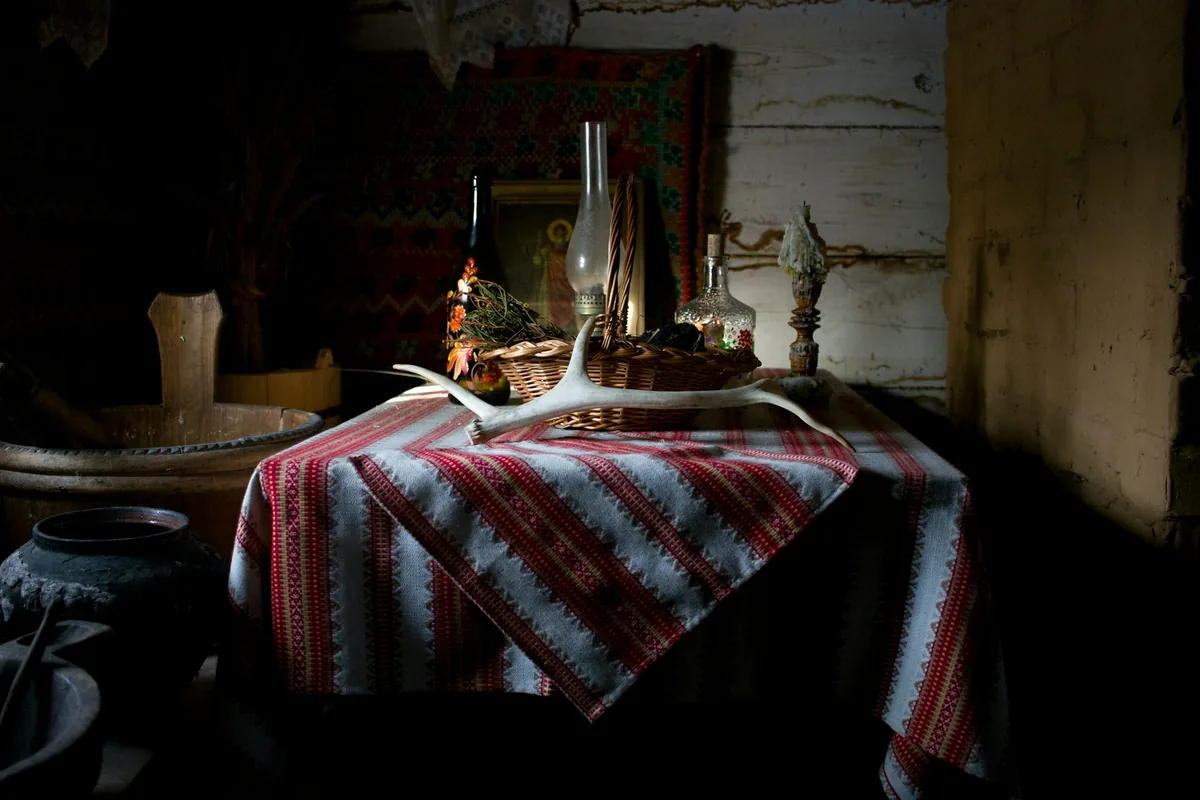
- Cluttered with its own history. Old bottles, enamel signs, photographs, hop bines strung across the ceiling, a clock that has stopped.
- Furnished for staying. Wooden tables and chairs rather than stools; the room is arranged for people sitting and talking for hours.
- Games. Traditional estaminets kept the old Flemish pub games — toepen, table games, bird-whistling contests in some villages.
The food, if any, is minimal and cold: cheese, sausage, bread, a boiled egg from a jar on the counter. Anything more and you have crossed into brasserie territory.
Estaminet, café, brasserie, bistro
| Estaminet | Café | Brasserie | Bistro | |
|---|---|---|---|---|
| Primarily for | Drinking | Drinking and coffee | Eating | Eating |
| Food | Cold snacks | Light | Full menu, all day | Short menu, set hours |
| Room | Small, dark, wooden | Varies | Large, busy | Small, informal |
| Beer list | Often long | Varies | Usually short | Usually short |
| Origin of the word | Flanders and Brussels dialect | French | French, for brewery | French |
The distinction that matters most is the first column against the last two. A brasserie and a bistro are places where you eat, differentiated mostly by formality and hours — a distinction we set out in brasserie vs bistro. An estaminet is a place where you drink, and the food exists to keep you there.
Why it matters for the beer
The estaminet is the room Belgian beer was designed around, and several things about Belgian drinking only make sense in it.
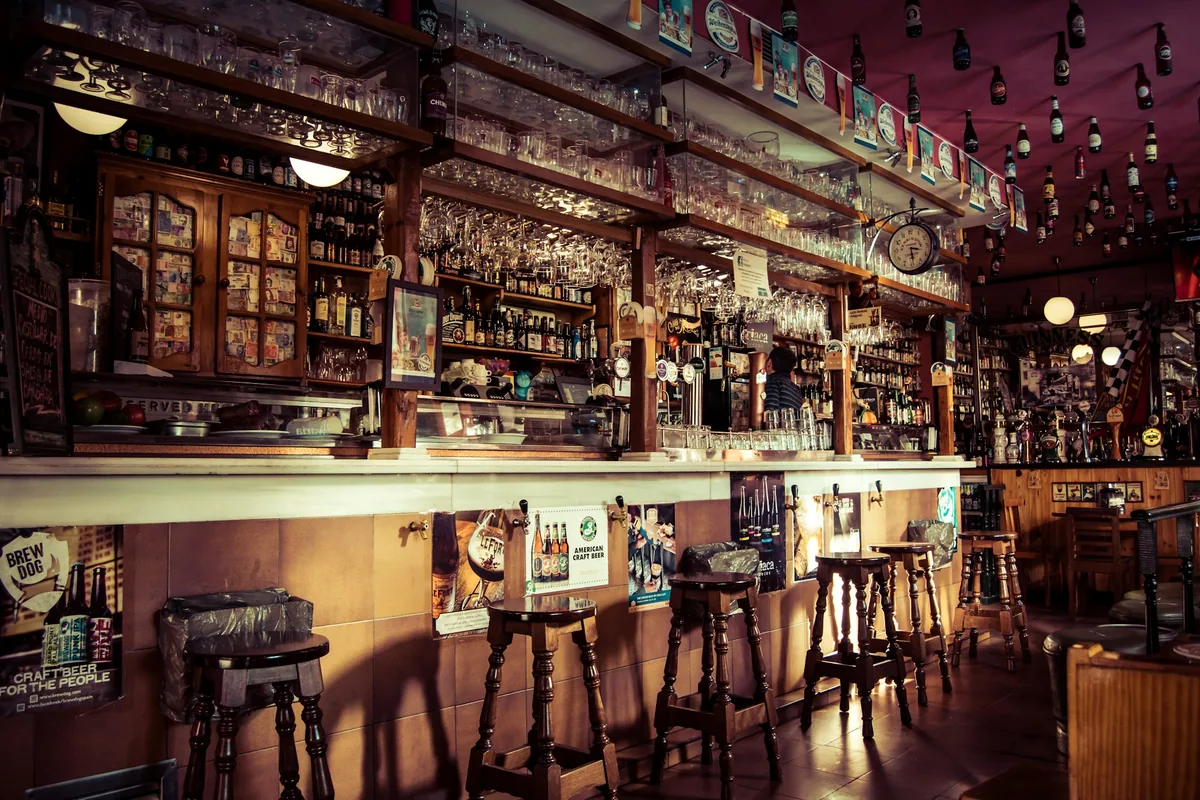
Beers are strong, so servings are small and the pace is slow — a room built for a long sit suits a 9% tripel in a 250ml glass in a way that a stand-up bar does not. Every beer arrives in its own branded glass, which requires a house that keeps dozens of shapes and washes them properly; that is a café’s business, not a restaurant’s. And the lists are long, which only works where regulars work through them over years.
It is also the room the UNESCO inscription keeps pointing at. The nomination for Belgian beer culture is largely a description of what happens in cafés, because that is where the culture is transmitted.
The peeter and the games
Two details give the type away more reliably than the furniture does.
The first is that a traditional estaminet keeps games, and they are not darts and a pool table. Flemish pub games are their own small world: trou madame and other table games with holes and wooden discs, card games like toepen, and in some villages the finch-singing contests that have their own competitive calendar. A café with a warped wooden game board on the wall is telling you what kind of room it is.
The second is the counter. An estaminet is served rather than self-service, and the person behind the counter is frequently the owner and frequently has been for decades. That continuity is a large part of why the interiors accumulate rather than get refitted — nobody has had a reason to change them.
Is the estaminet disappearing?
Fewer than there were, and the reasons are the ordinary ones: smoking bans changed the atmosphere of rooms built around it, rural depopulation removed the regulars, property values made a small one-room business hard to justify, and younger drinkers go elsewhere.
Against that, French Flanders has actively promoted its estaminets as heritage, several have been restored, and the brown café has become something people seek out rather than simply inherit. A tradition that has to be sought out is in a different condition from one that is simply used — but it is not gone.
The honest summary is that the estaminet has moved from being the default to being a choice.
What that looked like on a real list
Meyboom Brasserie called itself a brasserie, and by the definitions above that was accurate: it had a full kitchen, five menus and a brunch service. But its archived beer lists are estaminet lists — seventy beers, each in its own glassware, most of them strong, sold in small measures.
That combination is common in Belgian bars abroad, where one room has to do both jobs. It is worth noticing as a translation rather than a contradiction: the room served food like a brasserie and poured beer like a café. Both archived lists are on the site — the beer list and the bottle list — alongside the food menu.
Frequently asked questions
What does estaminet mean?
A small traditional café of Flanders and northern France, built for drinking and conversation rather than dining. The etymology is disputed.
What is a brown café?
The same idea under a Dutch name — bruine kroeg — describing the dark wood and tobacco-stained walls of an old drinking room.
Is an estaminet the same as a pub?
Close in function. The differences are in the drink and the furniture: an estaminet is built around a long beer list in seated rooms, where a British pub is built around a bar you stand at.
Do estaminets serve food?
Little, and cold. Cheese, sausage, bread, pickled eggs. A place serving hot dishes to order is functioning as a brasserie.
Where can you still find them?
Flanders, Brussels and French Flanders around Lille and the Westhoek, where a number have been restored and promoted as local heritage.
The short version
Small, brown, wooden, cluttered and quiet. The estaminet is the room the Belgian beer list evolved to suit: long, strong, in its own glass, drunk slowly by people who came to sit down.
Related: what a Belgian brasserie actually is and why Belgian beers each get their own glass.