Belgian beer names look like a numbering system, and people reasonably assume dubbel means twice the alcohol of a single and tripel means three times. It does not work like that. The names are older than any measurement of strength, and what they signal today is closer to a family of recipes than a multiplier.
The short answer
Single, dubbel, tripel and quadrupel describe a ladder of monastic-style Belgian ales that gets stronger as you climb — but the styles also change character, not just strength. Roughly: a single is a light, dry table beer. A dubbel is dark, malty and tastes of dried fruit. A tripel is golden, spicy and dangerously easy to drink. A quadrupel is dark, rich and usually the strongest thing on the list.
Where the names come from
The old story is that abbeys marked casks with Xs — one for the weakest, three for the strongest — so the cellarer could tell them apart. Whether or not that is literally how it happened, the useful point is that the names started as a rough internal shorthand for strength and only hardened into recognised styles much later, largely in the twentieth century.
Westmalle is usually credited with fixing the modern meaning of tripel, and the name spread from there. This is why style definitions from bodies like the Beer Judge Certification Program describe these as a related family rather than a strict mathematical series.
The four rungs
Single, or enkel
The beer the monks kept for themselves. Light in body, low in alcohol by Belgian standards, dry and hoppy enough to be refreshing. It is the rarest of the four on a bar list, because it does not travel or keep as well as its stronger relatives and there is little commercial reason to export it.
Westmalle Extra is the best-known example, and it turned up on Meyboom’s bottle list — which is genuinely unusual for a bar outside Belgium.
Dubbel
Dark amber to brown, malt-led, with flavours that people consistently describe as raisin, plum, fig and a little caramel. The colour and the dried-fruit character come partly from darker malts and partly from Belgian candi sugar, which lifts the strength without making the beer heavy.
A dubbel is the friendliest of the four with food. It has enough sweetness to stand up to roasted and braised dishes, and enough carbonation to cut through fat.
Tripel
Golden rather than dark, despite being stronger than most dubbels. Tripels are brewed with pale malt and candi sugar, which keeps the body light while the alcohol climbs. The flavour is driven by the yeast: pepper, clove, orange peel, a firm bitterness and a very dry finish.
Tripels are the classic trap. They drink like a much lighter beer and are frequently over 9% ABV.
Quadrupel
The newest name of the four and the least standardised — some breweries simply call theirs a strong dark ale. Expect dark fruit, molasses, a hint of port, and real warmth. These are sipping beers, served in small measures, and they age well.
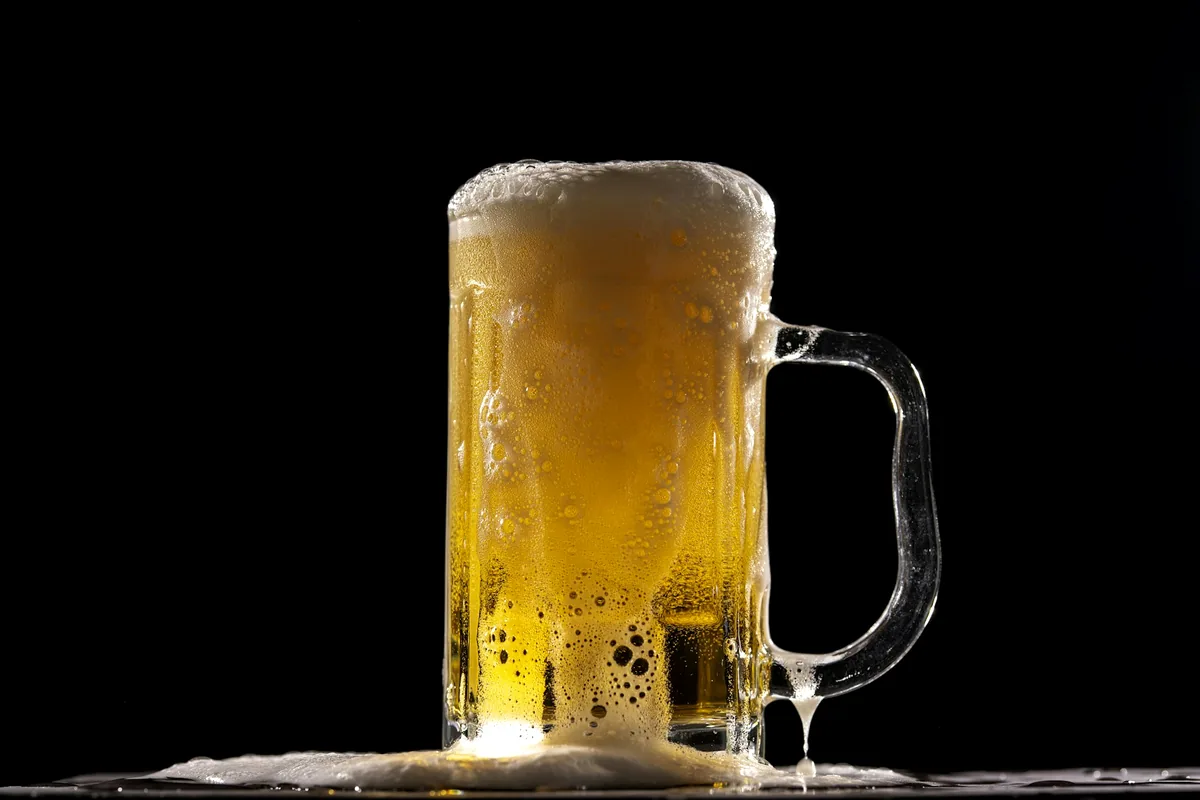
The four styles side by side
| Single | Dubbel | Tripel | Quadrupel | |
|---|---|---|---|---|
| Colour | Pale gold | Amber to brown | Golden | Deep brown |
| Typical strength | Around 4–6% ABV | Around 6–8% ABV | Around 8–10% ABV | 10% ABV and up |
| Flavour direction | Dry, hoppy, light | Caramel, raisin, plum | Pepper, clove, citrus | Dark fruit, molasses, warmth |
| Body | Light | Medium | Light for its strength | Full |
| Best with | Lighter starters | Roasted and braised dishes | Fried and salty food | Cheese, or after dinner |
| On Meyboom’s list | Westmalle Extra | Westmalle Dubbel, Chimay Red Premiere, Rochefort 6 | Westmalle Tripel, Tripel Karmeliet, Rochefort Triple | Chimay Grande Réserve, Rochefort 10, La Trappe |
Which one should you order?
Work backwards from what you are eating and how long you plan to stay.
- Starting the evening, or eating something light. A single or a Belgian blonde. Low enough to leave room for a second.
- With a rich main course. A dubbel. The dried-fruit malt works with roasted meat, mushrooms and anything braised.
- With fried or salty food. A tripel. The carbonation and dry finish reset the palate between bites.
- After dinner, instead of dessert. A quadrupel, in a small glass.
If you cannot choose, a flight is the honest answer. Meyboom’s beer list offered a four-pour draught flight for exactly this reason, and tasting a dubbel next to a tripel teaches you more in five minutes than any article can.
Beyond the ladder
The single-to-quadrupel family is only one part of Belgian brewing, and fixating on it means missing the styles Belgium is arguably more famous for:
- Witbier — cloudy, wheat-based, spiced with coriander and orange peel.
- Lambic and fruit lambic — spontaneously fermented, sour, and in the case of kriek and framboise, refermented on cherries or raspberries.
- Flanders red — aged in oak, sharply tart, closer to a wine than most people expect from a beer.
- Belgian golden strong ale — pale, effervescent and deceptively powerful. Duvel is the archetype.
Meyboom’s list ran across all of these: witbiers, Lindemans fruit lambics, Rodenbach on the Flanders red side, and Duvel among the golden strong ales. The full range as last published is on the archived beer menu.
Frequently asked questions
Is a tripel stronger than a dubbel?
Usually, yes. Dubbels tend to sit around 6–8% ABV and tripels around 8–10%, though the ranges overlap and individual beers vary. The bigger difference is colour and character: dubbels are dark and malty, tripels golden and spicy.
What does dubbel mean in Belgian beer?
It names a style of dark, malty Belgian ale of moderate strength, originally a rough marker of a stronger brew within an abbey’s range. It does not mean the beer is twice as strong as anything else.
Is a quadrupel the same as a Belgian dark strong ale?
Broadly, yes. Quadrupel is a commercial name rather than a formal category, and many beers that fit the description are simply labelled strong dark ale. Rochefort 10 and Chimay Grande Réserve are typical of the type.
What is Belgian candi sugar for?
It raises alcohol without adding body. That is the trick behind a tripel: pale, light on the tongue and still very strong. Darker candi syrups also contribute the caramel and dried-fruit notes in dubbels and quadrupels.
Should Belgian beer be served cold?
Not fridge-cold. Stronger Belgian ales show far more aroma and flavour at cellar temperature, roughly 8–12°C. Serving them too cold flattens exactly the yeast character you are paying for.
Where to go next
Style tells you what is in the glass. The label on the bottle tells you something different — whether the brewery is a monastery or a business borrowing the look of one. That is covered in our guide to Trappist and abbey beer.
And if you have ever wondered why a Belgian bar hands you a different glass with every beer, there is a real answer in why Belgian beer comes in its own glass.