
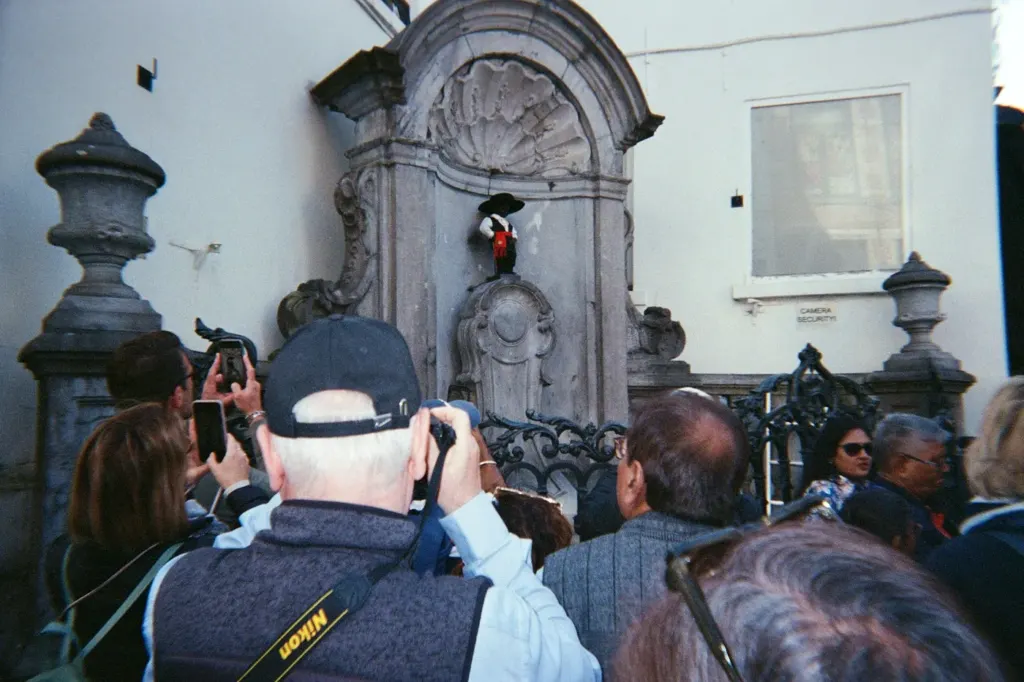
He is sixty-one centimetres tall, he stands on an unremarkable street corner, and the reliable reaction of first-time visitors is that he is much smaller than expected. He is also, on certain days of the year, plumbed into a barrel of beer and dispensing it free to whoever is standing there.
The short answer
Manneken Pis is a small bronze fountain figure in central Brussels, installed in 1619 by the sculptor Jérôme Duquesnoy the Elder. Since 1698 he has been given costumes, and the wardrobe now runs past a thousand. Among them is one from the brewers’ guild, and on occasion the fountain is connected to a keg so that he pours beer instead of water.
A working fountain first
Before he was a mascot he was infrastructure. Manneken Pis was part of the city’s drinking-water distribution from the fifteenth century — the current bronze replaced an earlier stone figure — and for a long time he was simply one of the public fountains people drew water from.
He survived the French bombardment of Brussels in 1695, which flattened much of the city centre, and that survival is part of why the city took to him. The figure now on the corner is a copy; the 1619 original is in the Brussels City Museum, having been stolen and damaged enough times to make displaying it outdoors unwise.
The wardrobe
The costume tradition starts in 1698, when Maximilian II Emanuel, Governor of the Spanish Netherlands, gave him a suit of clothes. Every subsequent ruler, guild, visiting nation and local association seems to have decided to do the same.
He is now dressed several times a week according to a published calendar, in outfits ranging from saints and soldiers to footballers, Elvis and the national dress of countries marking an anniversary. The collection has its own museum, the GardeRobe MannekenPis, a short walk away.
Two things about this matter for anyone interested in Belgian beer culture. The first is that the costumes are almost all donations, which makes the wardrobe a physical record of who wanted to associate themselves with the city. The second is that the guilds are prominent among the donors — and the brewers are a guild.
Manneken Pis as brewer
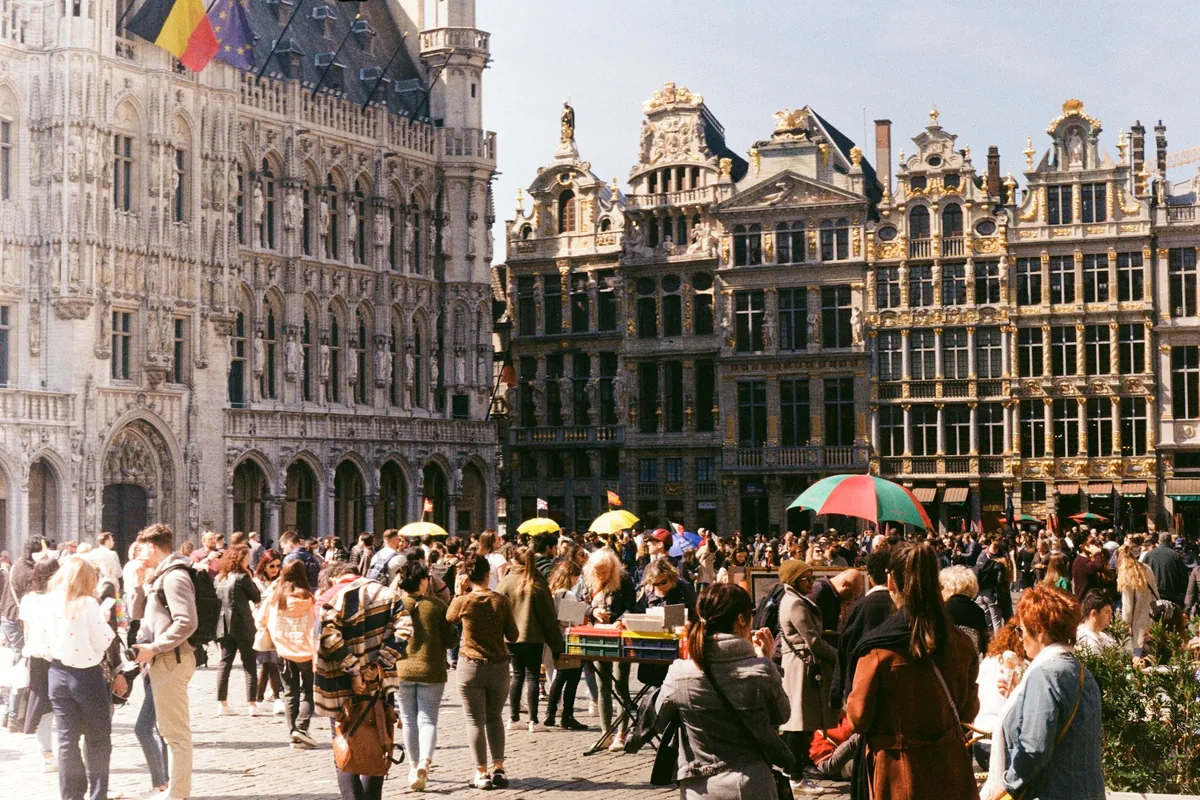
The City of Brussels maintains a costume in which he appears as a brewer, and it is worn for occasions connected to the trade — the brewers’ guild has its own house on the Grand-Place, and Belgian brewing has a civic standing in Brussels that is hard to overstate.
The part everybody remembers is the plumbing. On certain celebrations the water supply is swapped for a barrel, and Manneken Pis dispenses beer, which is collected in small glasses and handed out to the crowd. It is done rarely enough to be an event and often enough to be a tradition.
Both the costume and the keg belong to the same civic habit that produced the Meyboom — a city that marks its calendar with guild ceremonies, processional giants and an argument about beer duty from 1213. Brussels folklore is unusually beer-shaped, and this is the most visible instance of it.
Stolen, repeatedly
For a statue of his size he has had an eventful career. Manneken Pis has been taken several times over the centuries — by soldiers, by students, and on at least one occasion by someone who left him broken in a gutter.
An eighteenth-century theft by a group of French soldiers caused enough offence that the figure was afterwards granted an honorific title by way of apology, and later thefts prompted repairs, replacements and eventually the decision to keep the original indoors. What stands on the corner today is a replica; the 1619 bronze is in the Brussels City Museum, alongside a good part of the wardrobe.
The pattern says something about the relationship. A city does not repeatedly repair, re-dress and re-install a two-foot fountain unless it has decided the thing matters, and Brussels decided that a long time ago.
What he actually means
There are several origin legends and none is documented. The most repeated has a boy putting out a burning fuse and saving the city; another has a merchant’s lost son found relieving himself; a third involves a witch and a curse. All of them are later than the statue.
What the figure has come to represent is better attested and more interesting: Brussels’ sense of itself as irreverent, unimpressed and comfortable with the ridiculous. A city that makes its principal landmark a urinating toddler, dresses him in a thousand costumes and occasionally runs beer through him is making a statement about its own temperament.
He also has relatives. Jeanneke Pis, a girl squatting, was added in 1987 on the Impasse de la Fidélité; Zinneke Pis, a dog cocking its leg, arrived in 1998. Neither is old, and both are entirely in keeping.
Why a Dallas brasserie cared
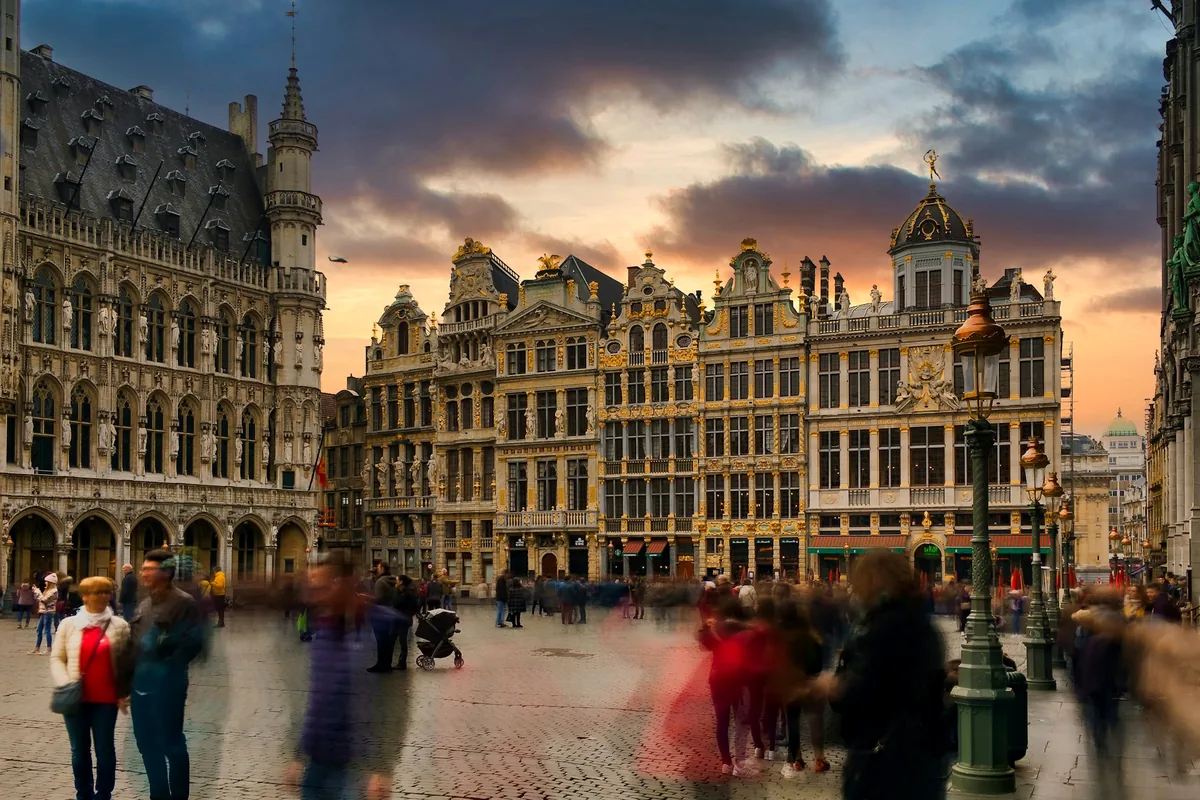
Meyboom Brasserie’s archived About page names him directly. The founders describe walking past the statue on a 2019 trip to Belgium, being struck by the crowds it drew from all over the world, and deciding that “he had to play a role in the establishment”.
The restaurant took its name from a different piece of Brussels folklore — the Meyboom, the tree planted every 9 August since 1308 — but the Manneken Pis was the thing that first caught them. Both are guild traditions, both are Brussels being pleased with itself, and both are about beer somewhere in the middle.
The brasserie has since closed; this site is an archive of it, and the founders’ own account is preserved on the About page.
Frequently asked questions
How big is Manneken Pis?
About 61 centimetres — roughly two feet. The scale is the single most common surprise for visitors.
How many costumes does Manneken Pis have?
Over a thousand, donated since 1698 and held by the City of Brussels. A large part of the collection is displayed at the GardeRobe MannekenPis museum.
Does Manneken Pis really dispense beer?
Occasionally, yes. For certain celebrations the fountain is connected to a barrel and the beer is handed out to the crowd.
Is the statue on the street the original?
No. The 1619 original by Jérôme Duquesnoy the Elder is in the Brussels City Museum; the one on the corner is a replica.
Where is Manneken Pis?
On the corner of the Rue de l’Étuve and the Rue du Chêne, a few minutes’ walk from the Grand-Place.
The short version
A sixteenth-century water fountain that became a wardrobe, a mascot and, on the right day, a beer tap. Brussels has spent four centuries dressing up a small bronze boy, and the brewers’ guild is among the people who have dressed him.
Related: the Meyboom and Flanders and Wallonia.