A Belgian beer list looks like one tradition. It is at least two. The country is split down the middle by language, and the beers on either side of that line were shaped by different farming, different economies and different histories — to the point that you can often guess which half a beer comes from before you read the label.
The short answer
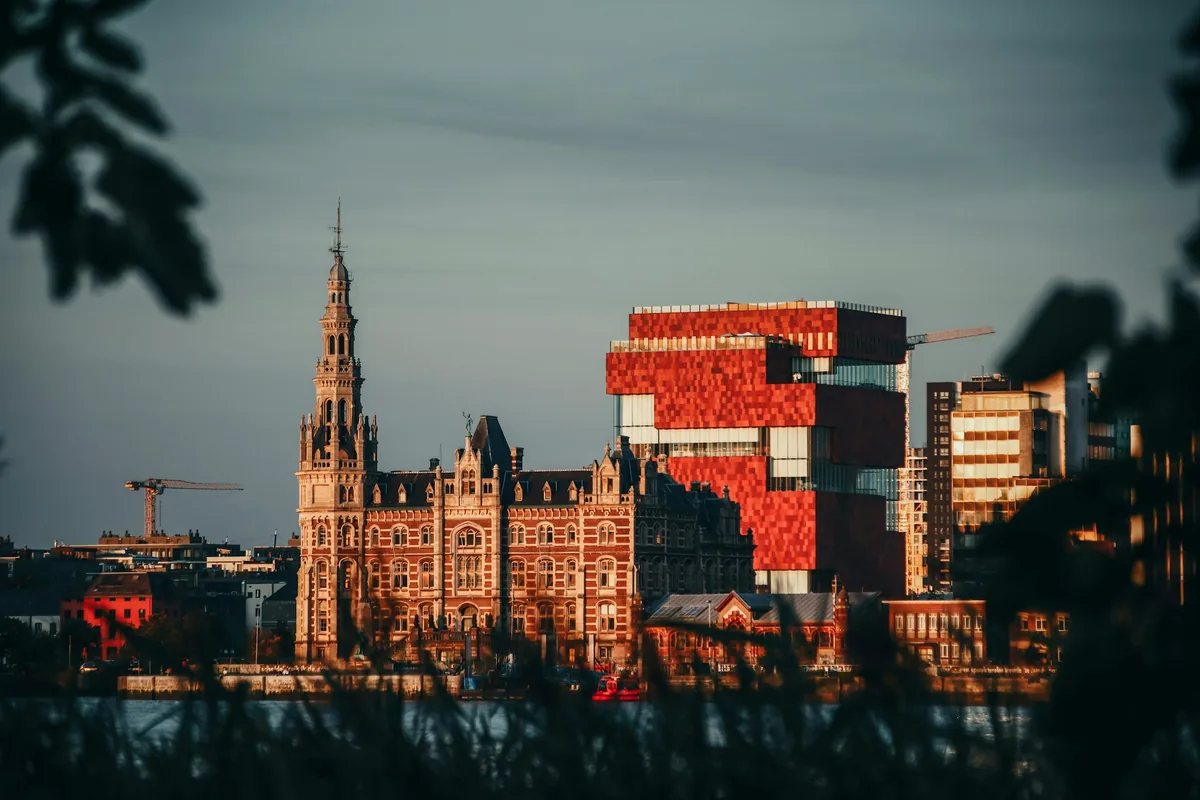
Flanders, the Dutch-speaking north, is the home of the spontaneously fermented and the sour: lambic, gueuze, Flanders red, oud bruin. It is also where most of the big abbey and Trappist blondes and tripels are brewed, and where most Belgian breweries are.
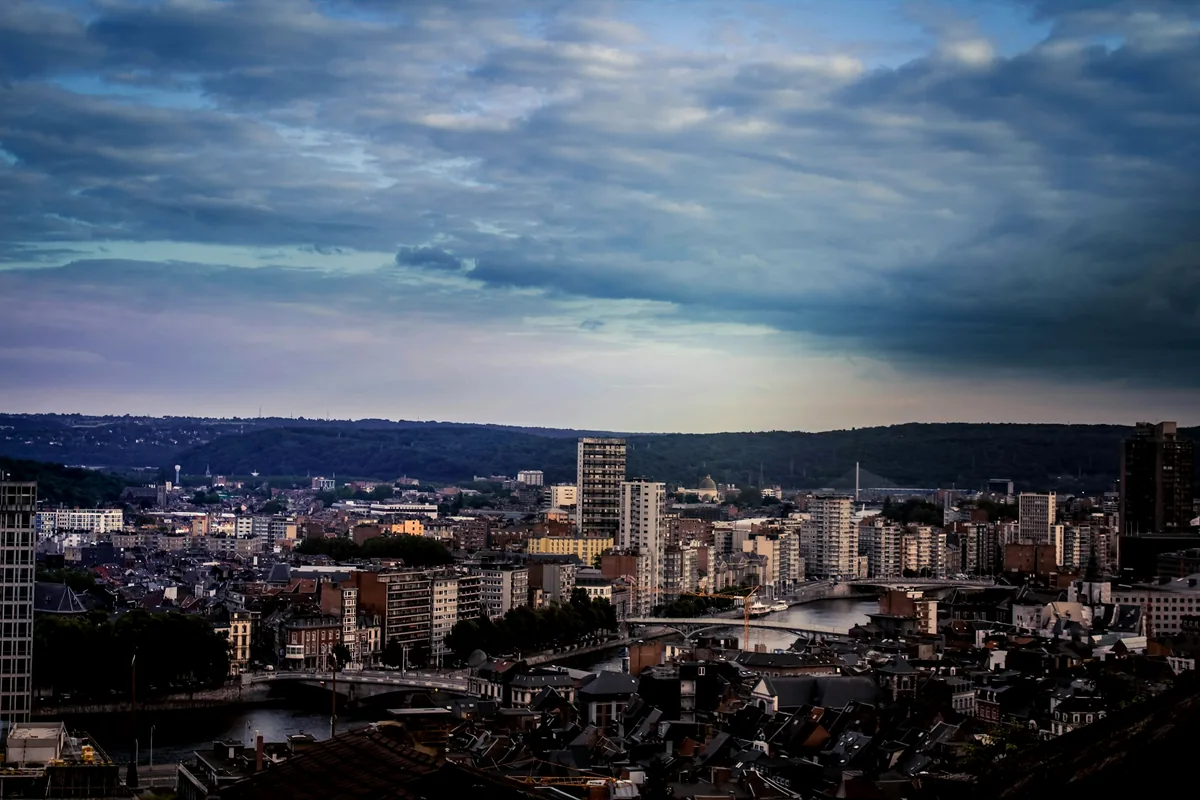
Wallonia, the French-speaking south, is the home of the farmhouse: saison above all, plus the great dark Trappist beers — Rochefort, Chimay, Orval. It is hillier, more rural, has far fewer breweries, and hops its pale beers harder than the north does.
Flanders: the sour half
Everything Belgium is famous for that involves wild yeast comes from the north, and specifically from a small area around Brussels and the Senne valley.
Lambic and gueuze are fermented by whatever is in the air — no pitched yeast at all — then aged in oak for years and blended. They exist where they do because of a local microflora that brewers there learned to work with rather than against.
Flanders red and oud bruin come from West and East Flanders respectively: long barrel maturation, mixed cultures, and the blending of young beer with old. Rodenbach’s red is the archetype, and it is genuinely closer to wine than to most beer.
The north is also where the industry is. It has the larger economy, the ports, the population, and a great majority of the country’s commercial breweries — including Westmalle in Antwerp province, which effectively invented the modern dubbel and tripel.
Wallonia: the farmhouse half
The south is agricultural, thinly populated and much hillier, and its brewing grew out of farms rather than out of cities.
Saison is the signature. It began as a low-strength beer brewed on farms in Hainaut during the winter for seasonal workers to drink through the harvest — hence the name. Modern saison is stronger, drier, peppery and highly attenuated, and it has been adopted enthusiastically by brewers everywhere.
The dark Trappists. Three of Belgium’s five Trappist breweries are in Wallonia — Rochefort, Chimay and Orval — and between them they define the strong dark end of Belgian brewing. Orval is the odd one out and a Walloon speciality in its own right: dry-hopped, fermented with Brettanomyces, and unlike anything else.
Walloon brewers also use noticeably more hops in their pale beers than northern ones. The result is a Belgian idea of a bitter pale ale — spicy and dry rather than resinous — that has no real equivalent in Flanders.
Why the split exists at all
The language border is the visible line, but it sits on top of an older one: what the land could grow and what the economy could support.
Flanders is flat, densely populated and was for centuries the richer half, with the ports, the cloth trade and the cities. It grew grain well, it had capital, and it had customers close by — conditions that produce commercial breweries and let them specialise in slow, expensive processes like multi-year barrel maturation and blending.
Wallonia is hillier, thinner on the ground and was farmed rather than traded. Its brewing grew up on farms, brewed seasonally for the people working them, using whatever the farm had. That is the whole origin of saison, and it is why the south’s beers historically ran drier, more rustic and less consistent than the north’s — and why the region has far fewer breweries even now.
Brussels, which is neither
Brussels is its own bilingual region, geographically inside Flanders and administratively separate, and it matters out of all proportion to its size. The lambic breweries of the Senne valley sit in and around it, gueuze blending is a Brussels trade, and the city’s drinking culture is what carried Belgian beer to the rest of the world.
It also gave the country its oldest surviving civic tradition, which began with an argument about beer duty — the Meyboom, planted every 9 August since 1308.
Reading a list by region
| Flanders (north) | Wallonia (south) | |
|---|---|---|
| Language | Dutch | French |
| Signature styles | Lambic, gueuze, Flanders red, oud bruin, tripel | Saison, strong dark Trappist, hoppy pale |
| Fermentation character | Often wild or mixed | Usually clean but highly attenuated |
| Hopping | Restrained | Noticeably firmer in pale beers |
| Trappist breweries | Westmalle, Westvleteren | Chimay, Rochefort, Orval |
| Brewery density | High | Low |
The caveat: these are tendencies, not rules. Flemish brewers make saison, Walloon brewers make tripel, and everybody now makes IPA. But if you know nothing else about an unfamiliar Belgian beer, knowing which half of the country it came from is a genuinely useful first guess.
What that looked like on a real list
Meyboom Brasserie’s archived lists split almost exactly along this line. From Flanders: Rodenbach Classic and Rodenbach Grand Cru from Roeselare in West Flanders, Bavik Super Pils from the same province, the four Lindemans lambics from Flemish Brabant, Delirium from East Flanders, Westmalle Dubbel, Tripel and Extra from Antwerp, and St. Bernardus from Watou.
From Wallonia: Chimay Grande Réserve from Hainaut, Orval from Luxembourg province, and the whole Rochefort range — the 6, 8 and 10 — from Namur.
What is missing is the tell. There was no saison on either list, which is unusual for a Belgian bar and is why we have never written about the style: we do not write about beers the archive cannot show. Both lists are still on the site — the draught and bottle list and the forty-five-bottle list — with historical prices.
Frequently asked questions
Is Belgian beer Flemish or Walloon?
Both, and the two traditions are genuinely different. Flanders leans sour and spontaneous plus the pale abbey styles; Wallonia leans farmhouse and strong dark.
Where does lambic come from?
The Senne valley in and around Brussels, in Flemish Brabant. It cannot really be made anywhere else in the traditional way, because the fermentation depends on the local airborne microflora.
Where does saison come from?
Hainaut, in Wallonia. It was originally a weak beer brewed on farms over winter for seasonal labourers, and it has since become far stronger than the original.
How many Trappist breweries does Belgium have, and where?
Five as things stand: Chimay, Rochefort and Orval in Wallonia, Westmalle and Westvleteren in Flanders. Achel was the sixth until it lost the designation — first in 2021, when the last monk left, and definitively in 2023 after the abbey was sold. The count moves as communities change, which is why Trappist vs abbey beer points at the International Trappist Association’s current list rather than quoting a number.
Which region has more breweries?
Flanders, by a wide margin. It has the larger population and the stronger economy, and Wallonia’s brewing has stayed more rural and smaller-scale.
Where to start
Drink a Rodenbach and a Rochefort 8 side by side. They are both Belgian, they are both classics, and they have almost nothing in common — which is the point of this article in two glasses.
Related: the Belgian beer styles worth knowing and what a lambic actually is.