
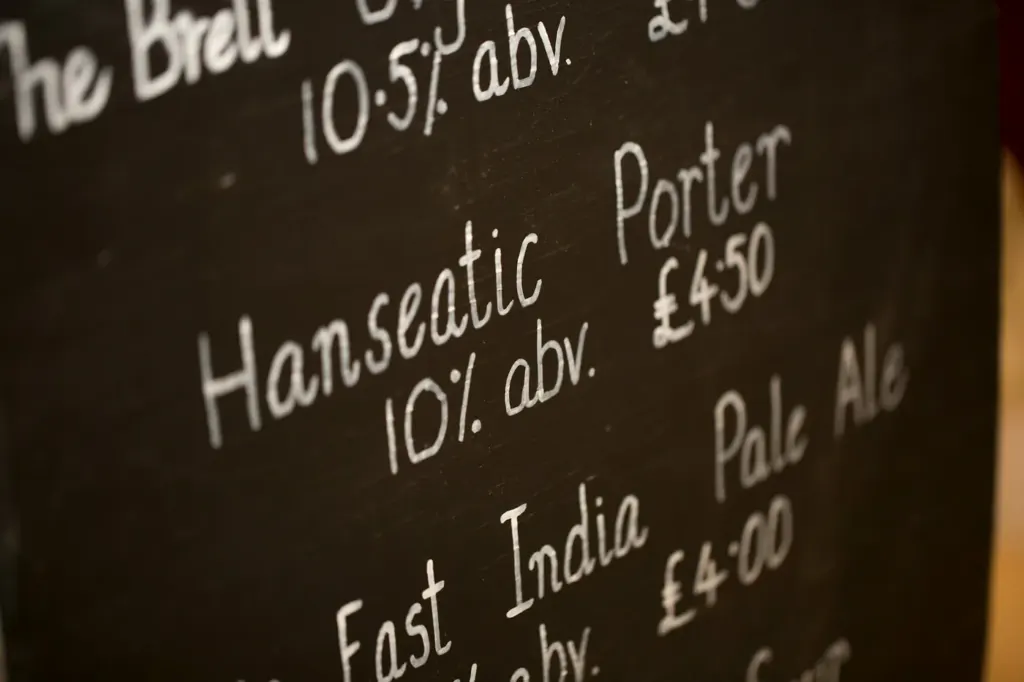
There is a question that answers itself the moment you rephrase it. Belgian beer is not expensive; Belgian beer abroad is expensive. In a Brussels supermarket a bottle of Chimay costs less than a coffee. The gap between that and what the same bottle costs in an American bar is where the real answer lives, and only part of it is about brewing.
The short answer
Roughly in order of size: bar markup, import freight and duty, small production volumes, long maturation times, expensive packaging, and the fact that these beers are strong. Only the last three are really about the beer.
The part that is genuinely the beer
Strength costs money. A 9% tripel needs roughly twice the fermentable material of a 4.5% lager to fill the same bottle. Grain and sugar are the cheapest inputs in brewing, but doubling them is still doubling them.
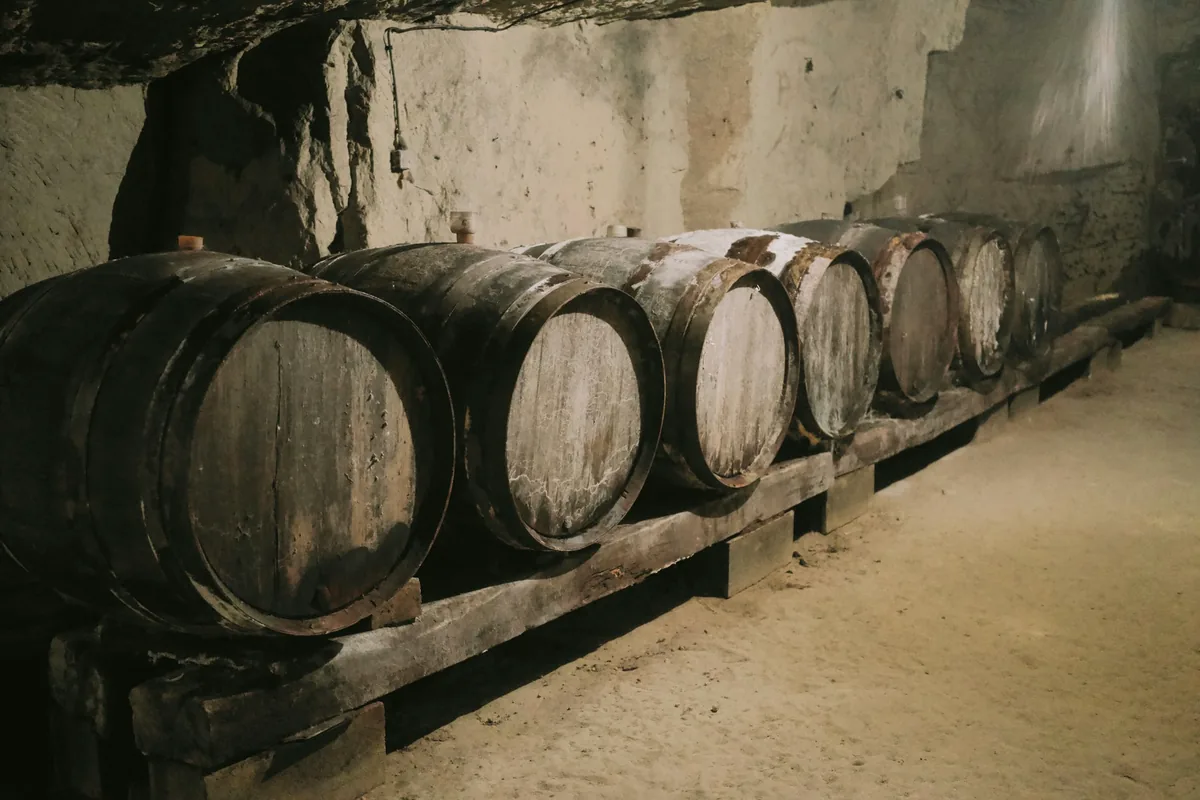
Time costs more. A pale lager can be brewed, conditioned and sold within a month. A quadrupel might spend months maturing; a Flanders red spends two years in oak; a gueuze is blended from lambics up to three years old. Every one of those days is beer sitting in a vessel not earning anything, and the vessel is not earning anything either. Long maturation is the single most expensive thing a brewery can choose to do — see barrel-aged beer.
Bottle conditioning adds a step. Refermenting in the bottle means a second dose of yeast and sugar, warm storage for weeks, and heavier glass to hold the pressure. Heavier glass then costs more to ship, which feeds the next section.
Volumes are small. The Trappist breweries in particular cap production deliberately — they are monasteries that brew to fund themselves, not businesses trying to grow. Westvleteren famously sells at the abbey gate by appointment. Scarcity is not a marketing posture there; it is the operating model.
The part that is not the beer at all
Freight. Beer is heavy, mostly water, and packaged in glass. Shipping it across an ocean costs a meaningful fraction of what it cost to make.
The importer, the distributor, the retailer. In the United States the three-tier system requires a brewery to sell to an importer or distributor, who sells to the retailer, who sells to you. Each takes a margin. A beer that leaves Belgium at one price arrives on a shelf at several times it, before the bar has touched it.
Duty and tax. Excise is generally levied on alcohol content, so a 9% ale is taxed roughly twice as hard as a 4.5% lager per litre, in addition to everything else.
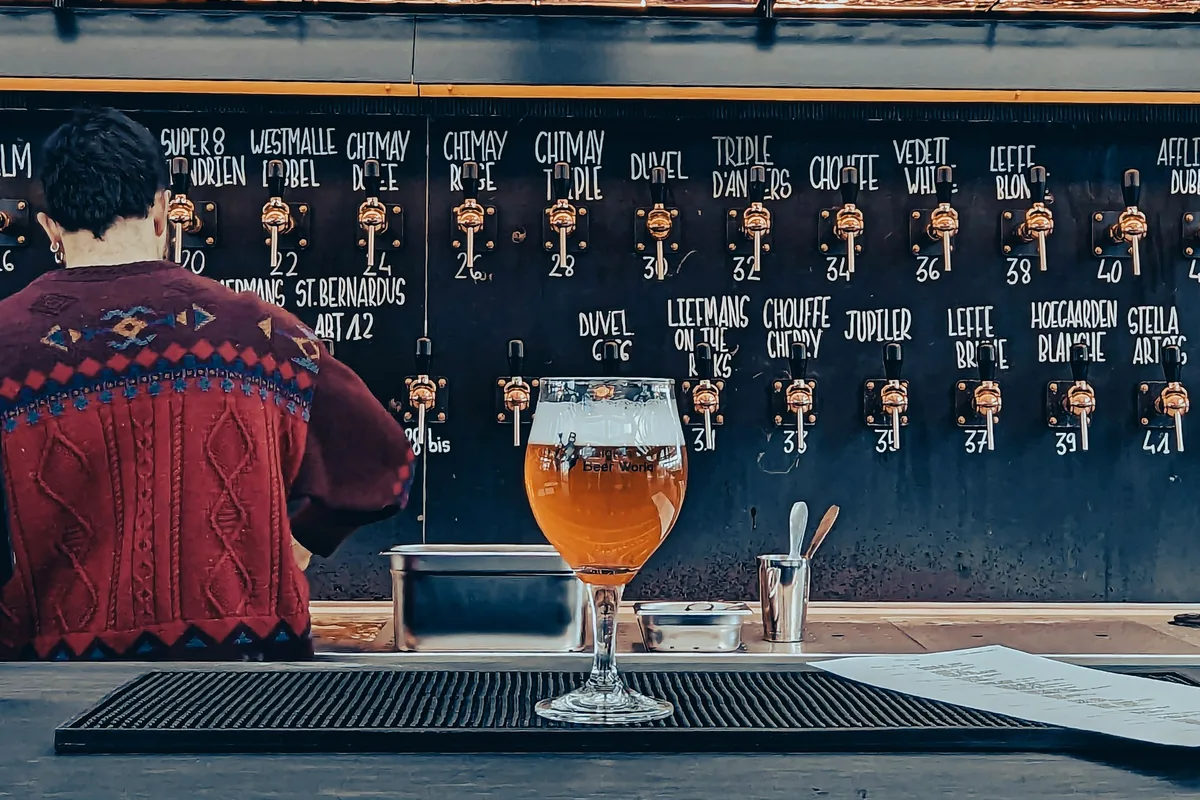
The bar. This is usually the biggest single component and the one drinkers think about least. Rent, staff, glassware, insurance, breakage and the cost of holding a long list of slow-selling bottles are all recovered through the pour. A bar keeping seventy Belgian beers in stock has a great deal of money sitting on a shelf not moving.
What you are not paying for
Two common explanations that do not hold up well.
“Trappist beers are expensive because they are rare.” Chimay and Westmalle are widely distributed and industrially produced by any reasonable standard. They cost more than lager because they are strong, matured and imported, not because they are hard to find.
“You are paying for the name.” There is brand premium in Belgian beer as in anything else, but the price difference between a Belgian ale and a mass-market lager tracks strength, maturation and freight closely enough that reputation is a small residual rather than the main term.
The genuinely useful test is to compare a Belgian beer with a domestic craft beer of the same strength and process. Do that and the gap mostly disappears — which tells you it is the shipping and the strength, not the flag.
How to spend well
If the aim is to drink good Belgian beer without paying a premium for the wrong things, four practical points follow from the above.
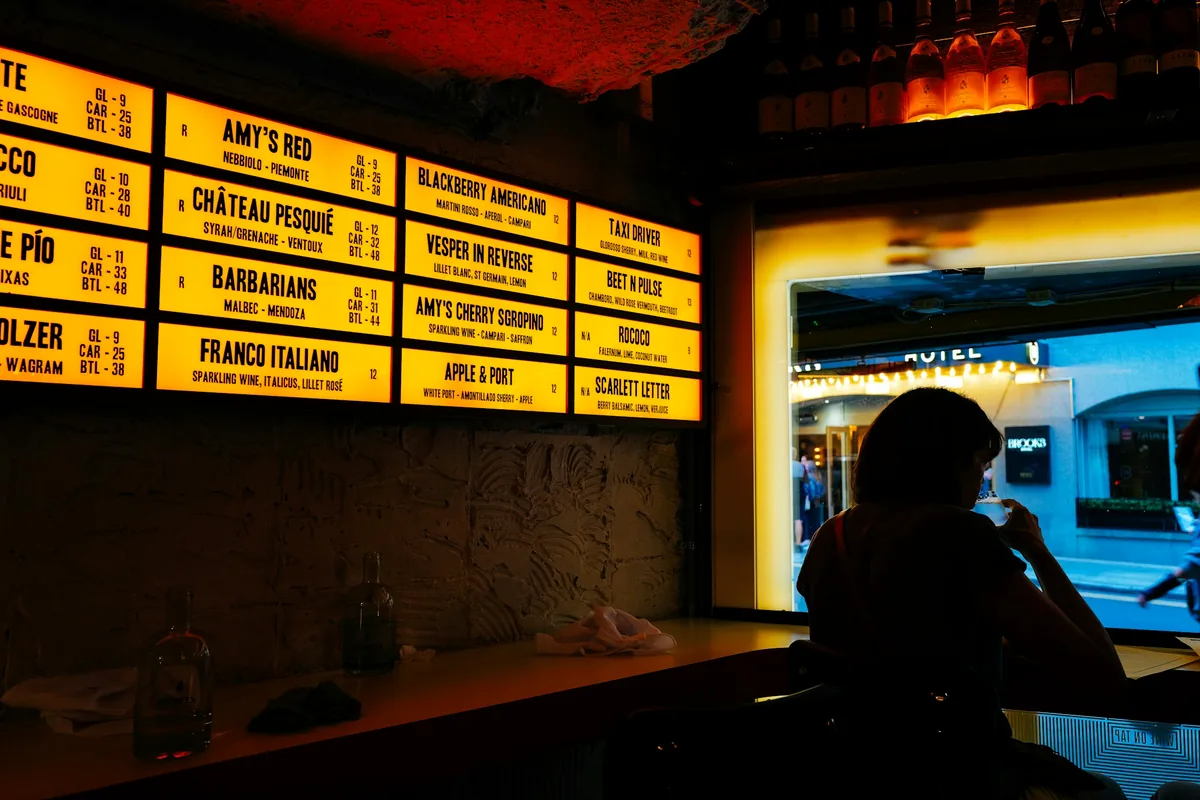
Buy at the shop, drink at the bar deliberately. The bar markup is the largest single component. That is not an argument against bars — you are buying the glassware, the cellar and somewhere to sit — but it is worth knowing which part of the price is which.
The widely distributed Trappists are the value end. Chimay and Westmalle are made in real quantity and priced accordingly. The scarcity premium sits on the small producers, and it is a premium on availability rather than on quality.
Compare like with like. A 330ml bottle at 9% against a pint at 4.5% is roughly the same alcohol. Judged that way, a great deal of Belgian beer is unremarkable in price.
Beware the large format. A 750ml bottle usually costs more per millilitre than the 330, not less, because the packaging is heavier and the beer inside is often a special release.
What that looked like on a real list
Meyboom’s archived bottle list is a clean illustration because it prints strength alongside price. Reading down it, the correlation is hard to miss.
| Beer | ABV | Archived price |
|---|---|---|
| Amstel Light | 3.5% | $8 |
| Stella Artois | 5.0% | $7 |
| Leffe | 6.6% | $9 |
| Duvel | 8.5% | $11 |
| Westmalle Tripel | 9.5% | $13 |
| Rochefort 10 | 11.3% | $15 |
| Duvel Barrel Aged | 11.5% | $17 |
Amstel Light at 3.5% is $8. Rochefort 10 at 11.3% is $15 — not quite double the price for more than triple the strength. On the beer list, the two barrel-aged Duvels ran $17 and $55, and the $55 one is a large-format bottle that spent time in Irish whiskey casks. Every step up that ladder is buying strength, time in wood, or both.
Worth restating: a $15 bottle at 11.3% is not a small drink. It carries roughly the alcohol of three glasses of lager, and pricing it against a pint is the wrong comparison. Both lists are still on the site: the bottle list and the beer list, with historical prices.
Frequently asked questions
Why is Belgian beer cheaper in Belgium?
No freight, no importer, no distributor margin, lower duty and a domestic market used to paying domestic prices. The beer is identical.
Are Trappist beers expensive because monks make them?
No. They are strong, matured and imported, and the breweries cap production by choice. The monastic connection affects volume, not cost per litre.
Why does a small bottle cost more than a pint of lager?
Because it usually contains as much alcohol, took far longer to make, and travelled several thousand miles to reach you.
Is expensive beer better?
Not reliably. Price tracks strength, time and distance far more closely than it tracks quality, and plenty of cheap beer is excellent.
Why do bars charge so much more than shops?
Rent, staff, glassware and the cost of holding stock that sells slowly. It is the same reason a restaurant charges more for wine than a supermarket does.
The short version
Strength, time and an ocean. A Belgian ale costs more than a lager because it contains more, took longer, and travelled further — and most of the difference between the shelf price and the bar price is the bar, not the brewery.
Related: why Belgian beer is so strong and dubbel, tripel and quadrupel.