
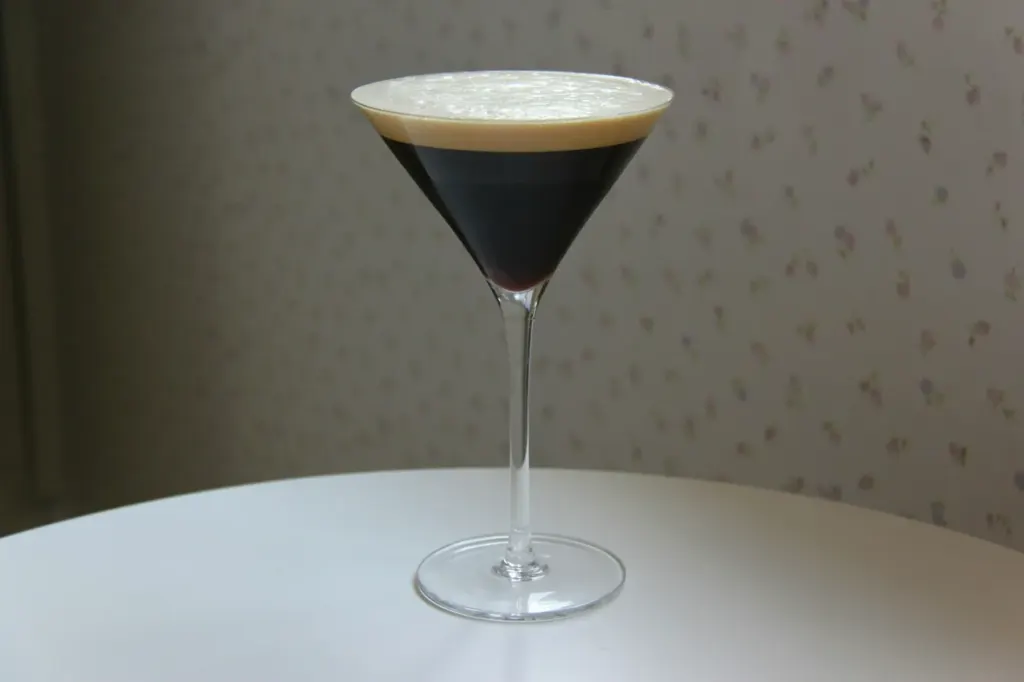
It is not a martini, it was not called one for its first decade, and the celebrity anecdote everybody repeats about its invention is disputed by the inventor’s own daughter. What is not in doubt is that a London bartender put espresso in a cocktail shaker in 1983 and the result eventually took over the world.
The short answer
An espresso martini is vodka, coffee liqueur, sugar and a fresh shot of espresso, shaken hard and served up. It was created by Dick Bradsell at the Soho Brasserie in London in 1983, originally as the Vodka Espresso. The name changed in the 1990s when it moved into a V-shaped glass, at a point when “martini” had come to mean any drink served that way.
The story, and the doubt about it
The version repeated everywhere: a young model — usually named as Kate Moss — comes to Bradsell’s bar and asks for something that will “wake me up and mess me up”. He obliges with vodka and espresso, and a classic is born.
It is a very good story and it has one problem, which is that Bradsell’s family have publicly questioned it. His daughter Bea Bradsell has pushed back on the celebrity framing in interviews with the bar press, and the timeline does not sit comfortably either — Moss was around nine years old in 1983.
The likelier reading is that a customer, unnamed and unremembered, asked for something with coffee in it late at night, and that the anecdote acquired a famous face somewhere between the bar and the retelling. Bradsell himself gave varying accounts over the years.
What is well established is Bradsell’s importance. He is the figure most credited with reviving serious cocktail-making in London in the 1980s, and the espresso martini is only his most famous drink.
The names it has had
It began as the Vodka Espresso. It spent a period as the Pharmaceutical Stimulant, which is the most 1980s name imaginable. It became the Espresso Martini in the 1990s, when Bradsell was at Match EC1 and started serving it in a cocktail glass.
That last change is worth understanding, because it explains an irritation people have with the drink’s name. By the 1990s the word martini had detached from gin and vermouth entirely and come to mean “any cocktail served up in a V-shaped glass” — the era of the appletini and the chocolate martini. The espresso martini is a survivor of that fashion, and it is not related to a martini in any structural sense. It has no vermouth, it is shaken, and it is sweet.

Where the foam comes from
This is the part most home attempts get wrong, and it is not egg white.
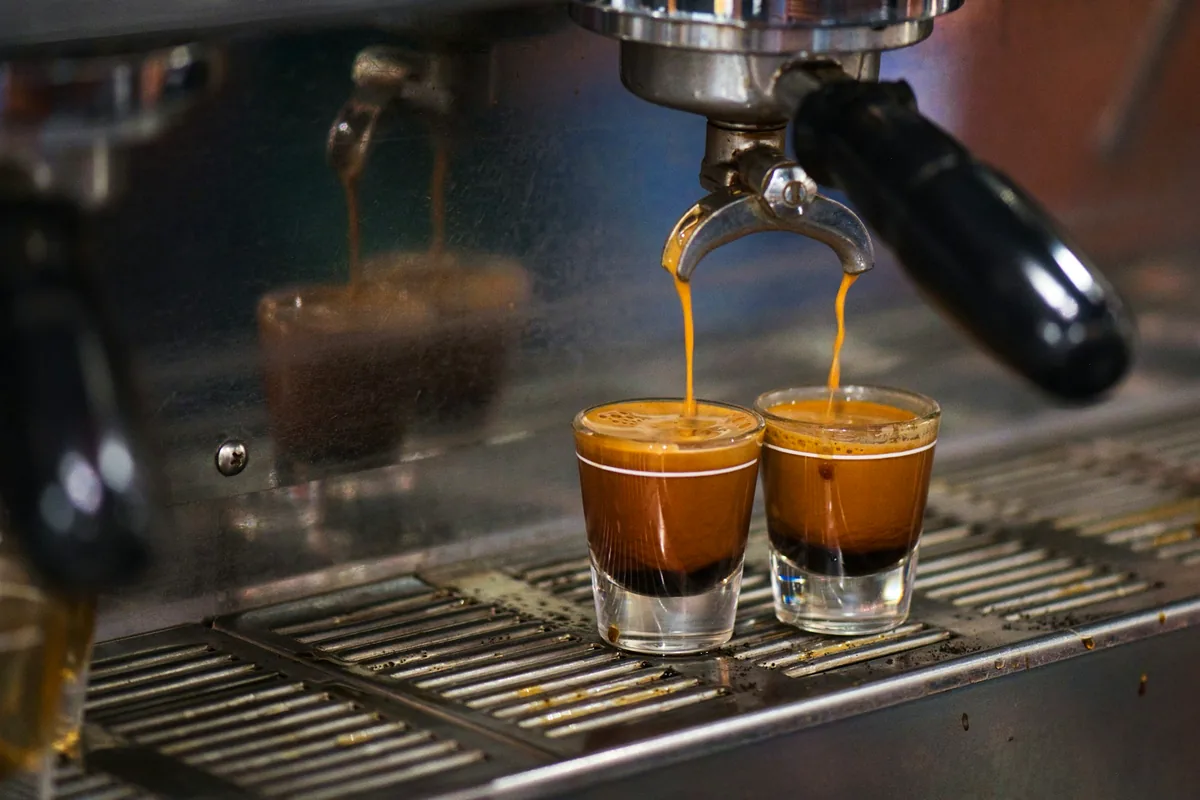
The crema on top of a fresh espresso shot is an emulsion of coffee oils and carbon dioxide. Shake that hard with ice and it aerates into a dense, stable foam that sits on the surface of the finished drink. The foam is the espresso, redistributed.
Two things follow. First, the espresso must be fresh — crema collapses within minutes, and a shot pulled and left standing will not foam. Second, the shake has to be genuinely hard and genuinely cold; a gentle shake gives you a thin, patchy head that breaks up before it reaches the table.
Cold brew is increasingly used instead, and it is a defensible choice: it is less acidic, it keeps, and it lets a busy bar make the drink without an espresso machine. It also has no crema, so bars using it typically compensate elsewhere. The result is smoother and rounder, and it is a different drink.
The three coffee beans
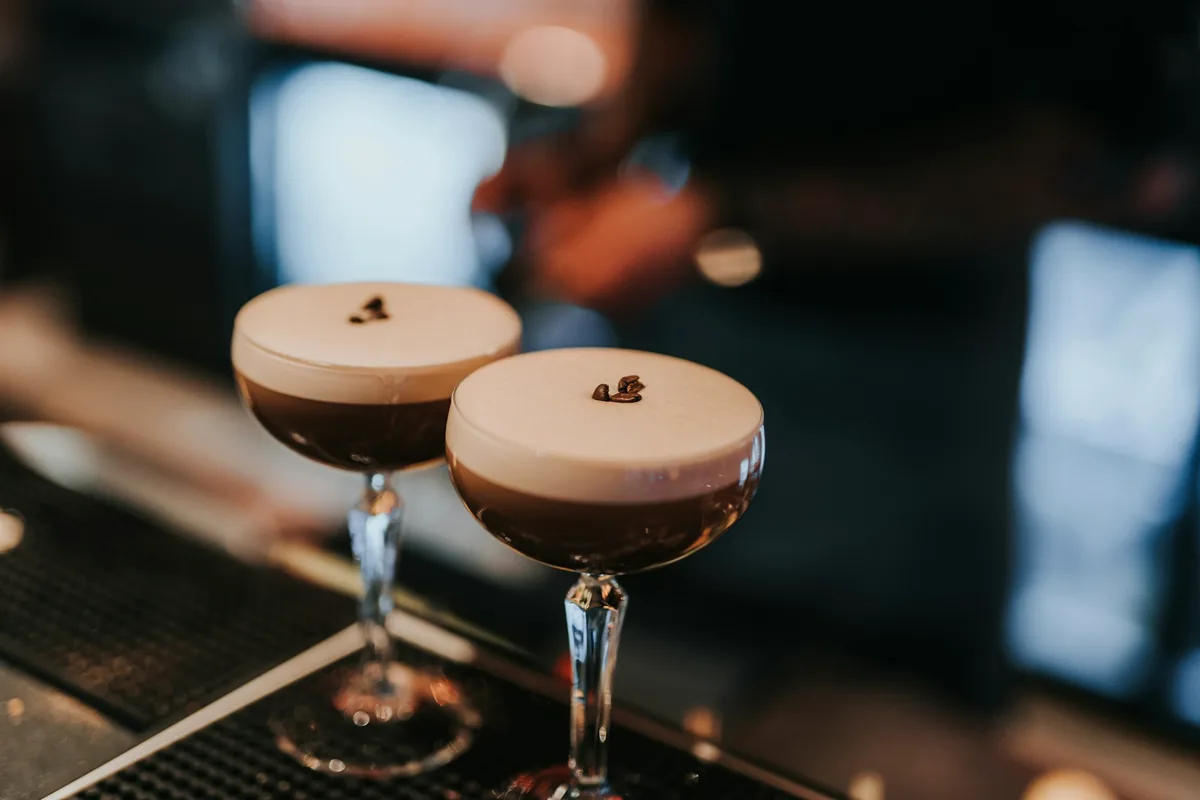
The garnish is borrowed, not invented. Serving three coffee beans is a direct lift from the Italian tradition of sambuca con la mosca — sambuca “with the fly” — where three beans are floated on the spirit and understood to represent health, wealth and happiness.
Three is the number that matters; the tradition is specific about it. As garnishes go it is unusually functional too, since the beans sit in the foam and release aroma as you drink.
How it is built
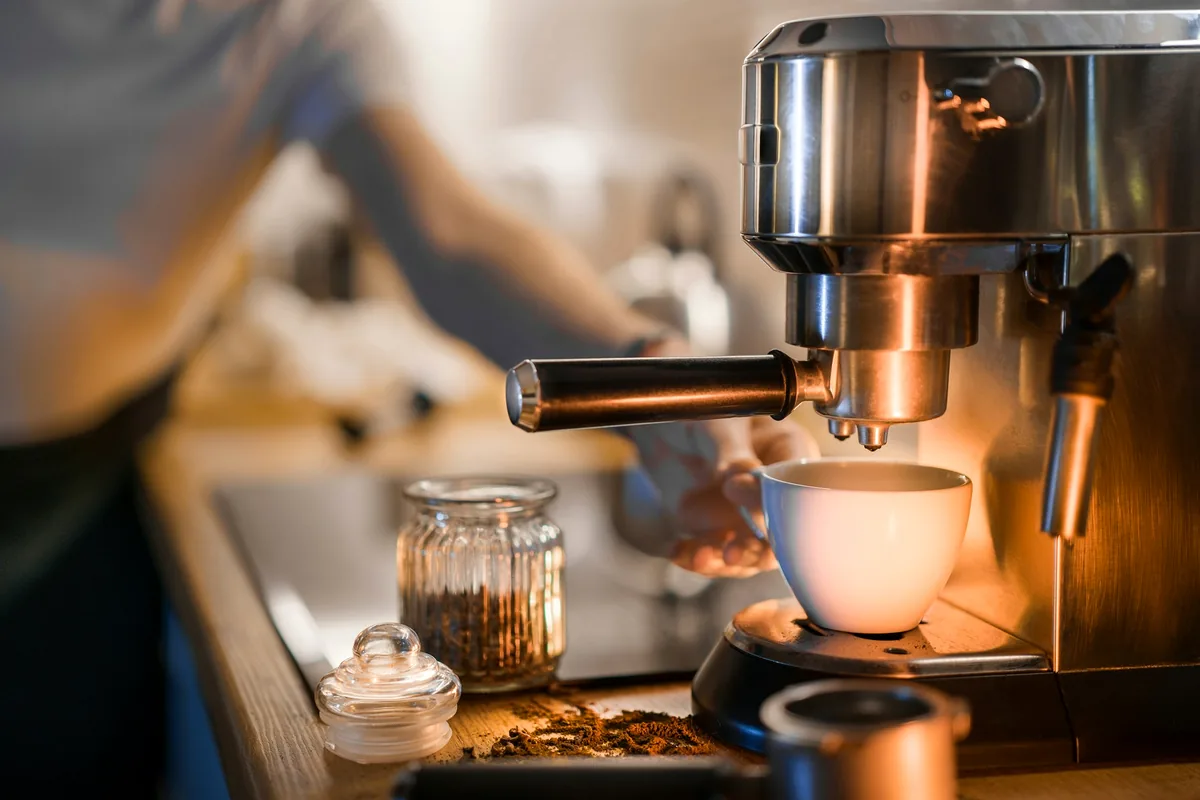
- Pull the espresso first and use it immediately.
- Vodka, coffee liqueur, sugar syrup and the espresso into the shaker.
- Ice, and shake hard — longer than you think, until the tin is painfully cold.
- Double strain into a chilled coupe or cocktail glass, so no ice chips break the foam.
- Let the foam settle for a few seconds, then float three beans on it.
The sugar is adjustable and worth adjusting. Coffee liqueur is already sweet, so many modern builds cut the added syrup entirely; a drink that tastes of coffee rather than of dessert is generally the better one.
What it looked like on a real list
Meyboom Brasserie’s archived cocktail list, captured in February 2023, had one at $12, built with Sobieski vodka, Kamora coffee liqueur, simple syrup, egg — and, specifically, “Window Seat espresso”, naming a local Dallas roaster on the menu.
Two details stand out. Naming the coffee is a real commitment: it means the bar was pulling shots rather than pouring from a bottle, which is the more expensive and more troublesome way to do it. And the egg is unusual — the classic build gets its foam from crema alone, so adding egg white is a belt-and-braces approach to texture rather than the standard recipe. Egg turns up in four drinks on that archived list, which suggests a house preference rather than an accident.
The archived cocktail list is still on the site, with historical prices. For what egg white does to a drink, see why cocktails have egg white in them.
Frequently asked questions
Who invented the espresso martini?
Dick Bradsell, at the Soho Brasserie in London in 1983. He called it the Vodka Espresso; the current name dates from the 1990s.
Is the Kate Moss story true?
Probably not as told. Bradsell’s family have disputed the celebrity framing, and Moss would have been a child in 1983.
Is an espresso martini actually a martini?
No. It shares the glass and nothing else — no vermouth, shaken rather than stirred, and sweet. The name comes from a 1990s fashion for calling anything served up a martini.
Why does my espresso martini have no foam?
Stale espresso or a weak shake. The foam is aerated crema, and crema collapses within minutes of the shot being pulled.
Can you use cold brew instead of espresso?
Yes, and many bars do. It is smoother and less acidic but has no crema, so the foam has to come from somewhere else.
The short version
Vodka, coffee liqueur, sugar and a shot pulled seconds earlier, shaken until your hands hurt. The foam is the coffee, not an egg. It is not a martini, and the famous origin story is probably a good line that grew a celebrity.
Related: the sour template and spirit-forward cocktails.