
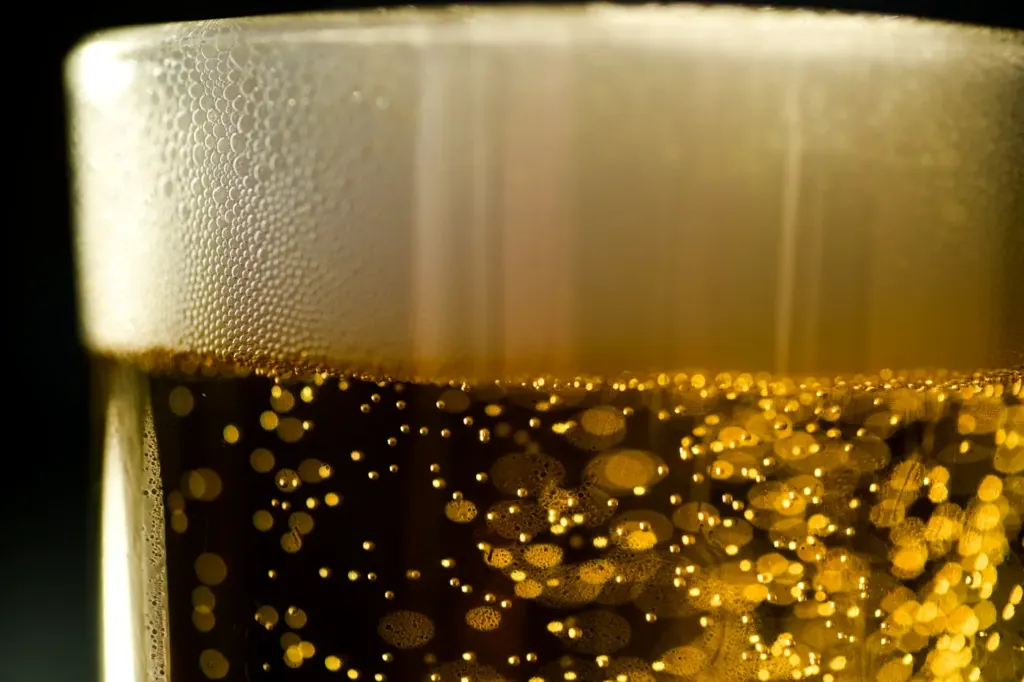
The head on a beer is the most-looked-at and least-understood thing in the glass. It is not decoration, it is not a sign the bartender short-poured you, and when it collapses in thirty seconds it is usually telling you something specific — and usually about the glass rather than the beer.
The short answer
Beer foam is carbon dioxide wrapped in a film of protein and hop acid. The proteins come from the grain, the stiffening comes from the same iso-alpha acids that make beer bitter, and the thing that destroys it is fat. That is why a trace of grease in a glass kills a head instantly, and why lipstick, crisps or a buttery finger will do the same.
What foam actually is
Beer holds dissolved carbon dioxide under pressure. Pour it, and the agitation lets that gas come out of solution as bubbles.
Bubbles on their own pop. What makes beer foam last is what surrounds each one:
- Foam-positive proteins from the malt — chiefly a class of albumins, of which lipid transfer protein 1 is the best studied. These are surface-active: they arrange themselves at the gas-liquid boundary and form an elastic skin around each bubble.
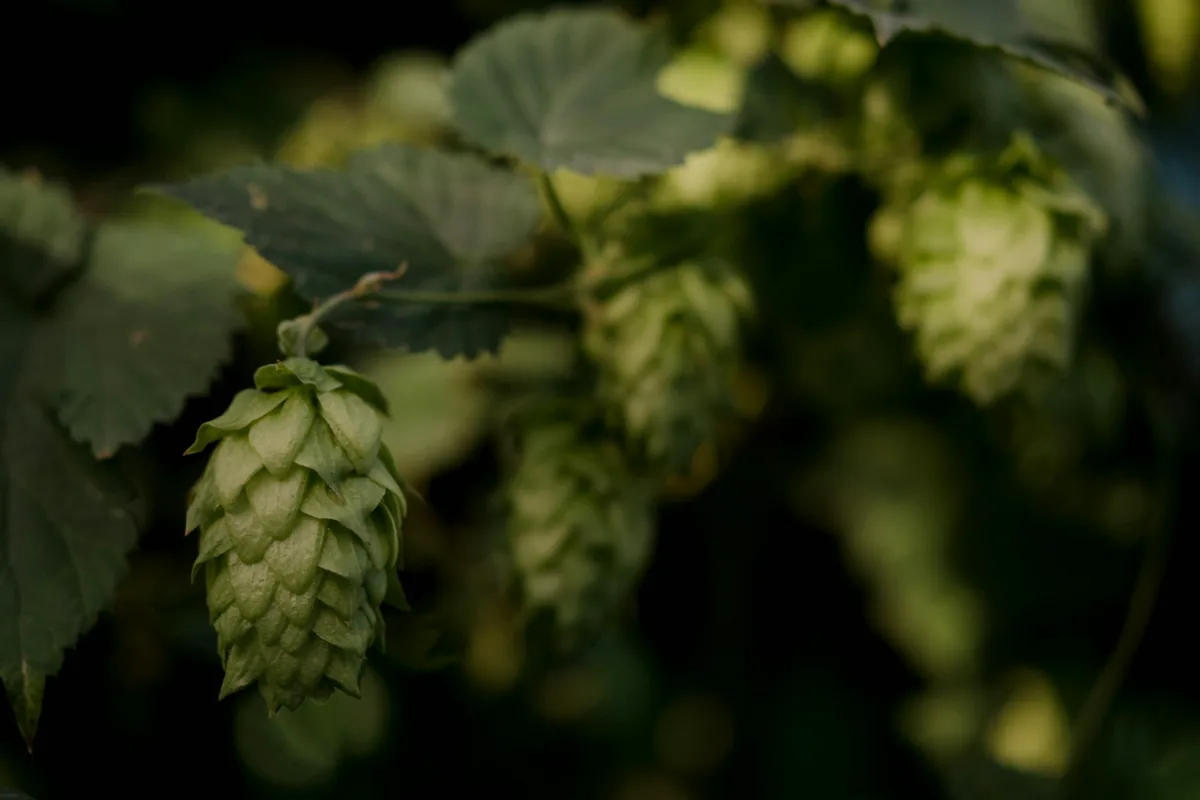
- Iso-alpha acids from the hops, which bind to those proteins and stiffen the film considerably. A beer with almost no hops struggles to hold a head.
So foam is a protein-and-hop structure, built by the same two ingredients that give beer its body and its bitterness. It is a by-product of good brewing rather than an added feature.
Why fat is the enemy
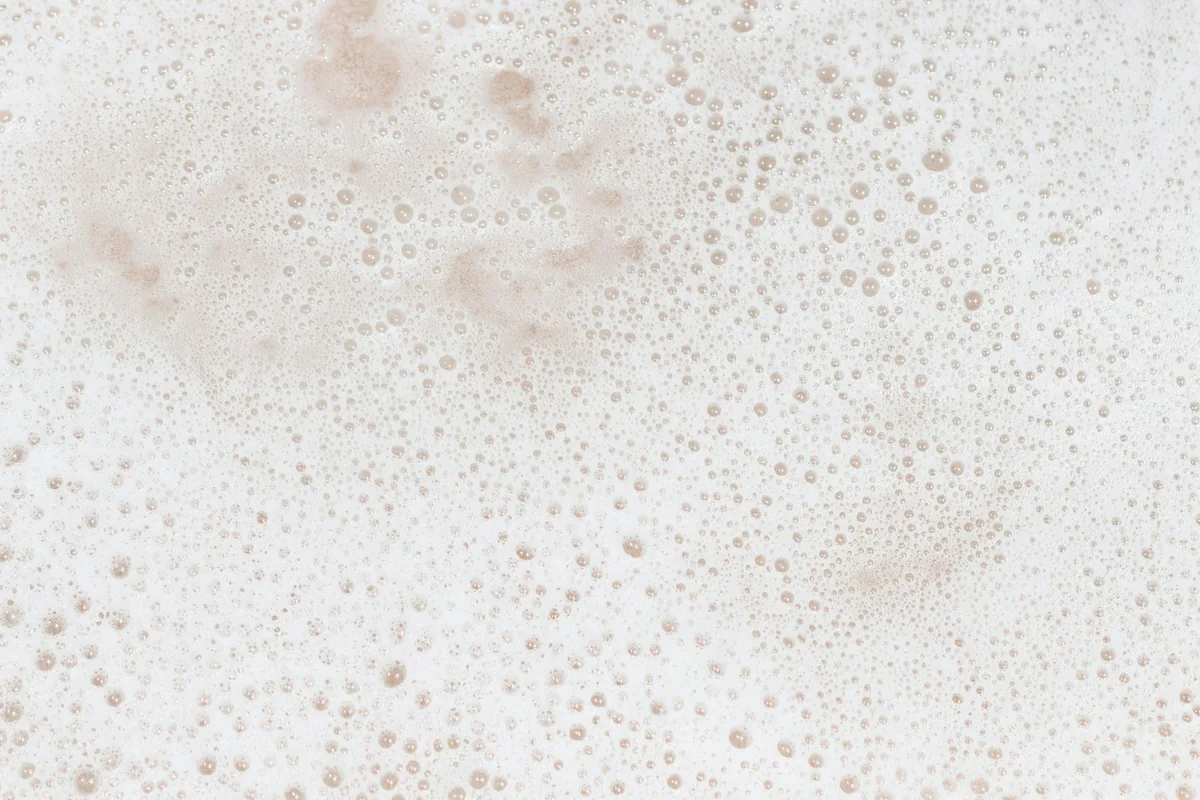
Lipids are surface-active too, and they are better at it than proteins. Introduce any fat and it displaces the protein at the bubble surface — but it cannot form an elastic film of its own, so the bubble wall loses its structure and the foam collapses.
The practical consequences are larger than they sound:
- A “beer clean” glass is a real standard. Washed with a non-fat detergent, rinsed thoroughly, air-dried, and never dried with a cloth. A glass straight from a domestic dishwasher usually carries rinse-aid residue.
- Food kills foam. Eat a handful of crisps, drink your beer, and the head goes. It is the oil on your lips.
- Chilled glasses are worse than they look. A frosted glass carries condensation and often freezer residue, and the water dilutes the film.
There is an easy test. Fill the glass with water and pour it out: if the inside sheets evenly it is clean, and if the water beads up or leaves dry patches there is a film on it.
What lacing tells you
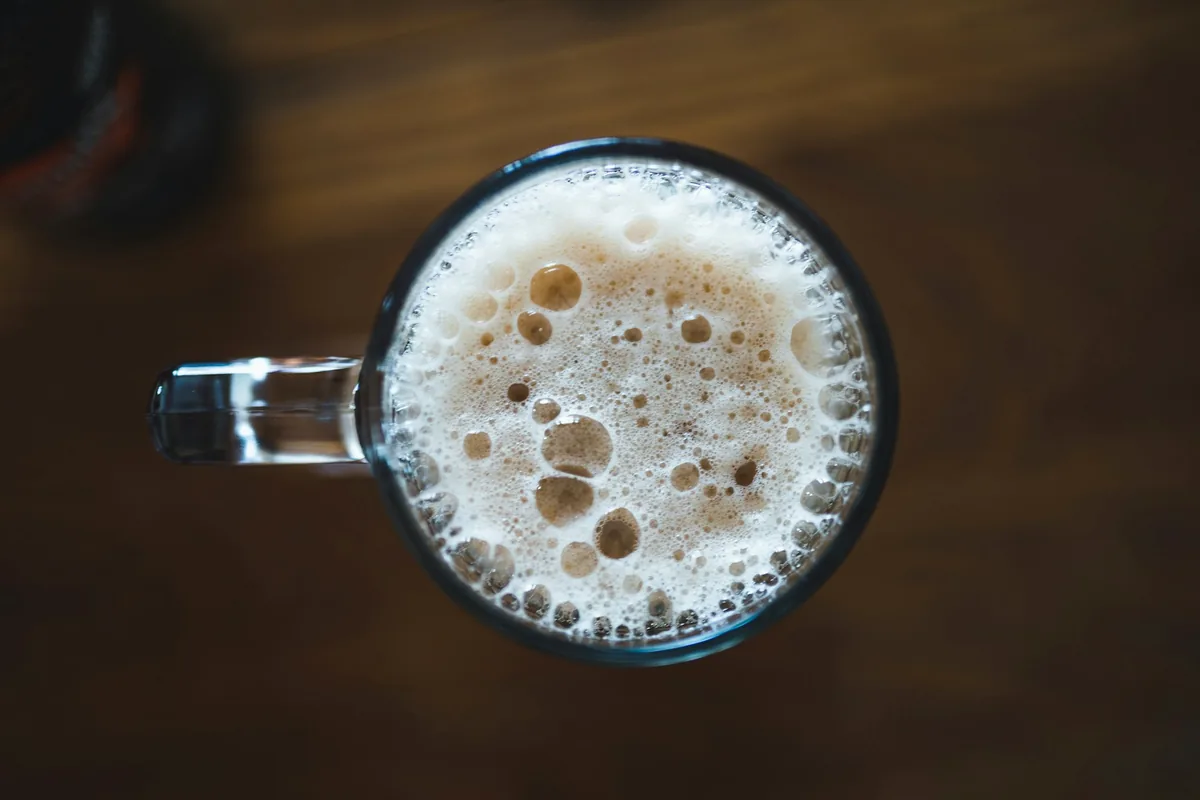
Lacing is the pattern of foam left clinging to the inside of the glass as the level drops — rings and sheets marking each sip.
It is a good sign, and specifically a sign of two things at once: the beer has strong foam-positive protein, and the glass was genuinely clean. The same proteins that hold the bubbles together let the foam adhere to glass; grease prevents both. A beer that drains leaving no trace on a glass you know was clean is a beer with weak foam structure.
This is why brewers and judges look at it. It is one of the few things you can assess before tasting that actually tells you something.
Why Belgian beers foam so much
Belgian ales are carbonated far higher than most beers — up to three or four volumes of CO2 where a British ale might sit near two — and they are bottle-conditioned, which means the carbonation was produced inside the bottle by live yeast rather than injected.
Combine that with a decent protein load and you get the enormous, dense, meringue-like heads Belgian glassware is designed to hold. It is also why the Belgian pour is different: down the middle of the glass rather than the side, in two or three stages, deliberately throwing a big head and letting it settle. That technique, and the glassware built around it, is covered in why Belgian beers each get their own glass.
Wheat beers foam hardest of all, because wheat carries more foam-positive protein than barley. A hefeweizen that erupts out of the glass is behaving exactly as designed.
What the foam is for
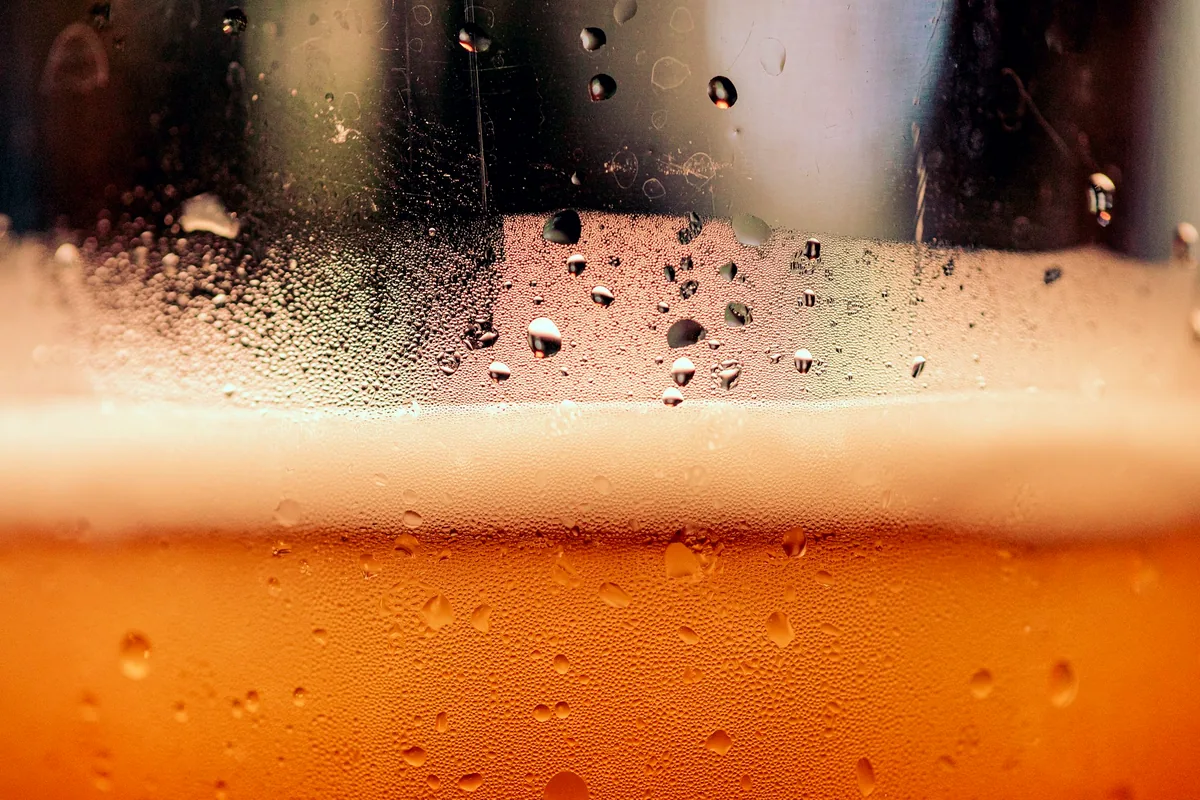
It is not only structural. The head does two jobs while you drink.
It delivers aroma. Bubbles rising and bursting at the surface carry volatile compounds out of the liquid and into the air just under your nose. A beer with no head is measurably less aromatic, and since most of what you call flavour is smell, it tastes flatter too. This is the real reason a bottle drunk from the neck is worse than the same beer in a glass.
It changes texture. A dense foam gives the first mouthful a creaminess the liquid alone does not have, and it softens the perception of both carbonation and bitterness. Nitrogen-poured stouts take this to its extreme, which is why a nitro stout feels smooth at the same bitterness that would read as sharp in a carbonated beer.
Reading a head
Four quick diagnostics, in order of how often they apply:
- No head at all, or one that vanishes in seconds. Almost always the glass. Grease, rinse aid, or a cloth-dried surface.
- Large, coarse bubbles that collapse unevenly. Under-carbonated beer, or beer poured too gently down the side.
- A head that lasts but leaves no lacing. Clean glass, weak protein — common in very light lagers and in beers made with a lot of sugar or adjunct.
- Foam that will not stop rising. Beer served too warm, or a bottle that was shaken. Not a fault in the beer itself.
What a head is not is a measure of quality. Plenty of excellent beers are low-foaming by design, and a big head on a bad beer is still a bad beer.
Frequently asked questions
Why does my beer have no head?
The glass, nine times out of ten. Wash it with plain detergent, rinse well, let it air-dry, and pour again before blaming the beer.
Is a big head a sign of good beer?
No. It indicates protein, hop acid and carbonation, all of which vary by style. Some very good beers foam modestly on purpose.
What is beer lacing?
The foam that clings to the glass as you drink. It shows both good foam-positive protein in the beer and a genuinely clean glass.
Should I pour beer down the side of the glass?
For a lager, yes, to control the foam. For a Belgian ale, no — pour down the middle to throw a proper head, then let it settle and top up.
Do frozen glasses ruin beer foam?
They do not help. Condensation dilutes the film and freezer residue can carry fats. A cool, clean, dry glass beats a frosted one.
The short version
Foam is protein and hop acid holding carbon dioxide. Fat destroys it, so a clean glass matters more than anything the brewer did. Lacing is the proof it was clean. And a Belgian ale is supposed to arrive with a head you could stand a spoon in.
Related: what hops actually do and draught vs bottled beer.