
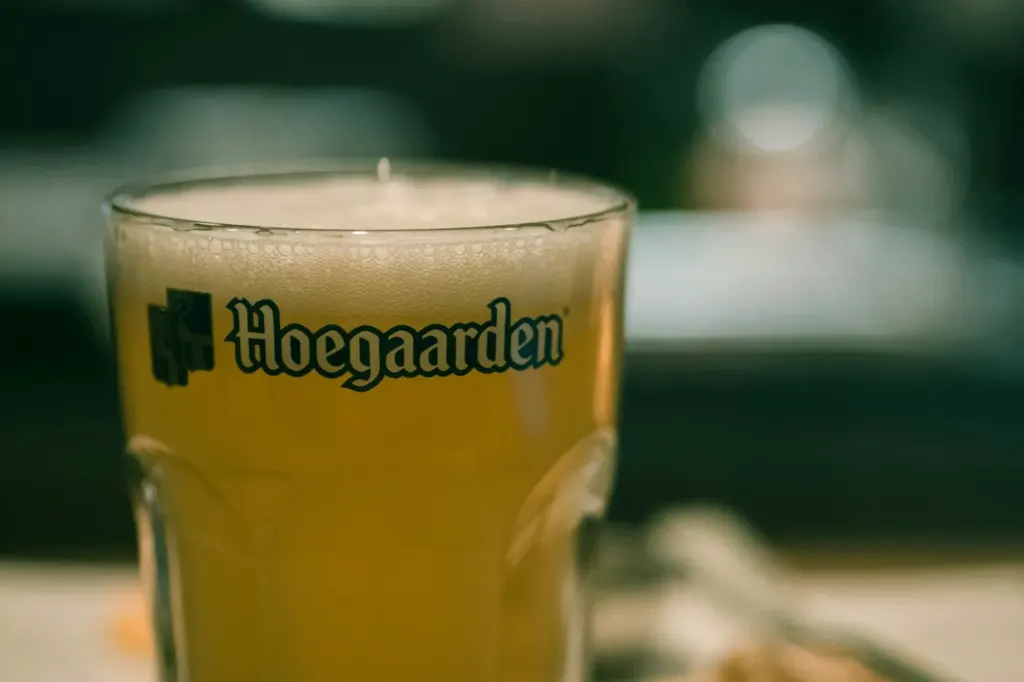
Witbier is the Belgian beer that people drink without knowing they are drinking a Belgian beer. It is pale, cloudy, gently spiced and very easy — which is precisely why it became the style that industrial brewers copied hardest.
The short answer
Witbier — Flemish for “white beer” — is a Belgian wheat beer brewed from a large proportion of unmalted wheat alongside malted barley, and spiced with coriander seed and dried orange peel. It is cloudy, pale, low in bitterness, around 5% ABV, and finishes slightly tart.
The cloudiness is the wheat and the yeast, not a fault. The citrus is real orange peel, not flavouring.
What goes into it
Unmalted wheat
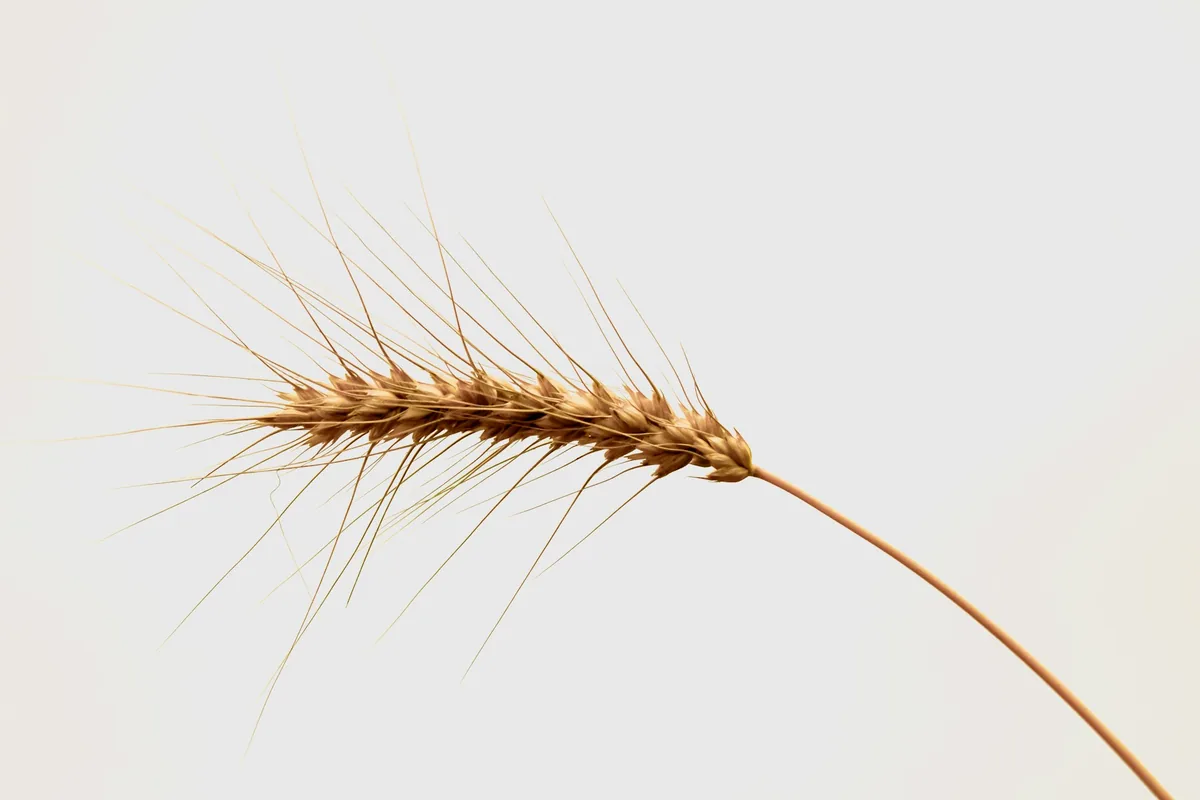
This is the structural difference. Where most beers use malted grain, witbier uses a large share of raw, unmalted wheat — commonly around half the grain bill. Unmalted wheat carries a lot of protein, and protein is what scatters light. That is where the white haze comes from, and it is also why a witbier holds a thick, meringue-like head.
Coriander and orange peel
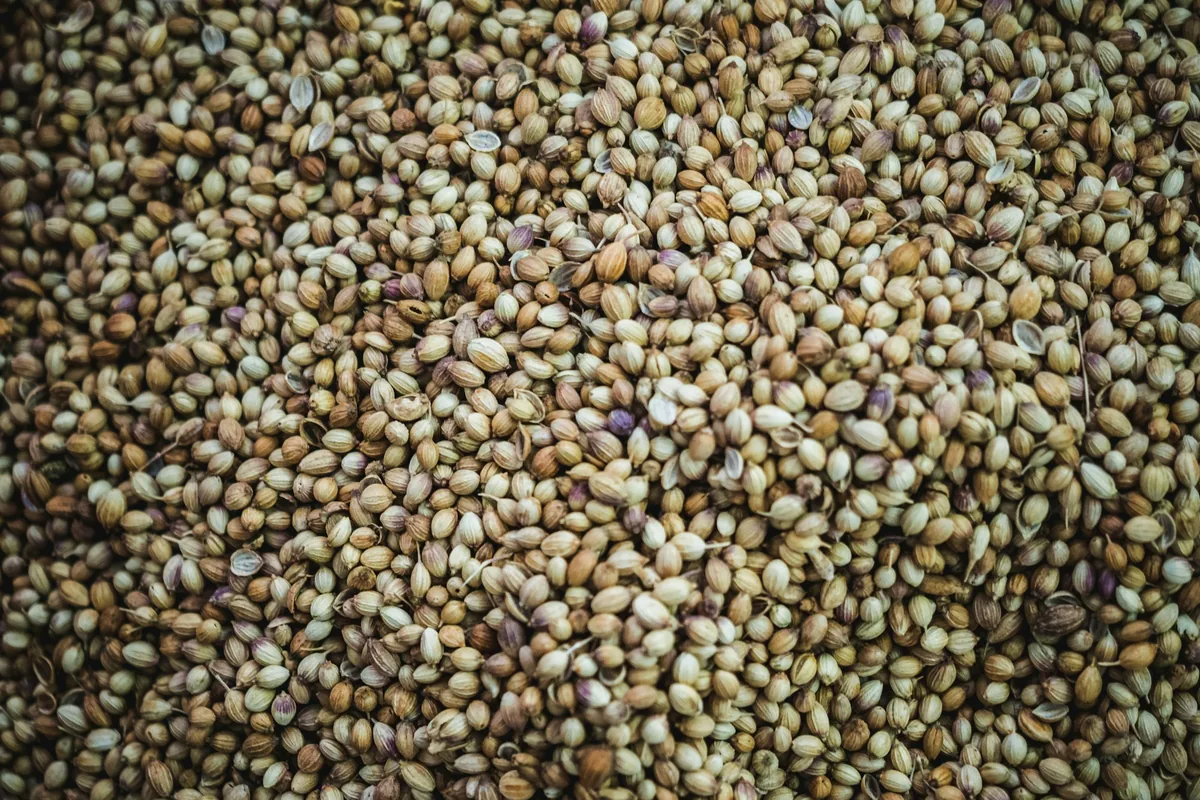
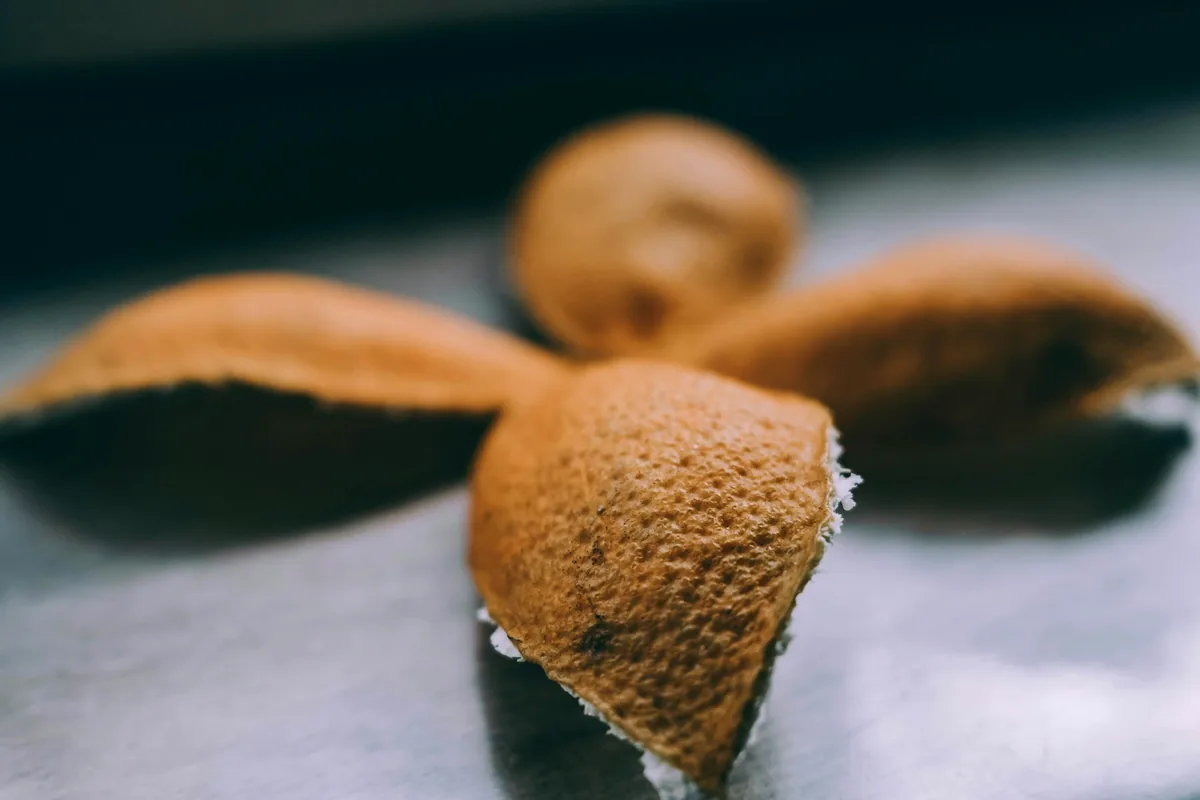
The spicing is the signature and it is genuinely old. Before hops dominated European brewing, beers were flavoured with mixed herbs and spices, and witbier is one of the few surviving styles that kept the habit. The orange is traditionally a bitter variety rather than a sweet eating orange.
Very little hop character
Bitterness is deliberately low. On Meyboom’s archived draught list the two witbiers were the least bitter beers on the board — Kronenbourg Blanc at 7 IBU and St. Bernardus Wit at 15, against 40 for the pilsner. If you want a sense of how little bitterness that is, see what the numbers on a beer list actually mean.
The style nearly disappeared
Witbier is not an unbroken tradition. By the 1950s the style had collapsed, and the last witbier brewery in Hoegaarden closed in 1957. For about a decade, the beer effectively did not exist.
It came back because of one person. Pierre Celis, a milkman in Hoegaarden who had worked at the old brewery, started brewing it again in the 1960s in a shed, from memory and old recipes. It worked, it grew, and the style went global — which is why the beer in most people’s mental image of a witbier is the one from his village.
Celis later moved to the United States and founded a brewery in Austin, Texas, which is a genuinely odd footnote for a medieval Flemish beer style. The Brewers Association style description reflects how thoroughly the style has since been adopted by American brewers.
Witbier versus the beers it gets confused with
| Witbier | Hefeweizen | American wheat | |
|---|---|---|---|
| Origin | Belgium | Germany | United States |
| Grain | Unmalted wheat and barley | Malted wheat and barley | Malted wheat and barley |
| Spiced | Yes – coriander and orange peel | No | Usually not |
| Flavour comes from | Spice and yeast | Yeast alone: banana, clove | Clean yeast; often hops |
| Appearance | Cloudy, very pale, white head | Cloudy, gold to amber | Hazy to clear |
| Typical strength | Around 5% ABV | Around 5% ABV | Around 4-5% ABV |
The confusion with German hefeweizen is the common one. Both are cloudy pale wheat beers, and they taste nothing alike: hefeweizen gets banana and clove from its yeast and contains no spice at all, while witbier gets citrus and pepper from actual coriander and orange peel.
The glass, and the last inch of the bottle
Witbier has its own glass: a short, thick, straight-sided tumbler, usually hexagonal, and noticeably heavy for its size. It is not a stemmed glass like most Belgian ales get, because witbier is meant to be drunk cold and reasonably quickly rather than warmed and contemplated. The thick walls hold the chill; the wide mouth gives the big white head somewhere to sit.
If you are pouring from a bottle, there is a step worth knowing. Witbier is bottle-conditioned, so yeast settles at the bottom. The Belgian habit is to pour most of the beer, then swirl the last inch to rouse the sediment and add it — that yeast is carrying much of the flavour and all of the haze. Leave it behind and you get a thinner, clearer, less interesting beer.
Why it is cloudy on purpose
Almost every other beer style treats haze as a fault to be filtered out. Witbier is built around it, and there are two sources.
The first is protein from the unmalted wheat, which stays suspended and scatters light. The second is yeast, because the beer is not filtered. Together they give the style the pale, milky look the name describes — wit being Flemish for white.
This is worth knowing because a clear witbier has usually been filtered for shelf appeal, and filtering takes flavour with it.
What to eat with it
Witbier is one of the most food-friendly beers there is, because it is light, acidic and low in bitterness — it gets out of the way.
- Mussels. The classic. The beer’s acidity does what a squeeze of lemon does.
- Fresh and soft cheeses. Goat cheese especially. A heavier beer flattens them.
- Fried fish. Carbonation and citrus against batter.
- Salads and anything herbal. The coriander picks up green, grassy flavours.
Avoid pairing it with anything heavily roasted or caramelised. It has nothing to answer with.
Frequently asked questions
Is witbier the same as hefeweizen?
No. Both are cloudy wheat beers, but witbier is Belgian and spiced with coriander and orange peel, while hefeweizen is German, unspiced, and gets its banana and clove notes purely from yeast. German purity law would not permit the spices.
Why is witbier cloudy?
Unmalted wheat carries a lot of protein, which scatters light, and the beer is usually unfiltered so yeast stays in suspension. It is intentional.
Should you put an orange slice in a witbier?
Belgian brewers generally say no — the beer already contains orange peel, and a fresh wedge adds acidity and kills the head. The garnish is largely an American serving habit. Drink it however you prefer, but it is not traditional.
Is Blue Moon a witbier?
It is brewed as a Belgian-style wheat beer with coriander and orange peel, so it sits in the style. Whether it tastes like a Belgian witbier is a separate argument, and one people enjoy having.
What temperature should witbier be served at?
Cooler than most Belgian ales — around 4-7C. It is one of the few Belgian styles that genuinely benefits from being cold.
Where to go next
Witbier is the gentlest way into Belgian brewing, and almost everything else on a Belgian list is stronger and stranger. Our guide to Belgian beer styles covers the ladder from single to quadrupel, and lambic, kriek and Belgian sour beer covers the tart end. The witbiers Meyboom poured are on the archived beer list.