In December 2016 UNESCO added Belgian beer culture to its Representative List of the Intangible Cultural Heritage of Humanity, alongside falconry, Neapolitan pizza-making and the Argentine tango. It is regularly reported as “Belgian beer is a world heritage site”, which is wrong in every particular, and the actual thing is more interesting.
The short answer
UNESCO did not list Belgian beer. It listed beer culture in Belgium — the practices around making, serving and drinking it. The inscription confers recognition, not protection: it creates no legal status, no appellation, and no restriction on what anyone may brew.
Intangible, and why that matters
There are two different UNESCO lists and they are constantly confused.
World Heritage covers places — the Grand-Place in Brussels is on it. It applies to a site with a boundary you can draw.
Intangible Cultural Heritage covers living practice: knowledge, craft, ritual, performance. It exists precisely because the older list could not accommodate things with no address. A tradition is inscribed when a community demonstrates that it is living, transmitted between generations, and gives them a sense of identity.
Belgian beer sits on the second, which is why the object of the listing is the culture rather than the liquid. The nomination describes brewing knowledge passed down, beer’s role in daily and festive life, the cafés, the pairing with food, the beer-washed cheeses, and the guilds and brewers’ organisations that carry it.
What the file actually says
Reading the UNESCO inscription for beer culture in Belgium, several things stand out that the press coverage skipped.
It counts roughly 1,500 types of beer produced using different fermentation methods — which is a statement about diversity of technique, not just of brand. It singles out the spontaneous and mixed fermentations that make lambic and Flanders red possible, covered in what a lambic actually is.
It names the Trappist communities that brew and direct profits to charity — the subject of which breweries actually hold the Trappist label.
And, unusually for a heritage document, it explicitly notes that brewers’ organisations work with communities to advocate responsible consumption. A listing about alcohol that says so in its own text is worth noticing.
What it does not do
This is where most of the confusion lives, so it is worth being blunt.
- It protects nothing. There is no legal consequence. Anyone anywhere may brew a Belgian-style beer and call it that.
- It is not a quality mark. Individual beers are not “UNESCO listed”, and any bottle implying otherwise is misusing the word.
- It is not an appellation. Unlike champagne or Parma ham, there is no geographic restriction attached.
- It does not freeze anything. Intangible heritage is explicitly meant to keep changing; a tradition preserved in aspic would fail the test of being living.
What it does is give a state a formal reason to support the practice, and give the practitioners standing. Belgium has used it in tourism and education, and the brewers have used it in marketing, which is roughly what everyone expected.
What safeguarding actually commits a state to
Inscription is not purely ceremonial, even if it carries no legal force. A state that nominates a practice accepts an obligation under the 2003 Convention to help keep it alive — inventorying it, supporting transmission, and reporting periodically on what it has done.
In practice that means research funding, museum and education work, and support for the small producers who hold the rarer techniques. It also means the practice can, in principle, be moved to the separate list of heritage in urgent need of safeguarding if it starts to disappear.
The convention is careful about one thing in particular: it is not there to freeze a tradition. Intangible heritage is defined as something constantly recreated by the communities that hold it, so a brewery inventing a new style is participating in the tradition rather than diluting it.
Why Belgium and not somewhere else
Germany brews more beer. The Czech Republic drinks more per head. Britain has a continuous pub tradition of comparable age. So why Belgium?
Partly technique. Belgium sustained a range of fermentation methods that industrialisation eliminated almost everywhere else — spontaneous fermentation in open vessels, mixed cultures, long wood maturation, refermentation in the bottle. That is genuine, unusual, and fragile, and fragility is close to the heart of what the list is for.
Partly breadth. The nomination is not about one style but about a country in which the beer, the glass, the café, the food and the calendar are all connected — the kind of case set out in Flanders and Wallonia.
And partly because Belgium applied. The list is not a survey of the world; it is a register of what states have nominated and committees have accepted.
What “culture” means here in practice
| Practice | What the inscription points to |
|---|---|
| Fermentation methods | Spontaneous, mixed and warm fermentation kept alive side by side |
| The café | Beer drunk in a social room, not only at home |
| Glassware | A specific glass per beer, and the ritual around it |
| Food | Beer cooked with, and beer-washed cheeses |
| Monastic brewing | Trappist production with profits directed to charity |
| Festivals | Beer embedded in the civic calendar |
| Moderation | Brewers’ organisations advocating responsible consumption |
Every row is a habit rather than a product, which is the distinction the inscription turns on.
What that looked like on a real list
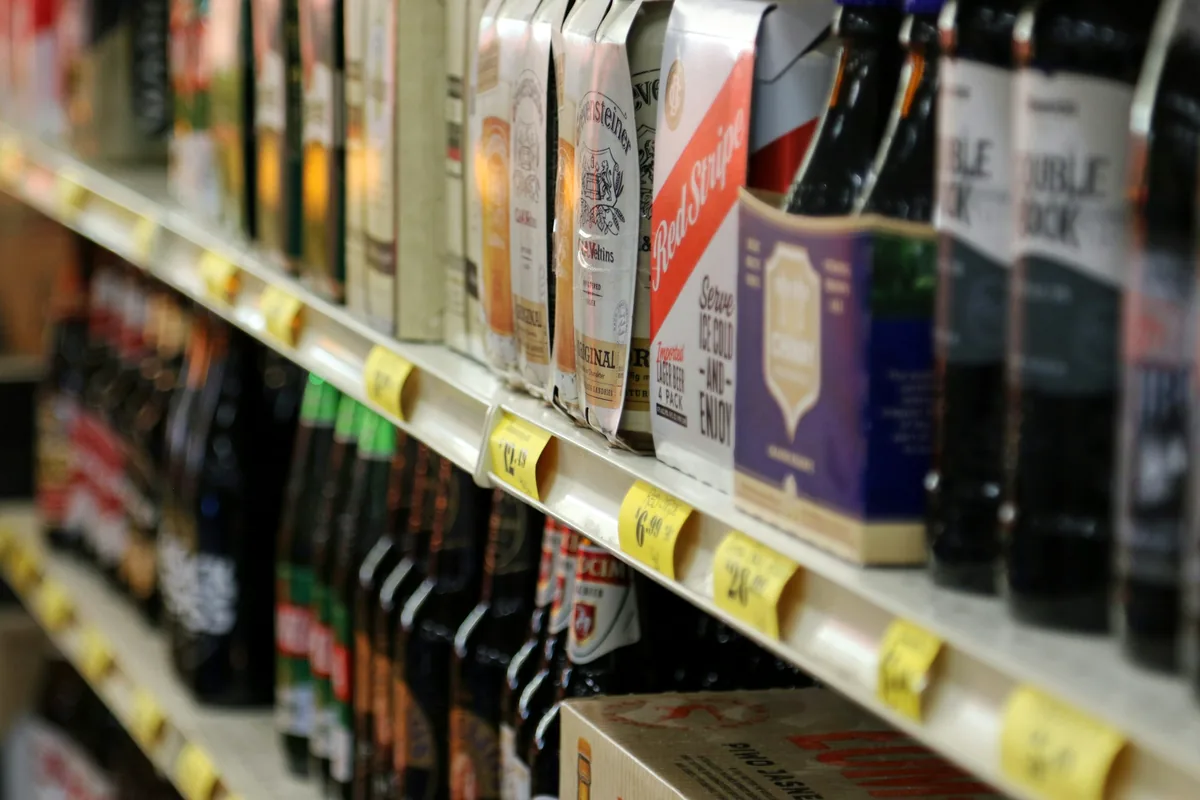
An archive of one Belgian bar in Dallas is a small piece of evidence for a large claim, but it is evidence. Meyboom’s archived lists carried seventy beers across two menus, spanning spontaneous fermentation (four Lindemans lambics), mixed-culture wood maturation (Rodenbach Classic and Grand Cru), Trappist production (Chimay, Orval, Westmalle, the Rocheforts), bottle refermentation throughout, and beers served in their own branded glassware.
That is the UNESCO file’s list of practices, reproduced by a bar seven thousand kilometres from Brussels. The transmissibility is the point. Both lists are still on the site: the beer list and the bottle list.
Frequently asked questions
Is Belgian beer a UNESCO World Heritage Site?
No. Beer culture in Belgium is on the Intangible Cultural Heritage list, which covers living practices rather than places. World Heritage is the other list.
When was Belgian beer culture inscribed?
December 2016, on the Representative List of the Intangible Cultural Heritage of Humanity.
Does the listing protect Belgian beer legally?
No. It carries recognition and a commitment to safeguarding, but no legal protection, no appellation and no restriction on brewers elsewhere.
Can a beer be “UNESCO certified”?
No. The inscription covers a culture, not products. No individual beer is certified by it.
Are other beer cultures on the list?
Belgian beer culture was the first of its kind to be inscribed. Other food and drink traditions are listed separately, each on its own nomination.
The short version
UNESCO recognised what Belgians do with beer, not the beer itself, and recognition is all it is — no protection, no appellation, no certification. The reason Belgium qualified is that it kept techniques the rest of the world industrialised away.
Related: what a Belgian brasserie actually is and the Meyboom.