Most Belgian beer is sour because someone made a decision. Lambic is sour because of where it was left overnight.
The short answer
A lambic is a Belgian beer fermented by wild yeast and bacteria from the open air rather than a pitched brewer’s strain, then matured in wood for months or years. The result is dry, tart, still and slightly funky. Kriek is lambic refermented on cherries; framboise is lambic refermented on raspberries.
The catch: many fruit lambics sold internationally are sweetened after fermentation and taste much more like fruit soda than the traditional article. Both exist, both are legitimate, and they are very different drinks.
How lambic is actually made
The process is closer to winemaking than to modern brewing, and it is genuinely strange.
- The wort is left open to the air. After boiling, it is pumped into a shallow open vessel called a coolship, usually in the roof space, and left overnight. Wild yeast and bacteria settle into it. Traditionally this happens only in the cooler months, because summer air brings the wrong organisms.
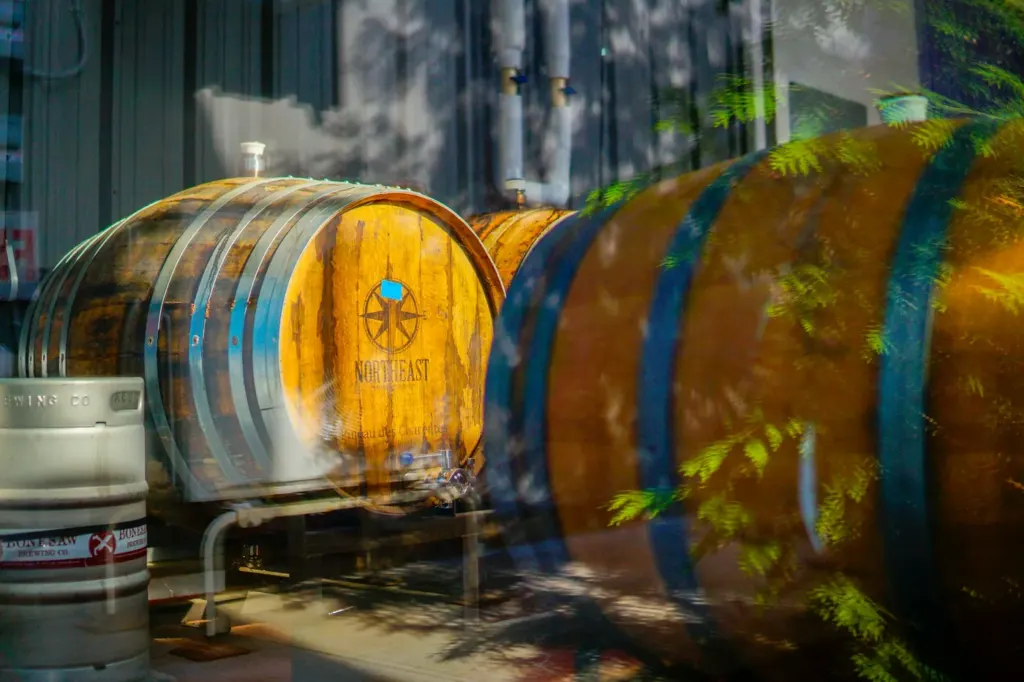
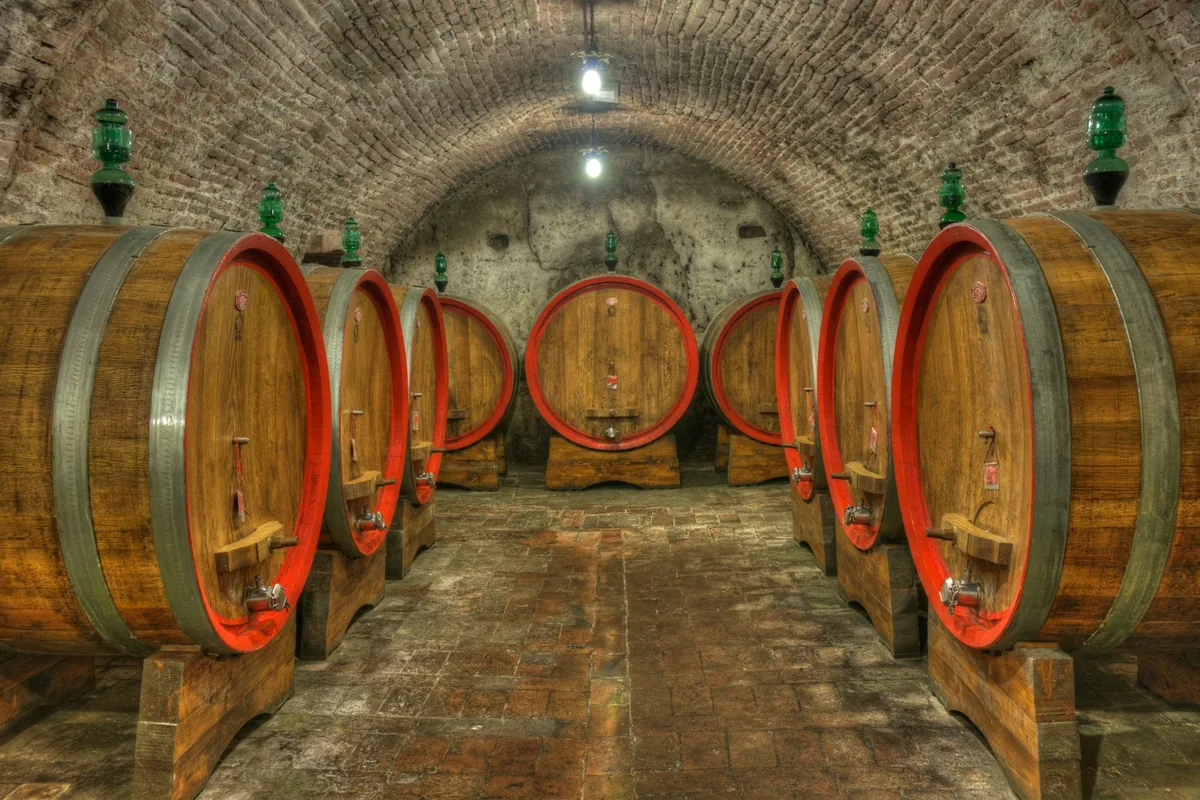
- It ferments in barrel. The inoculated wort goes into oak, where a slow, complicated fermentation runs for months. Different organisms take over in sequence.
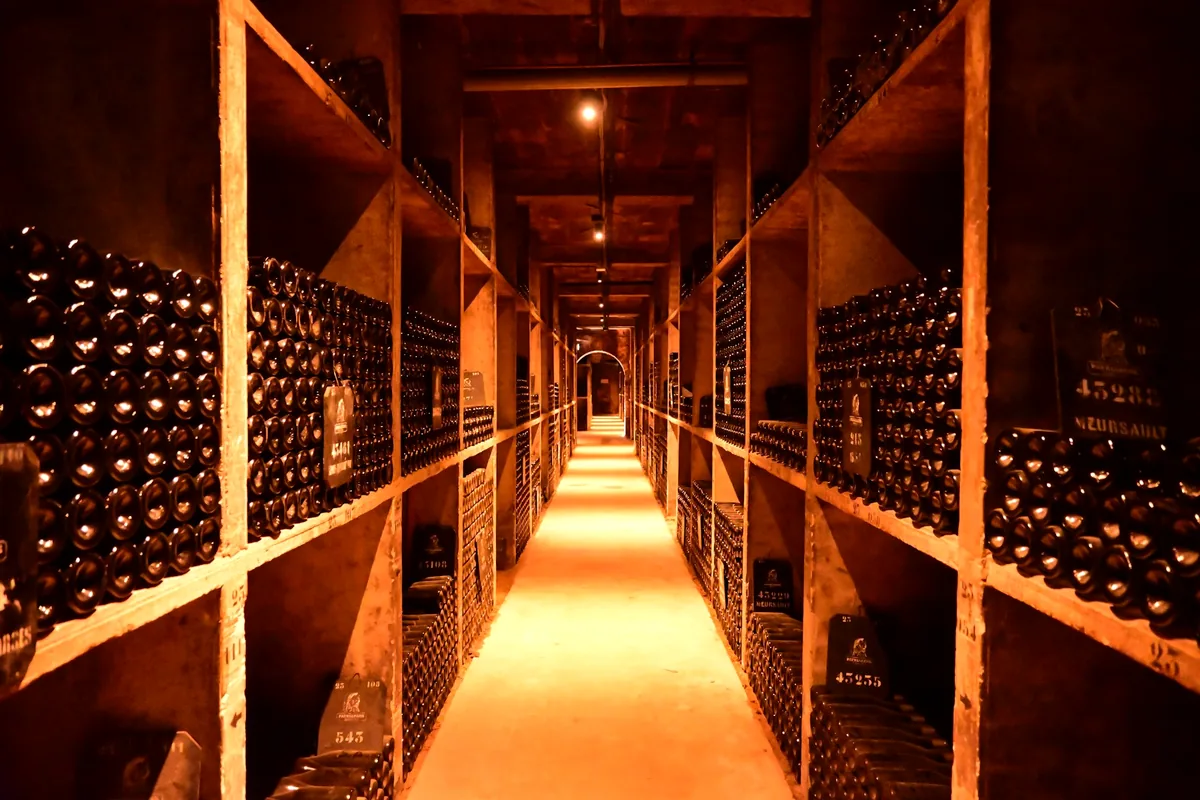
- It matures for a long time. One to three years is normal.
- It is blended. Blending young and old lambic is where the brewer’s skill sits — young lambic still has fermentable sugar, old lambic has the developed character. Blend them in a bottle and you get gueuze, which carbonates itself.
The tradition is regional and protected: it belongs to the Zenne valley around Brussels, and the traditional producers are organised as HORAL, the high council for artisanal lambic beers.
Kriek, framboise and the rest
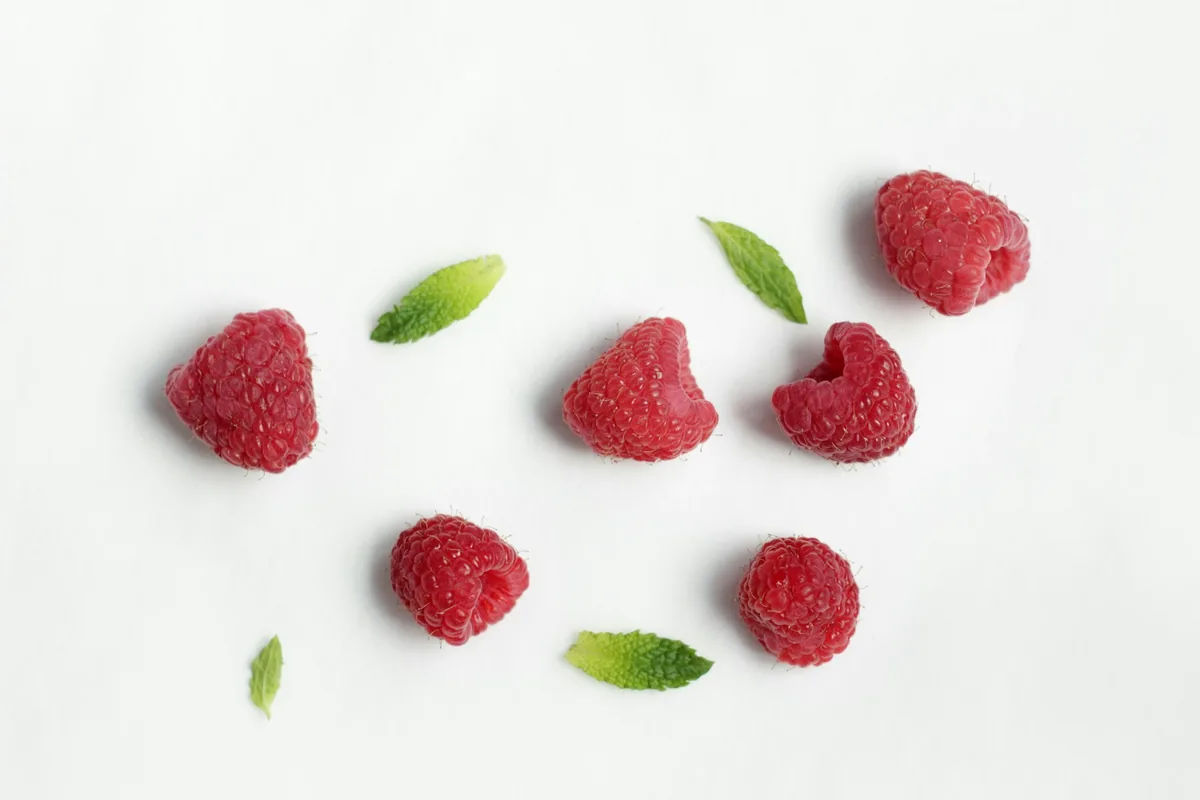
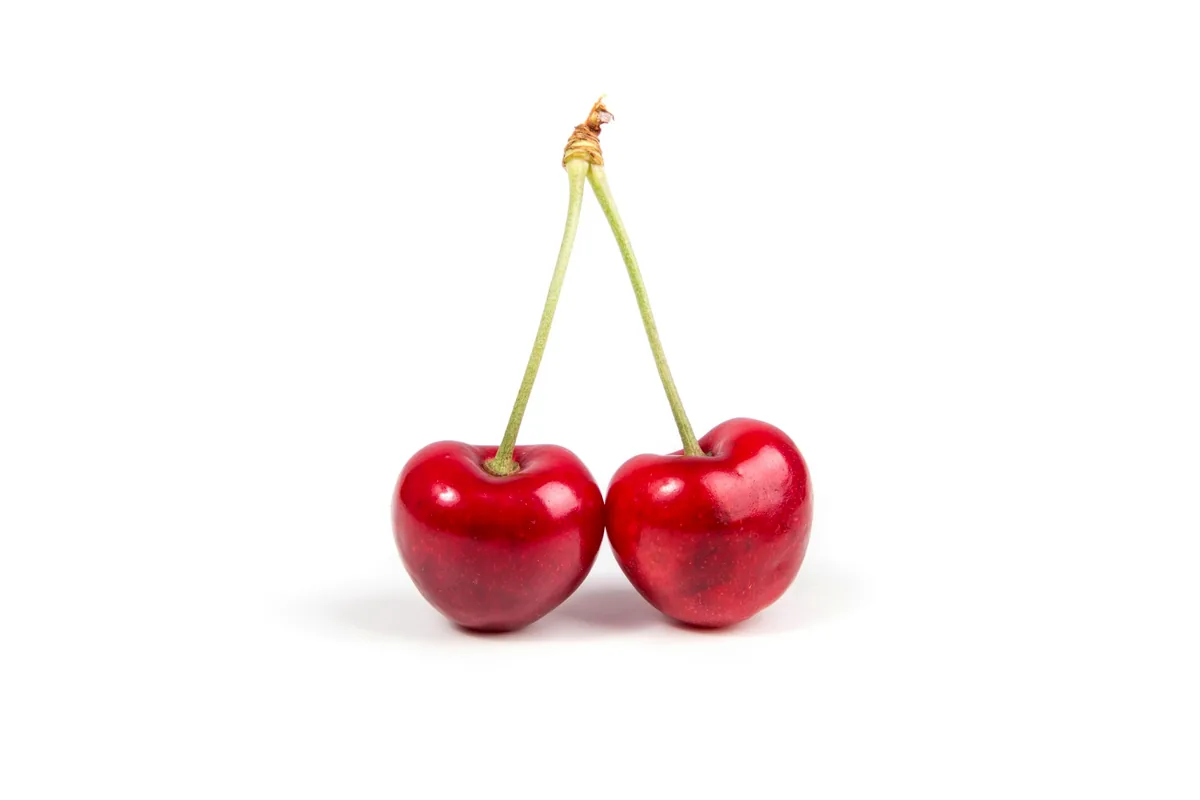
Fruit lambic is made by adding whole fruit to matured lambic and letting it ferment again. The yeast eats the fruit sugar, so a traditional kriek is not sweet — it is dry, sharply tart and deeply coloured, with the fruit showing as aroma and acidity rather than sugar.
The names are simply the fruit: kriek is cherry, framboise raspberry, pêche peach, pomme apple, cassis blackcurrant.
Why the one on the bar list is often sweet
Commercially, most fruit lambic exported outside Belgium is back-sweetened and filtered, and often sits around 2.5–4% ABV. It is pink, fizzy, sweet and extremely approachable — a gateway beer, and unapologetically so.
A traditional oude kriek is none of those things. It is bone dry and can be startling on first taste.
Meyboom’s bottle list carried the sweetened style across four fruits — framboise, kriek, pêche and pomme, all from Lindemans, all between 2.5% and 3.5% ABV. That is a fair reflection of how these beers reach most bars, and it is worth knowing which version you are being handed.
Lambic is not the only Belgian sour
The other major tradition is Flanders red, and it works differently. It is brewed with a pitched culture rather than wild air, then aged in large oak vessels where lactic bacteria develop a sharp, vinous acidity. Rodenbach is the reference example and appeared on Meyboom’s list in both the standard and Grand Cru versions.
| Traditional lambic / gueuze | Sweetened fruit lambic | Flanders red | |
|---|---|---|---|
| Fermented by | Wild yeast from the open air | Wild, then sweetened afterwards | A pitched culture, then wood-aged |
| Taste | Dry, tart, slightly funky | Sweet, fruity, soft | Sharp, vinous, tart |
| Typical strength | Around 5-6% ABV | Around 2.5-4% ABV | Around 5-6% ABV |
| Carbonation | High in gueuze, still in straight lambic | High | Moderate |
| Look for | The word oude | Fruit name on a bright label | Flanders red or Flemish red |
| On Meyboom’s list | – | Lindemans framboise, kriek, peche, pomme | Rodenbach Classic and Grand Cru |
Why lambic is seasonal
Traditional lambic can only be brewed in the cooler months, and that is not romanticism — it is microbiology. The wort is left open to the air overnight, so whatever is in that air ends up in the beer. In summer the wrong organisms dominate and the result is undrinkable.
The brewing season therefore runs roughly October to April. Everything sold in between was made earlier and has been sitting in barrel, which is a large part of why the category is small and why it resists scaling.
How to order your first one
- If you want easy: a sweetened fruit lambic. Low alcohol, no challenge, genuinely pleasant.
- If you want the real thing: ask for an oude kriek or an oude gueuze. The word oude is the signal that it is traditional and unsweetened.
- If you want sour but not wild: a Flanders red. Sharp and tart without the barnyard character.
- Serve it cool, not cold, and in a flute or a tulip — these beers show a lot of aroma.
Frequently asked questions
Is lambic beer sour?
Yes, traditionally — dry, tart and lightly funky, from wild yeast and bacteria rather than added acid. Commercially sweetened fruit lambics are much less so.
Does lambic go with food?
Unusually well. Its acidity does the job vinegar or lemon does on a plate, so it cuts through fat and salt where a malty beer would simply add weight. Pair it with rich charcuterie, fried food or strong cheese.
What is the difference between lambic and gueuze?
Gueuze is a blend of young and old lambic bottled together. The young lambic still contains fermentable sugar, so the blend carbonates in the bottle. All gueuze is lambic; not all lambic is gueuze.
Is kriek the same as cherry beer?
Not necessarily. Kriek specifically means a lambic refermented on cherries. Plenty of cherry beers are ordinary ales with cherry flavouring, which is a completely different drink.
Why is lambic so low in alcohol?
Sweetened commercial fruit lambics are low — often 2.5–4%. Traditional gueuze and oude kriek are usually 5–6%, which is unremarkable. The low figures come from the sweetened style, not from lambic as such.
What does oude mean on a lambic label?
Old, and in practice it is a protected signal that the beer is made traditionally and not back-sweetened. If you want the authentic version, look for that word.
Where to start
A sweetened kriek is a fine first sour and no one should be sniffy about it. But try an oude gueuze next to it once, because they are barely the same category, and the difference is the most interesting thing in Belgian brewing.
For the rest of the spectrum, see Belgian beer styles explained. Sours also do things at the table that other beers cannot — a Flanders red will cut through fat that defeats everything else, as covered in how to pair Belgian beer with cheese. The bottles Meyboom carried are on the archived bottle list.