

Three sparkling wines, three countries, and one technical difference that explains almost everything else about them — including which one belongs in a spritz.
The short answer
Champagne is from Champagne in France, fermented a second time inside the bottle, aged on its yeast for at least fifteen months. Toasty, complex, expensive.
Cava is from Spain, made by the same in-bottle method with a nine-month minimum. Similar structure, different grapes, a fraction of the price.
Prosecco is from north-east Italy, fermented in a pressurised tank rather than the bottle. Fruitier, softer, simpler, cheapest.
The difference that causes the others
All sparkling wine is made by trapping the carbon dioxide from a second fermentation. Where that fermentation happens is the whole argument.
In the bottle — champagne and cava
The wine is bottled with a little sugar and yeast, ferments again inside the sealed bottle, and then sits for months or years on the spent yeast cells. Those cells break down and give the wine bready, nutty, biscuit-like flavours. The bubbles come out fine and persistent.
It is slow, it ties up warehouse space, and every bottle has to be handled individually. That is what you are paying for.
In a tank — prosecco
The second fermentation happens in one large pressurised vessel and the wine is bottled under pressure afterwards. It is quick, it scales, and crucially the wine spends almost no time on the yeast — so nothing bready develops and the fresh grape character survives intact.
This is not a lesser method, it is a different goal. Prosecco is supposed to taste of pear and green apple, and tank fermentation is how you keep that.
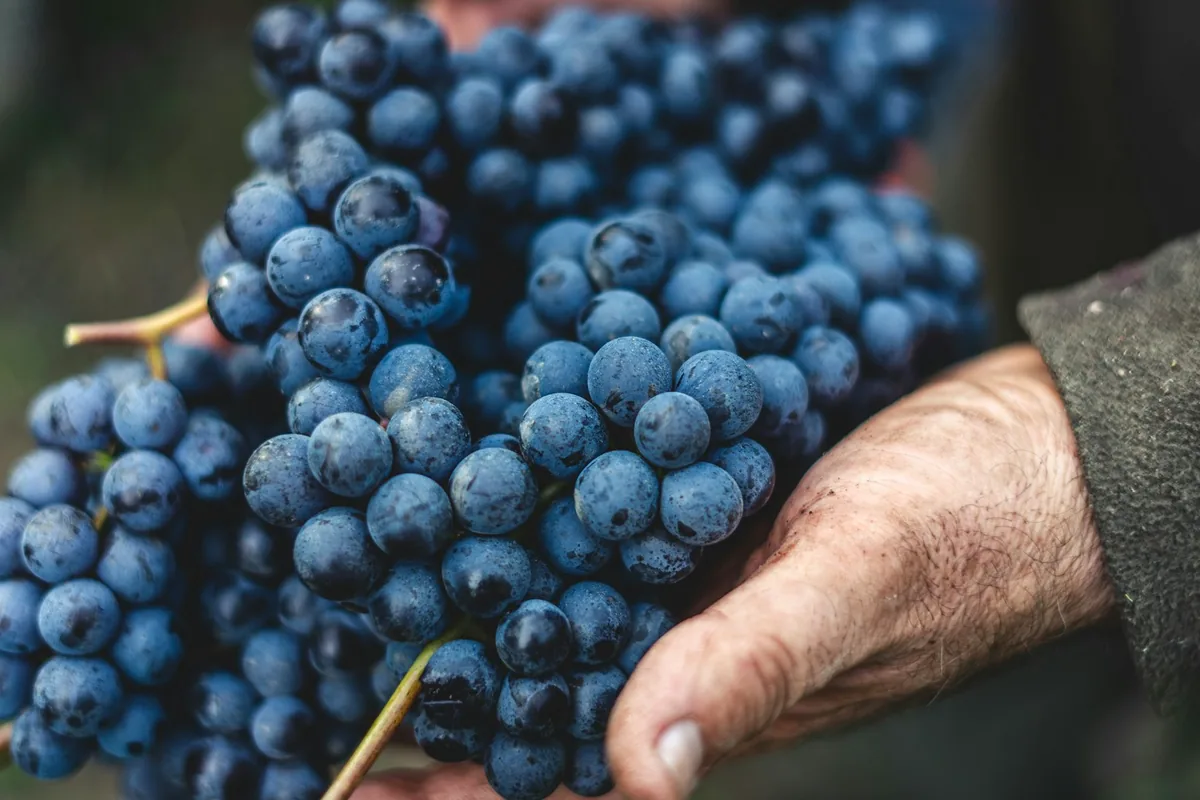
Side by side
| Champagne | Cava | Prosecco | |
|---|---|---|---|
| Where | Champagne, France | Mostly Catalonia, Spain | Veneto and Friuli, Italy |
| Second fermentation | In the bottle | In the bottle | In a pressurised tank |
| Minimum ageing on yeast | 15 months | 9 months | Effectively none |
| Grapes | Chardonnay, pinot noir, pinot meunier | Macabeo, parellada, xarel-lo | Glera |
| Flavour | Toast, brioche, citrus, almond | Citrus, quince, a touch of bready depth | Pear, green apple, floral |
| Bubbles | Fine and persistent | Fine and persistent | Softer, frothier |
| Best use | On its own | On its own or in cocktails | Spritzes and easy drinking |
The Spanish regulator, the DO Cava, is unsurprisingly keen to point out that cava shares its method with champagne and not with prosecco. On this it is simply correct.
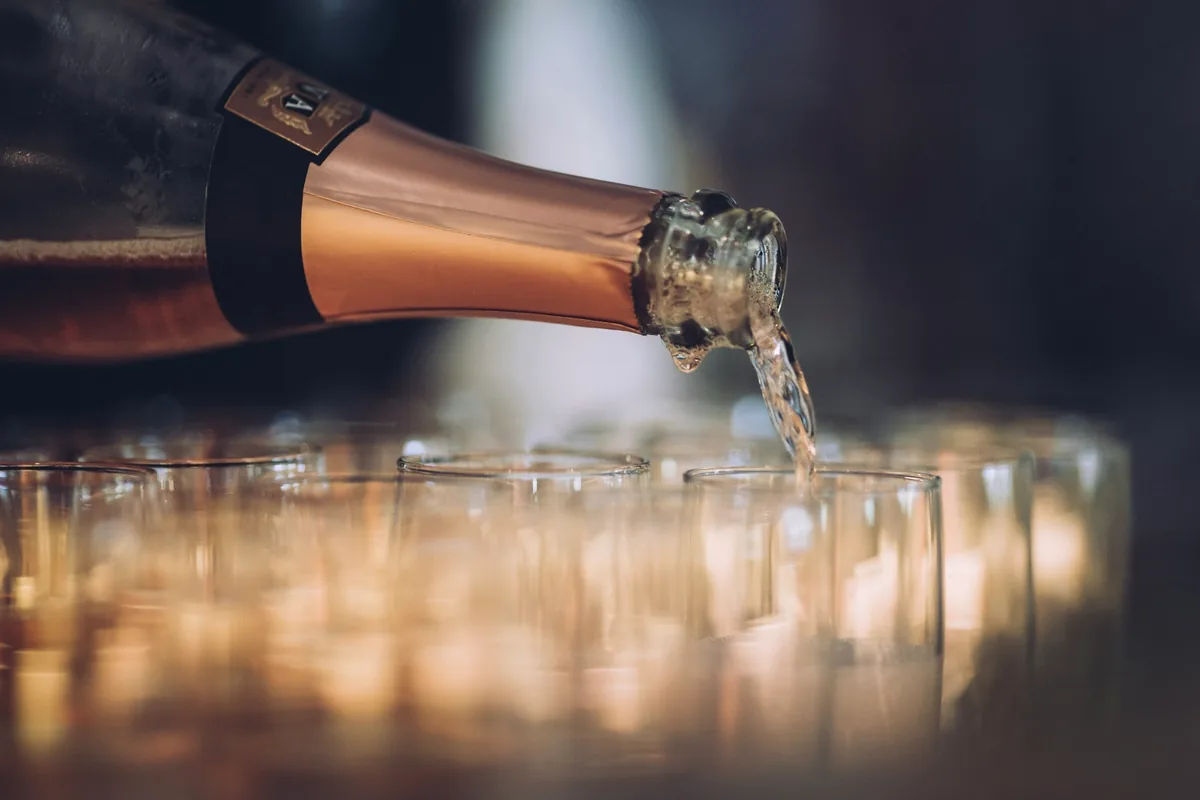
Which one goes in a cocktail?
This is where the comparison stops being academic, and the answer is usually cava.
- Champagne is wasted. The fifteen months on yeast that make it worth the money are exactly what disappears under Aperol, gin or fruit liqueur. Paying for complexity you are about to bury is the definition of a bad cocktail decision.
- Prosecco can be too soft. Its gentler bubbles and residual sweetness suit some drinks and get lost in others — fine in a spritz, less good where you want a dry backbone.
- Cava is usually right. Dry, firm, properly bottle-fermented, with enough structure to hold up against a bitter liqueur, and cheap enough that using it by the bottle is not painful.
Meyboom Brasserie’s archived cocktail list bears this out. Freixenet cava appears in three drinks — the Aperol Spritz, the French 75, and the Rasbini, which topped it with Lindemans framboise. Not a champagne in sight, and no reason there should have been. If the framboise is unfamiliar, our guide to lambic and kriek covers what it is.
The rest of the field
Three names dominate the conversation and there are several more worth knowing, most of which sit somewhere between them on method and price:
- Cremant — French sparkling wine made by the champagne method outside Champagne. Cremant de Bourgogne and Cremant de Loire are frequently the best value on a wine list.
- Franciacorta — Italy’s bottle-fermented answer to champagne, from Lombardy. Far closer to champagne than prosecco is, and priced accordingly.
- Sekt — German sparkling, mostly tank-fermented and often riesling-based, so aromatic and sometimes off-dry.
- English sparkling — bottle-fermented, from the same chalk geology as Champagne, and now genuinely competitive.
- Pet-nat — bottled before the first fermentation finishes, so it is cloudy, unpredictable and lightly fizzy. Interesting; not for cocktails.
How to store and open a bottle
Sparkling wine is more fragile than its pressure suggests. Two habits matter more than anything else:
- Chill it properly. Around 6-8C. A warm bottle foams over on opening and loses a third of its carbonation before anyone has a glass.
- Do not pop it. Hold the cork, twist the bottle, and let the cork out with a sigh rather than a bang. The noise is escaping carbonation you paid for.
Once open, a stopper will keep a bottle drinkable for a day or two in the fridge. The teaspoon-in-the-neck trick does nothing.
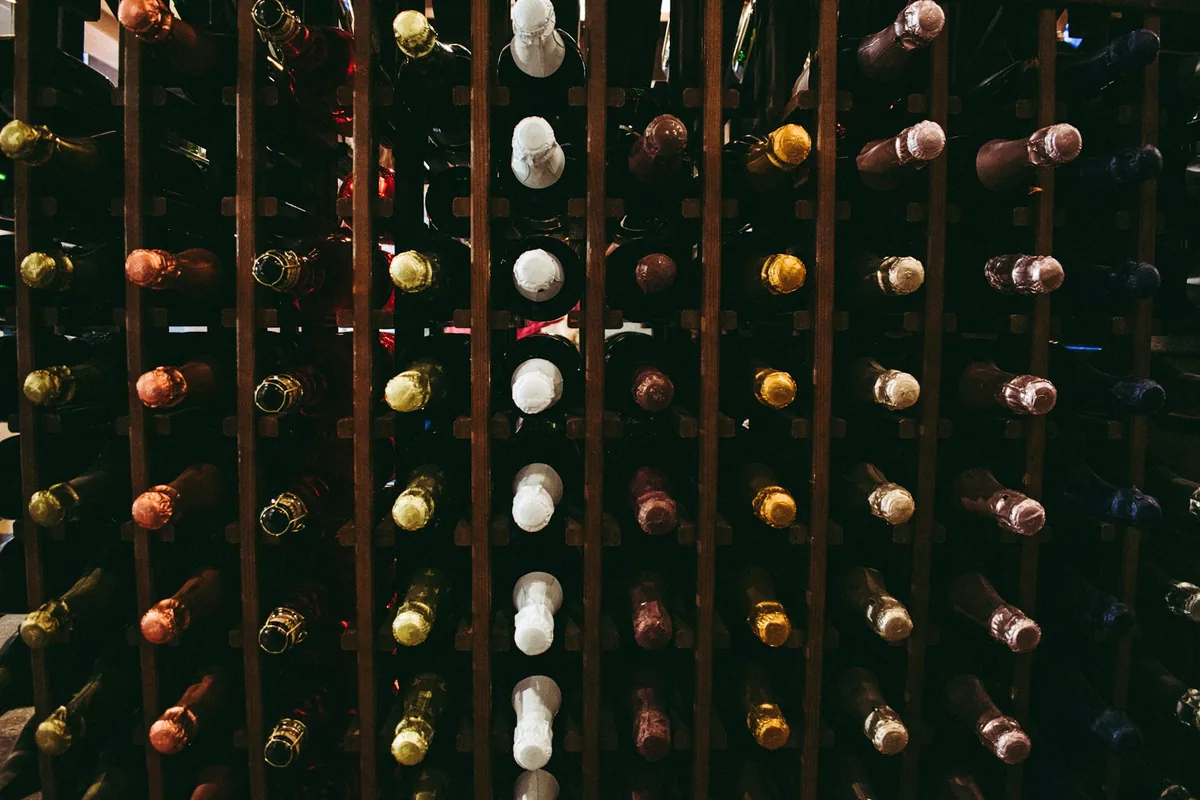
Reading the label
Two terms are worth knowing because they change the drink more than the country does:
- Brut — dry. What you want almost always, and certainly in a cocktail.
- Extra dry — confusingly, sweeter than brut. The scale runs brut nature, extra brut, brut, extra dry, sec, demi-sec, doux, from driest to sweetest.
On cava, the ageing tiers are also on the label: plain cava at nine months, Reserva at eighteen, Gran Reserva at thirty. A Reserva cava for the price of a supermarket prosecco is the best value in sparkling wine.
Frequently asked questions
Is cava as good as champagne?
Made the same way, from different grapes in a warmer climate. Good cava beats cheap champagne comfortably. Top champagne remains a different level, and priced accordingly.
Why is prosecco cheaper?
Tank fermentation is far quicker and far less labour-intensive than fermenting and ageing every individual bottle, and there is no long ageing requirement.
What sparkling wine should I use for a mimosa or a spritz?
A dry cava. It has the structure to stand up to juice or bitter liqueur, and using champagne is money spent on flavours the other ingredients will cover.
Does champagne have to come from Champagne?
Yes. The name is legally protected. Sparkling wine made the same way elsewhere in France is called cremant.
What does “extra dry” mean on a bottle?
Counter-intuitively, sweeter than brut. If you want dry, brut is the word to look for.
The short version
Bottle-fermented means bready and structured; tank-fermented means fruity and fresh. Cava gives you the first at close to the price of the second, which is why it ends up behind so many bars.
For where a glass of something sparkling belongs in a meal, see aperitif vs digestif. The drinks Meyboom built with cava are on the archived cocktail menu.