
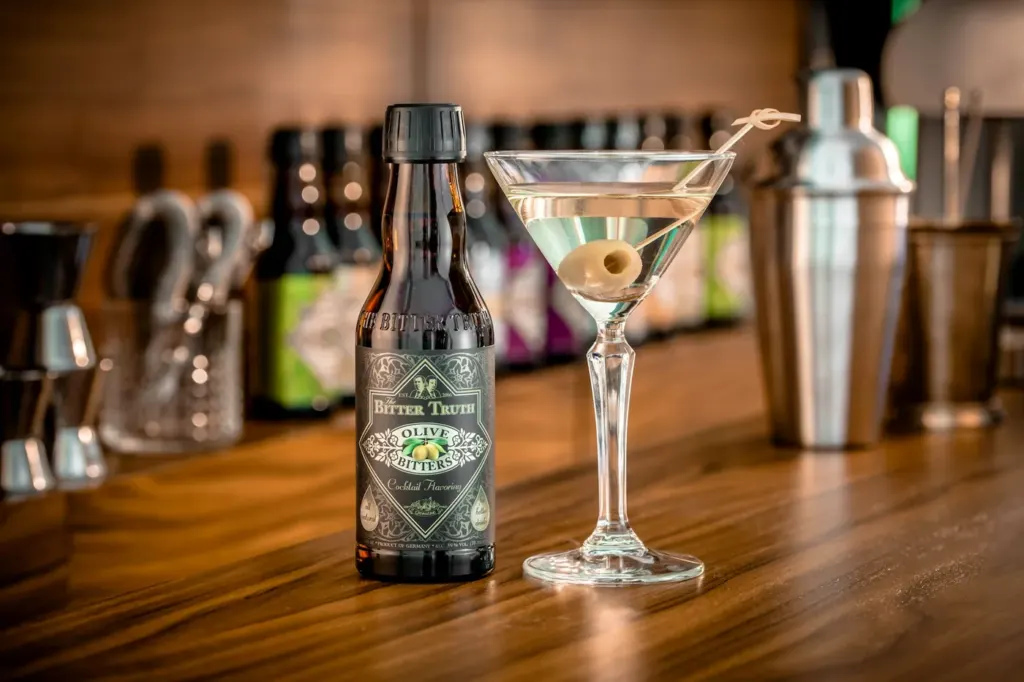
A dash is about a millilitre. It is the smallest measured ingredient in almost any cocktail, and taking it out is instantly obvious.
The short answer
Bitters are concentrated extracts of herbs, roots, barks, seeds and peels, steeped in high-strength alcohol. They are used a few drops at a time and they are not there to make a drink bitter.
They work like salt in cooking: they sharpen and connect the other flavours, add aromatic complexity, and stop a sweet or sour drink tasting flat and one-dimensional.
Why a millilitre matters
Two reasons, and neither is about bitterness.
Aroma
Most of what we call taste is smell, and bitters are overwhelmingly aromatic. A dash on the surface of a drink sits right under your nose as you lift the glass. That is why bitters are often dashed on top of a foam rather than stirred in.
Bridging
A cocktail is usually a small number of loud ingredients — a spirit, something sweet, something sour. Left alone they can sit side by side without combining. Bitters occupy the middle of the palate and pull them into one thing. The technical term bartenders use is that the drink is “bridged” or “seasoned”.
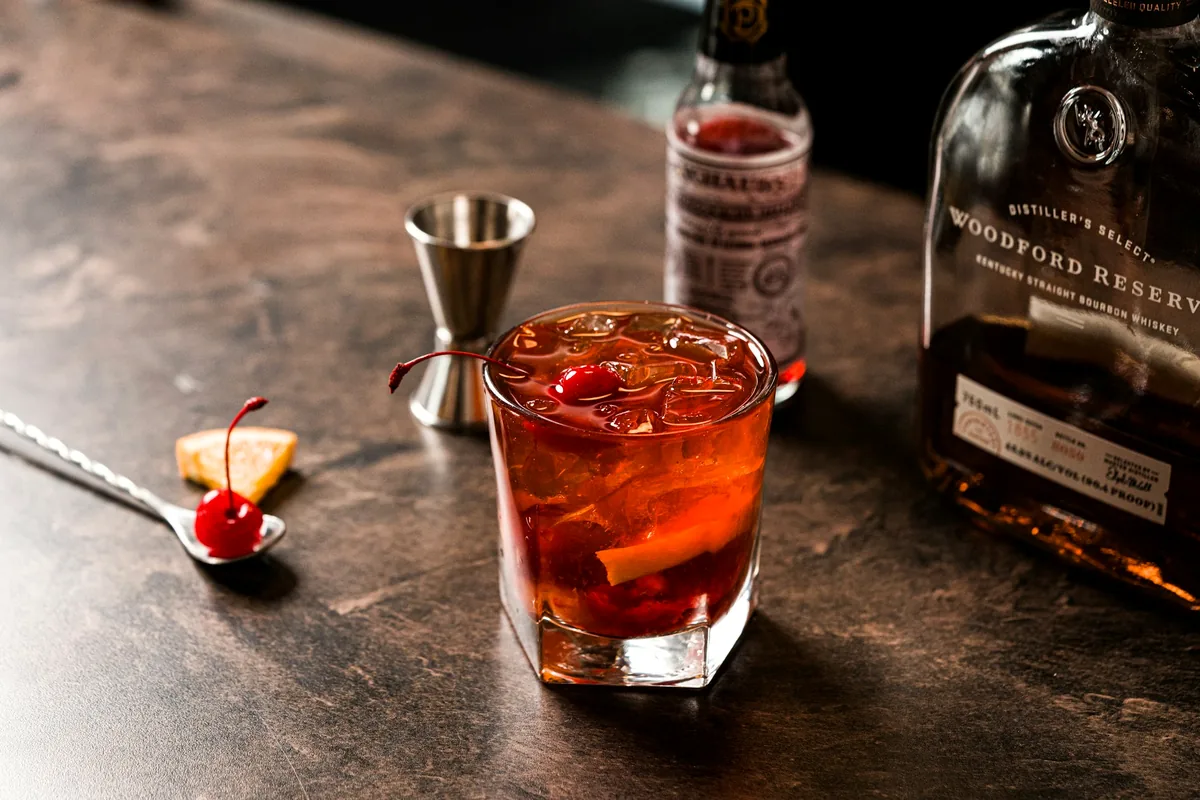
Take the bitters out of an old fashioned and you have sweetened whiskey over ice. Same ingredients, no drink.
They exist because of a loophole
Bitters began as patent medicine, and that is not a colourful aside — it is the reason they survived.
In the nineteenth century, botanical extracts in alcohol were sold as remedies for stomach complaints, fevers and seasickness. Angostura was created in 1824 by a German surgeon working in Venezuela, for exactly that purpose. That the resulting product tasted good in a drink was a side effect.
When American Prohibition arrived in 1920, alcoholic beverages were banned but medicinal preparations were not. Bitters were classified as non-beverage and stayed legal, which is how a handful of brands crossed fourteen years that killed most of the cocktail world. Angostura still trades on a formula it says only a few people know.
By the 1950s the category had shrunk to almost nothing — two or three brands in most bars. The revival since the 2000s has been dramatic, and there are now hundreds.
Why a bottle lasts so long
A dash is roughly a millilitre, and a standard bottle holds around 100 to 200 of them. Used at the rate a home bar actually uses them, that is several years of drinks from one purchase — which is the main reason bitters feel expensive per millilitre and are not expensive in practice.
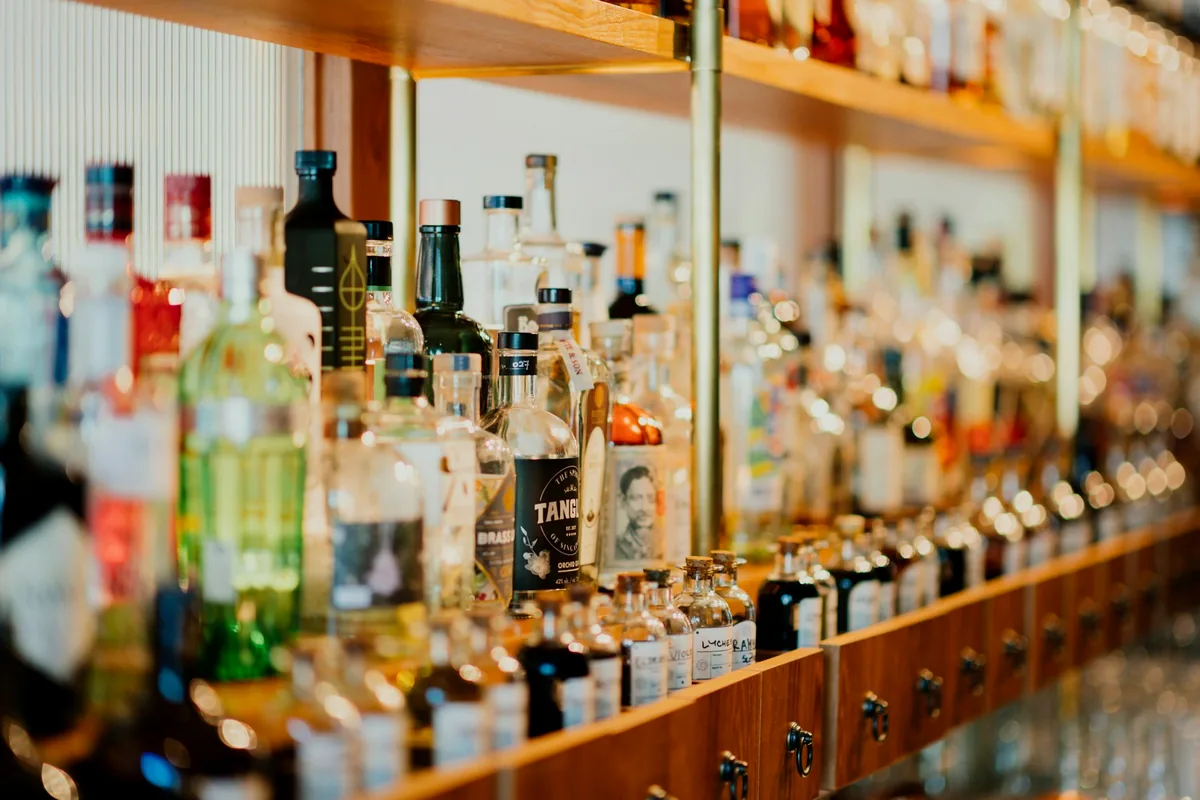
It also explains why bars carry a wall of them. The marginal cost of stocking a tenth variety is close to nothing, and each one opens a handful of recipes. That is a very different economics from stocking a tenth gin.
The main types
| Type | Character | Classic use |
|---|---|---|
| Aromatic (Angostura) | Clove, cinnamon, gentian, dark spice | Old fashioned, manhattan, champagne cocktail |
| Peychaud’s | Anise, cherry, lighter and sweeter | Sazerac, Vieux Carre |
| Orange | Bright citrus peel | Martinis, negronis, rounding out stirred drinks |
| Celery | Savoury, vegetal | Bloody mary, gin and tonic |
| Chocolate or coffee | Roasted, dark | Stirred whisky and rum drinks |
The two that matter most are the two that survived. Angostura is the default aromatic — clove, cinnamon, gentian — and the one meant when a recipe just says “bitters”. Peychaud’s, created by a New Orleans apothecary in the 1830s, is lighter, sweeter and unmistakably anise-and-cherry, and it is what makes a sazerac taste like a sazerac rather than a rye old fashioned.
Meyboom Brasserie’s archived cocktail list used both: aromatic bitters in the Old Fashioned, Peychaud’s in the Sazerac.
Beyond cocktails
Bitters are not confined to a mixing glass, and a bottle bought for one old fashioned a month has more uses than that.
- Soda water and bitters. A few dashes in soda over ice is a proper non-alcoholic drink in its own right, and the traditional bar remedy for an unhappy stomach.
- On top of a foam. Dashed onto an egg white sour, the aroma reaches you before the drink does.
- In cooking. Aromatic bitters behave like a spice blend in liquid form — a few dashes in a braise, a barbecue sauce, or whipped cream for a dessert.
- In coffee. Chocolate or orange bitters in an espresso-based drink works better than it sounds.
Practical notes
- They keep more or less forever. High alcohol, tiny doses. A bottle bought this year will outlast most of your other bottles.
- Start with one. Angostura covers the majority of classic recipes. Orange bitters is the sensible second.
- A dash is a dash. The dasher top on the bottle is calibrated; upend it once, firmly. Counting drops is a route to an over-bittered drink.
- Try one on its own, once. Put a dash on the back of your hand. It is unpleasant neat and instructive about what it is contributing.
Frequently asked questions
Do bitters make a cocktail taste bitter?
No, not at the quantities used. A dash or two adds aroma and depth. You would need vastly more before bitterness became the dominant note.
How many bottles do I actually need?
One. Angostura covers the overwhelming majority of classic recipes, and a second bottle of orange bitters covers most of the rest. Everything beyond that is refinement rather than necessity, and a wall of half-used bottles is the most common way a home bar wastes money.
Do bitters need refrigerating?
No. Store them upright at room temperature, away from direct sun. The alcohol does all the preserving that is required.
Are bitters alcoholic?
Yes — typically around 35-45% ABV. But a dash contributes a negligible amount of alcohol to a drink, which is why they were historically classified as non-beverage.
What is the difference between Angostura and Peychaud’s?
Angostura is darker and spicier, leaning clove and cinnamon. Peychaud’s is lighter and brighter, with a distinct anise and cherry character. They are not interchangeable.
Do bitters expire?
Not meaningfully. The alcohol content preserves them indefinitely, though the aromatics will slowly fade over many years.
Can you make a cocktail without bitters?
You can make a drink. Whether it is the same cocktail is another question — in an old fashioned or a manhattan the bitters are structural rather than optional.
Worth knowing
If you own one bottle of anything for making drinks at home after the spirits, make it Angostura. It is cheap, it lasts, and it is the difference between a cocktail and a mixed drink.
For the drink that leans hardest on them, see the Sazerac. For the other unusual bottle in that recipe, what absinthe actually is. And for how the medicinal-tonic story runs through the rest of the drinks list, aperitif vs digestif.