
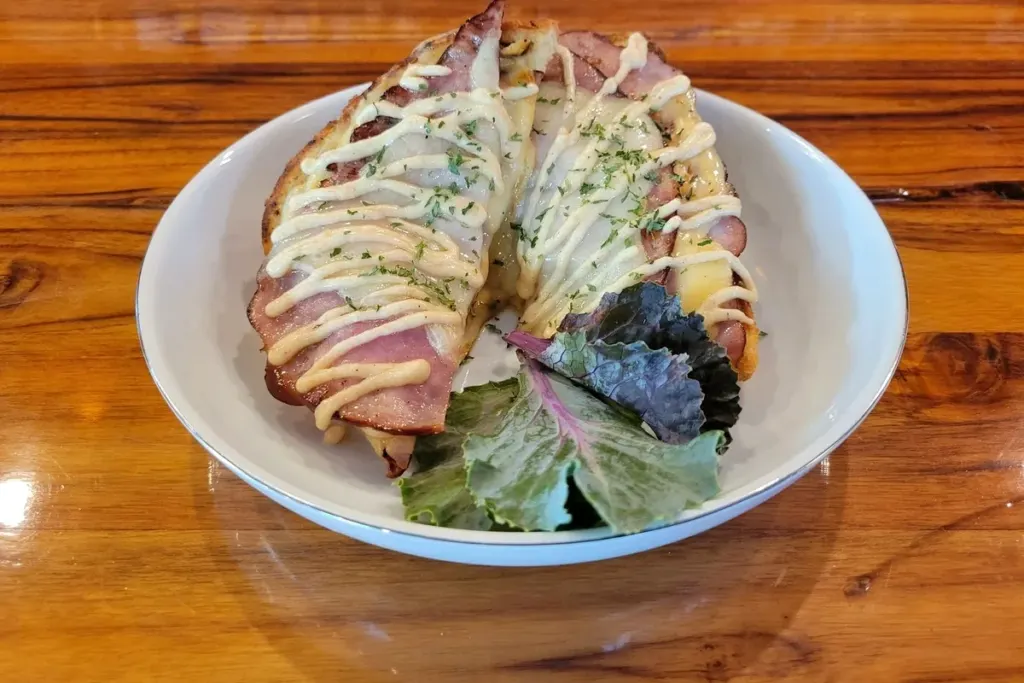
The answer to the headline question is one ingredient, and you can stop reading after the next paragraph if that is all you came for. The more interesting question is what a croque monsieur actually is, because most versions sold outside France are a ham and cheese toastie with ambitions.
The short answer
A croque monsieur is a hot sandwich of ham and cheese, assembled with bechamel, then coated in more cheese or sauce on the outside and grilled or baked until the top browns.
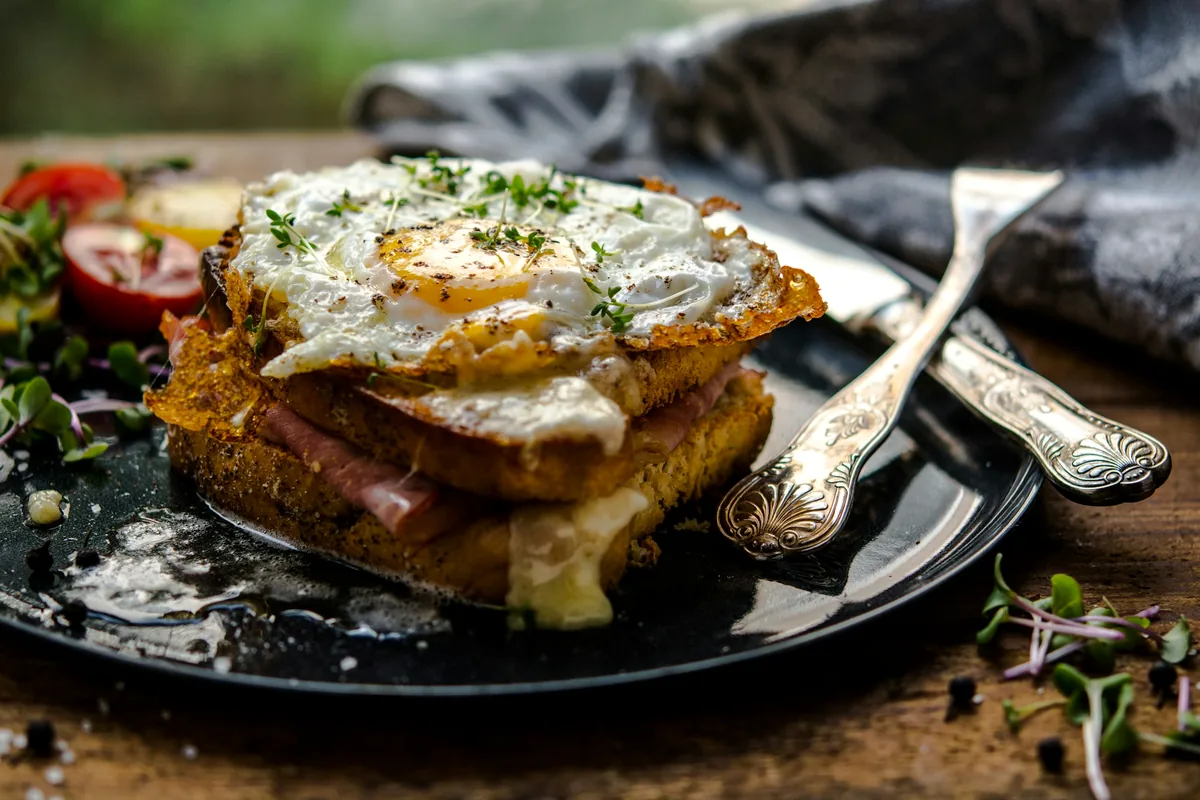
A croque madame is exactly the same sandwich with a fried or poached egg laid on top.
That is the whole distinction. Everything else about them is identical.
What makes it a croque rather than a toastie
Three things, and a sandwich missing them is a grilled cheese with a French name.
Bechamel
The sauce is the point. A classic croque monsieur has bechamel inside, between the ham and the bread, and often more on top. It is what makes the sandwich rich and slightly wet in the middle rather than dry and stringy.
The outside is cooked, not just toasted
The top is coated — with cheese, with sauce, or both — and put under a grill or into an oven so it browns and blisters. That browned lid is the texture people remember.
The cheese is a melting cheese
Gruyere and Emmental are the standards, chosen because they melt smoothly rather than splitting. Comte works. Cheddar does not behave the same way.
Where the names come from
Croquer is French for to crunch or bite. So a croque monsieur is, roughly, a “mister crunch” — the sandwich appeared on Parisian cafe menus in the early twentieth century, and Larousse records it in exactly that form.
The madame came later, and the usual explanation for the name is the egg: a domed yolk sitting on top, said to resemble a wide-brimmed hat. It is a folk etymology rather than a documented one, and it is repeated everywhere, which is worth saying plainly.
Side by side
| Croque monsieur | Croque madame | |
|---|---|---|
| Bread | White sandwich bread, buttered | The same |
| Filling | Ham and melting cheese | The same |
| Sauce | Bechamel inside, often on top | The same |
| Finish | Grilled or baked until the top browns | The same |
| On top | Nothing | A fried or poached egg |
| Eaten with | Knife and fork, usually | Knife and fork, definitely |
Where it came from
The croque monsieur appears in Paris in the first decade of the twentieth century, on the menus of cafes serving quick hot food to office workers. The often-repeated origin story — that a cafe owner ran out of baguettes and improvised with pain de mie — is charming and unverifiable, so treat it as folklore.
What is documented is how quickly it became ordinary. Proust has one eaten in A l’ombre des jeunes filles en fleurs, published in 1919, and mentions it in passing rather than as a novelty. By then it was already just what you ordered in a cafe.
Why most versions are disappointing
The croque is a simple sandwich that is easy to get wrong, and the failures are consistent:
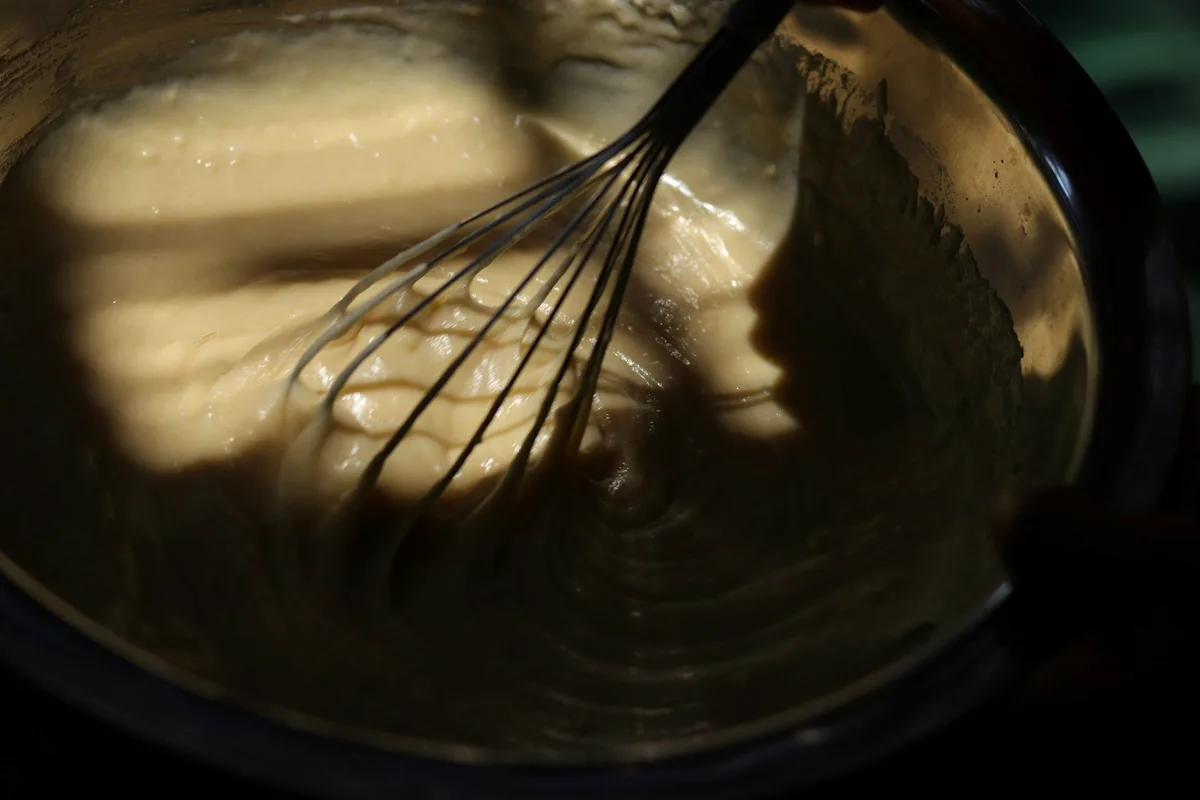
- No bechamel. The most common shortcut, and the one that turns it into a toastie. Without sauce inside, the middle is dry.
- Bread that is too good. Sourdough and rustic loaves fight the sauce. The traditional choice is plain, soft, close-crumbed pain de mie precisely because it soaks and holds together.
- Cheese chosen for flavour over melt. A sharp cheddar splits and goes oily under a grill. Gruyere and Emmental are traditional because they behave.
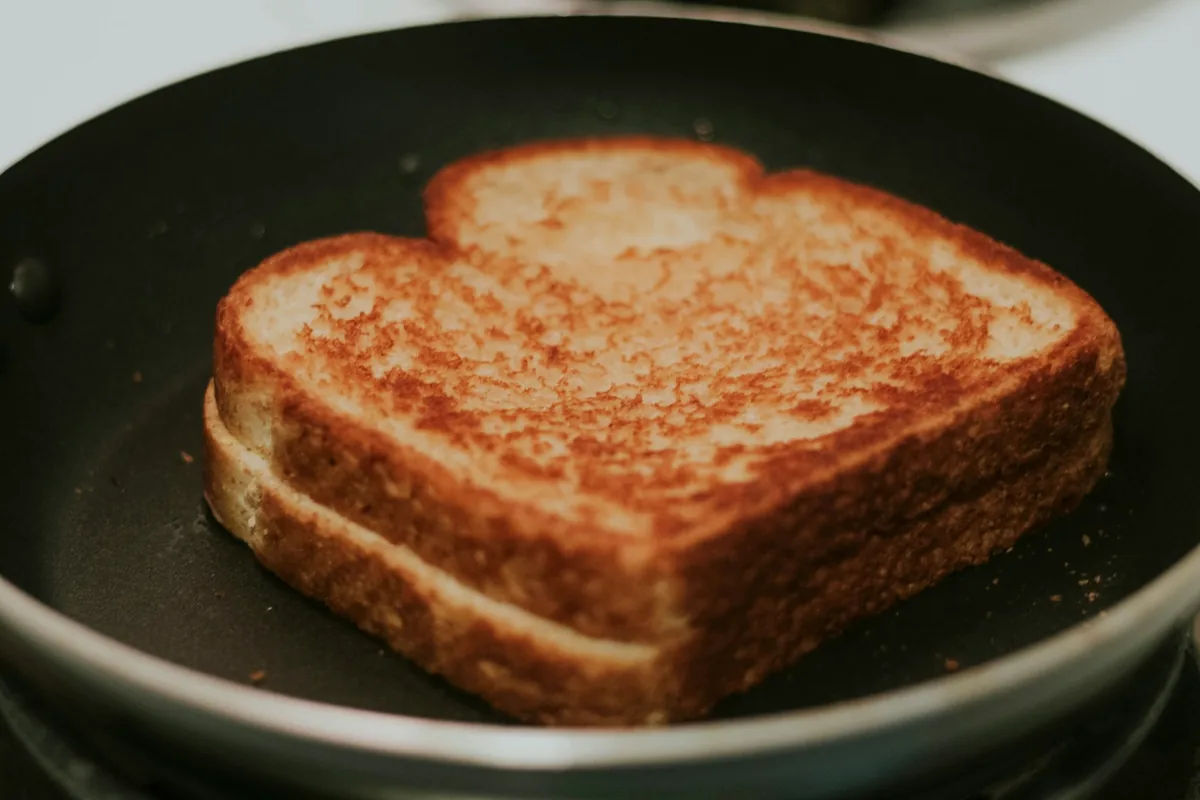
- Pan-fried instead of grilled. Cooking it flat in a pan browns the outside of the bread but never sets the top. The lid is meant to blister under direct heat.
The croque family is bigger than two
French and Belgian cafes run a long list of variations, most of them named by whatever was added:
- Croque provencal — with tomato.
- Croque hawaien — with pineapple. Exactly as divisive as it sounds.
- Croque norvegien — smoked salmon instead of ham.
- Croque tartiflette — potato and reblochon, in the mountains.
- Monte Cristo — the American descendant, egg-dipped and fried like French toast, sometimes dusted with sugar.
The Dutch uitsmijter is a cousin rather than a member: open-faced, ham and cheese under fried eggs, and never sauced.
How a Belgian brasserie changes it
The croque is as much a Belgian brasserie fixture as a French cafe one, and Belgium tends to make two changes.
The first is the cheese. Gruyere stays, but a local melting cheese usually joins it — gouda most often.
The second is the sauce, and it is the more interesting substitution. Instead of plain bechamel, a Belgian kitchen may build the sauce on beer. A beer cheese sauce brings malt sweetness and a little acidity that cuts the fat in a way milk-based bechamel does not.
Meyboom Brasserie’s version did both: grilled ham with gouda and gruyere, topped with the house beer cheese sauce and served with hand-cut frites. The menu also handled the madame question in the most direct way available — it offered to add a fried egg for a dollar.
Frequently asked questions
Is a croque madame just a croque monsieur with an egg?
Yes. There is no other difference. Some kitchens poach rather than fry the egg, but the sandwich underneath is unchanged.
What cheese is used in a croque monsieur?
Gruyere or Emmental traditionally, for their melting behaviour. Comte is a common substitute, and Belgian versions often add gouda.
Is a croque monsieur the same as a grilled cheese?
No. A grilled cheese is bread, cheese and butter, cooked in a pan. A croque monsieur contains ham and bechamel and is finished under a grill so the outside browns.
Should the egg yolk be runny?
Traditionally yes — the yolk is meant to break into the bechamel and cheese. A hard yolk is not wrong, but it loses the reason the egg is there.
What do you serve with a croque?
In France, a green salad. In Belgium, frites. Both are correct and the second is more fun.
The short version
Monsieur is the sandwich. Madame is the sandwich with an egg. If it has no bechamel and no browned top, it is neither.
The croque sits alongside the other brasserie fixtures covered in what is a Belgian brasserie, and the frites that come with it get their own treatment in why Belgian fries are different. Meyboom’s version is on the archived food menu.