The name sounds like nostalgia and it is actually a complaint. In the late nineteenth century, drinkers who wanted whiskey, sugar and bitters — and not the elaborate concoctions bartenders had started producing — began asking for their cocktail the old-fashioned way. The name stuck to the drink they were asking for.
The short answer
An old fashioned is spirit, sugar, bitters and water, stirred over ice and finished with citrus peel. Those four components are also the first recorded definition of the word cocktail, published in 1806. It is not one cocktail among many; it is the thing the word originally meant.
The 1806 definition
On 13 May 1806, a reader of The Balance and Columbian Repository, an upstate New York newspaper, wrote in asking what a “cock-tail” was. The editor replied that it was “a stimulating liquor, composed of spirits of any kind, sugar, water, and bitters”.
That is the whole recipe. Spirit of any kind — the definition does not specify whiskey. Sugar. Water, which in practice arrives as melting ice. And bitters, which is the component that distinguishes a cocktail from a sling and the one people leave out.
The category came out of the medicine cabinet. Aromatic bitters were sold as patent remedies, and mixing them with spirit and sugar made them palatable — which is also, incidentally, why bitters survived American Prohibition as a “medicinal” product. That history is in what cocktail bitters are.
Why the name is a complaint
Through the middle of the nineteenth century bartending got ambitious. Liqueurs, absinthe, curaçao, vermouth and fruit syrups arrived, and the simple spirit-sugar-bitters drink was buried under them.
By the 1880s a reaction had set in. Drinkers began specifying an “old-fashioned” cocktail, meaning the original formula and nothing else. Bartenders at the Pendennis Club in Louisville later claimed to have codified the whiskey version around 1881, a claim that is repeated everywhere and proved nowhere.
What matters is the direction of travel: the old fashioned is not an old drink that survived, it is an old drink that was deliberately revived as a protest against fashion. The name is the argument.
The muddled fruit argument
Somewhere in the twentieth century, and especially after Prohibition, bartenders started muddling an orange slice and a maraschino cherry into the glass. Cheap whiskey was the likely cause: fruit and sugar cover a great deal.
The result is a different drink — sweeter, fruitier, cloudier, and with the bitters lost underneath. It has its defenders, particularly in Wisconsin, where an old fashioned is customarily made with brandy and topped with soda and is a regional institution in its own right.
The classical build takes the opposite view: no muddled fruit, a sugar cube or a measure of syrup, and the orange present only as oil expressed from the peel. If you order one and it arrives pink and pulpy, you have not been given a bad drink, but you have been given a different one.
How it is built
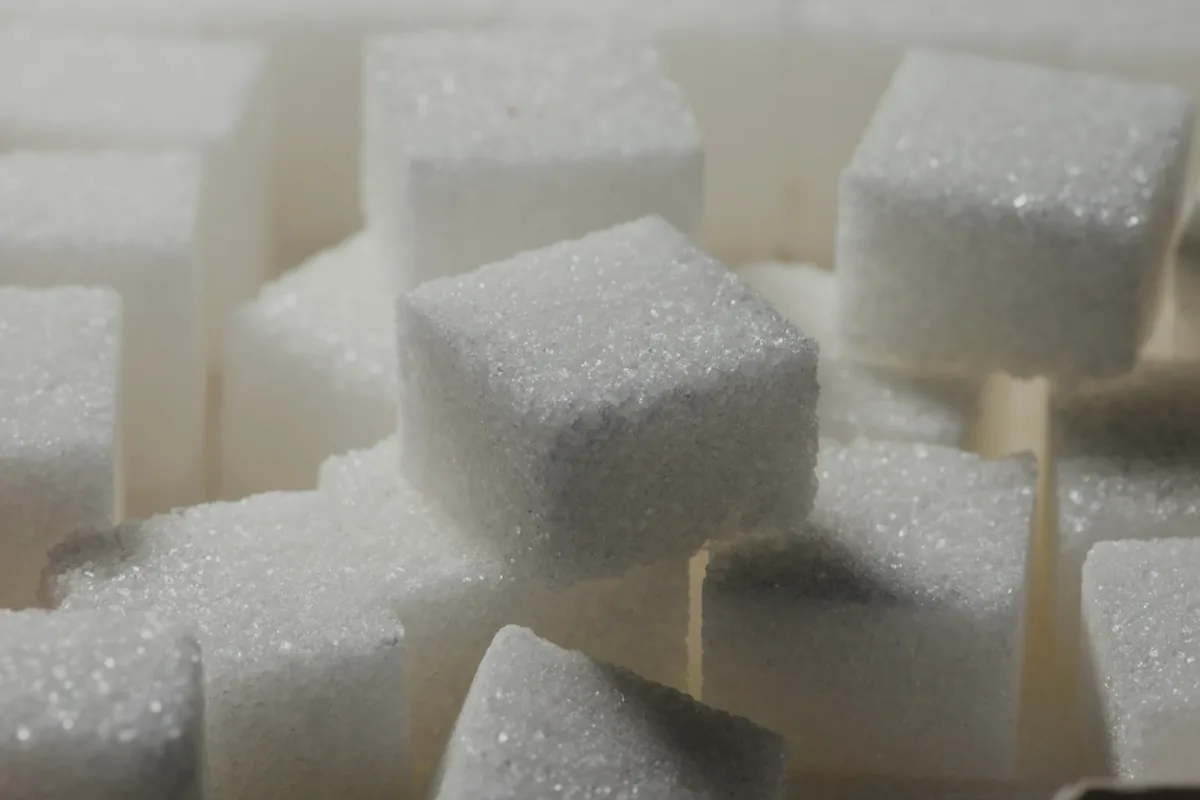
- Sugar and bitters first. A cube saturated with three or four dashes, or a barspoon of syrup — syrup is more consistent, a cube is more traditional.
- A splash of water to dissolve the sugar, if using a cube.
- Spirit in, ice in, stir. Thirty seconds or so. You are chilling and adding roughly 20% water; both are the point.
- One large piece of ice in the serving glass, because small cubes keep diluting a drink that is already at its intended strength.
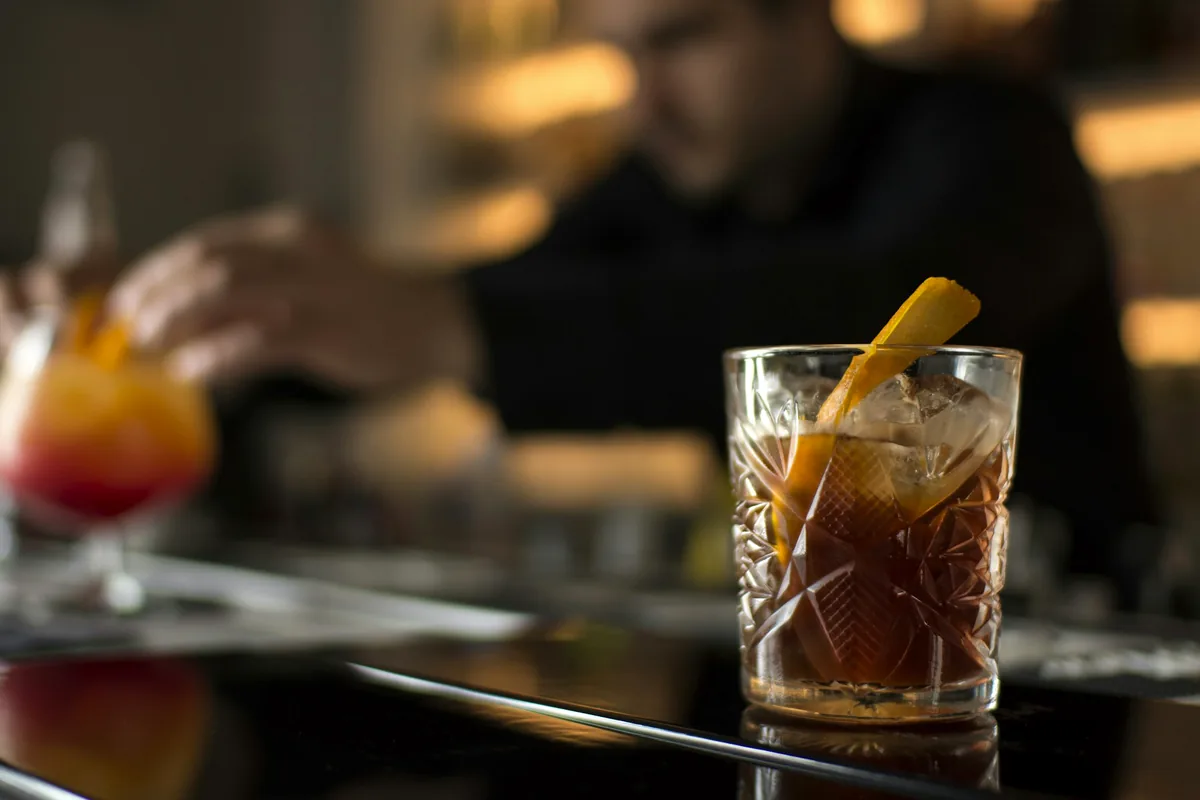
- Express the peel. Squeeze a strip of orange skin-side down over the surface so the oils spray across it, wipe the rim, drop it in.
That last step is the one home bartenders skip and the one that most changes the drink. Almost all the orange character in a well-made old fashioned is aromatic oil sitting on the surface, not juice.
Cube, syrup, or something else
The sweetener is a small decision with a visible result.
A sugar cube muddled with bitters is the traditional method and the one most bars use for show. It is also the least consistent: undissolved sugar settles at the bottom and the drink gets sweeter as you go.
Simple syrup dissolves instantly and measures exactly, which is why most careful bartenders use it. Rich syrup, at two parts sugar to one of water, adds body as well as sweetness.
Demerara or maple both work and both change the drink — demerara brings molasses notes that sit well with bourbon, maple is sweeter and softer and can tip it over.
However you sweeten it, the quantity is small. An old fashioned is not a sweet drink; the sugar is there to round the spirit’s edges, and if you can taste it as sugar there is too much.
Bourbon or rye
Both are correct and they make different drinks. Bourbon is at least 51% corn: sweeter, rounder, with vanilla and caramel from the barrel. Rye is at least 51% rye: drier, spicier, peppery, and it stands up to the bitters more assertively.
Rye is the historically older choice in the north-east, bourbon the more common modern default. If a bar asks which you want, they are paying attention.
The 1806 definition says “spirits of any kind”, and it meant it. Old fashioneds made with rum, brandy, mezcal or genever all work, because the structure was never about whiskey.
What it looked like on a real list
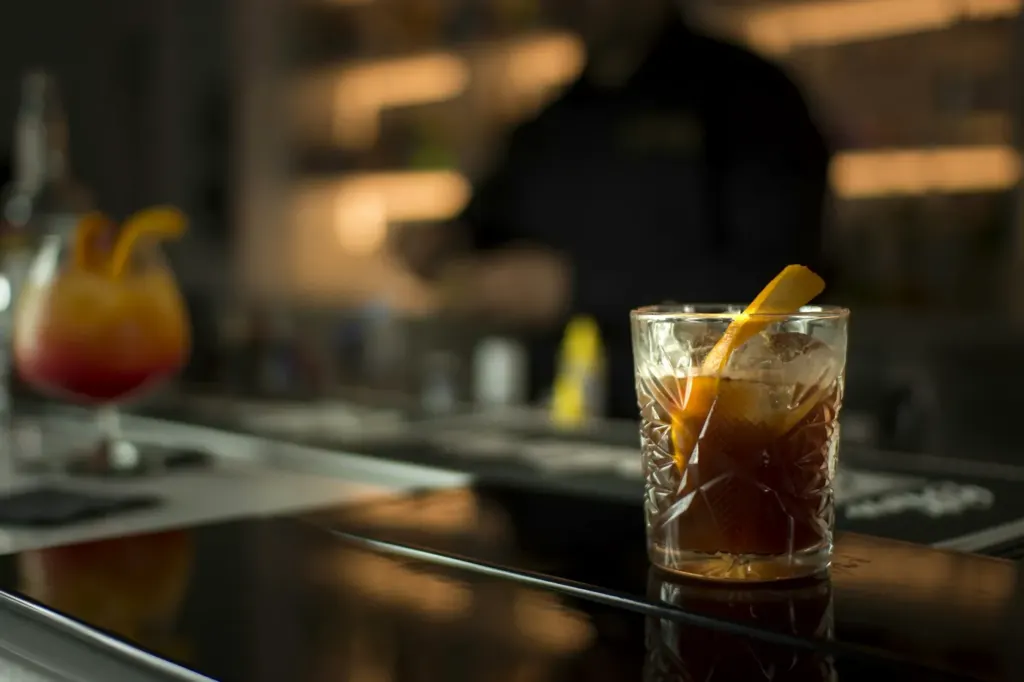
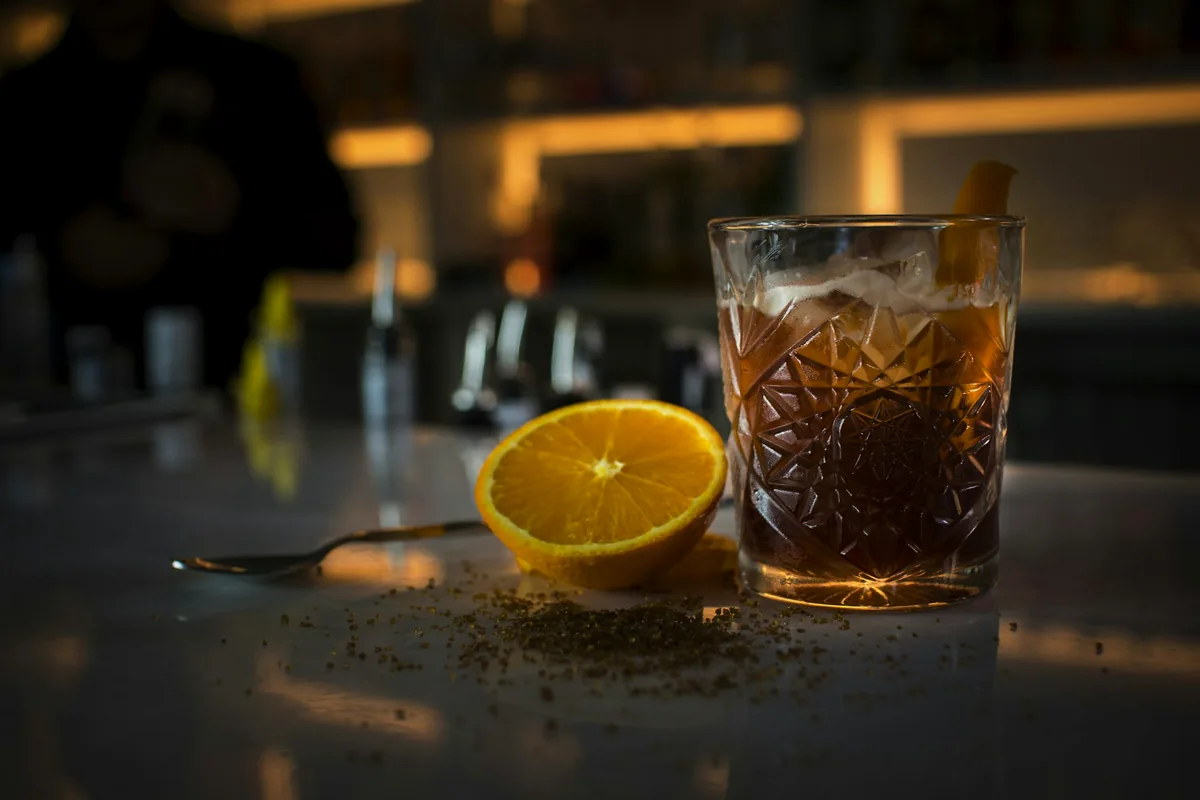
Meyboom Brasserie’s archived cocktail list, captured in February 2023, built its Old Fashioned with Evan Williams bourbon, a sugar cube and aromatic bitters at $12 — the classical formula, cube and all, with no muddled fruit in the description.
It also ran on the archived happy hour list at $8, which makes it one of only four discounted drinks alongside a Ranch Water, a Grapefruit Greyhound and two dollars off the draughts. On a menu dominated by Belgian beer, the old fashioned was the cocktail that earned a permanent place. Both archived lists are still on the site: the cocktail list and the happy hour list.
Frequently asked questions
What is in an old fashioned?
Spirit, sugar, bitters and water, stirred over ice, with citrus peel. Whiskey is usual but the original definition allowed any spirit.
Why is it called an old fashioned?
Because drinkers in the 1880s asked for their cocktail made the old-fashioned way, in protest at increasingly elaborate mixed drinks. The name describes the request, not the drink’s age.
Should an old fashioned have muddled fruit?
Not in the classical build. Muddled orange and cherry is a twentieth-century addition that sweetens the drink and mutes the bitters. Regional versions, notably in Wisconsin, embrace it.
Bourbon or rye in an old fashioned?
Either. Bourbon is sweeter and rounder, rye drier and spicier. Rye has the older claim; bourbon is the more common default now.
Is an old fashioned the oldest cocktail?
It is the oldest cocktail formula — its four components are the 1806 definition of the word. The name is much younger than the drink.
The short version
Spirit, sugar, bitters, water. Stir, one big cube, express the peel, no muddled fruit. It is the drink the word cocktail was invented to describe, and the name was a complaint about everything that came after it.
Related: the spirit-forward family and the Sazerac.