Beer is four ingredients and five steps. Everything else — style, colour, strength, whether it tastes of banana or grapefruit or nothing at all — is a decision made at one of those steps. Once you can see where each decision lives, a beer list stops being a list of names.
The short answer
- Malting — barley is germinated and kilned, turning starch into something a brewer can use.
- Mashing — crushed malt steeps in hot water; enzymes convert starch to sugar. The sweet liquid produced is wort.
- Boiling — the wort is boiled with hops, which sterilises it and creates bitterness.
- Fermenting — yeast eats the sugar and makes alcohol, carbon dioxide and most of the flavour.
- Conditioning — the beer matures, carbonates and clears.
Two to six weeks, start to finish, and the whole of the brewer’s craft is choices made inside those five.
Malting: making the grain usable
Raw barley is no use to a brewer. It is full of starch, and yeast cannot eat starch.
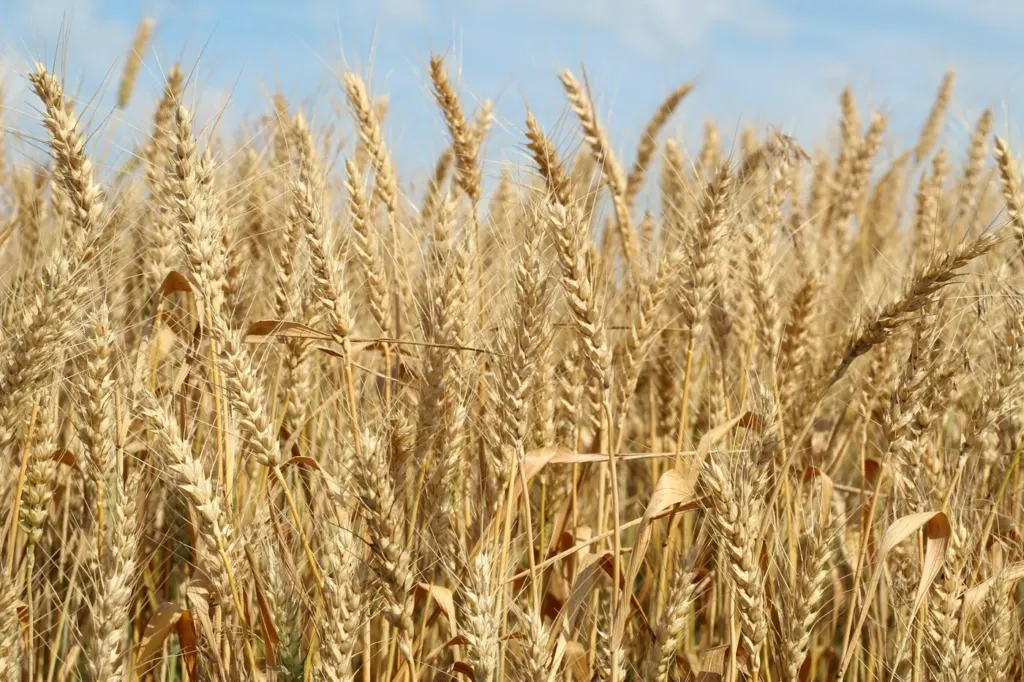
Malting solves that by tricking the grain into sprouting. It is steeped in water, allowed to germinate, and then dried in a kiln at the moment the enzymes have developed but before the plant has eaten its own reserves. Those enzymes are the point: they are what will later convert starch to sugar.
The kiln is also where colour is decided. Dry the malt gently and it stays pale; take it hotter and it caramelises; roast it hard and it turns black and tastes of coffee and chocolate. Every colour of beer in existence is a kilning decision, which is why colour tells you so little about anything else.
Most breweries buy malt ready-made from a maltster. It is a separate trade.
Mashing: extracting the sugar
Crushed malt goes into hot water — usually around 65°C — and sits. The enzymes wake up and convert the starch into fermentable sugar. An hour or so later the liquid is sweet, and it is called wort.
The mash temperature is one of the most consequential numbers in brewing. Mash cooler and the enzymes produce more simple sugars, which the yeast will ferment completely, giving a drier, thinner beer. Mash warmer and you get more complex sugars the yeast cannot digest, giving a fuller, sweeter one. Same grain, same recipe, different beer.
The wort is then separated from the spent grain and rinsed — sparged — to recover the sugar left clinging to it.
Boiling: hops and sterility
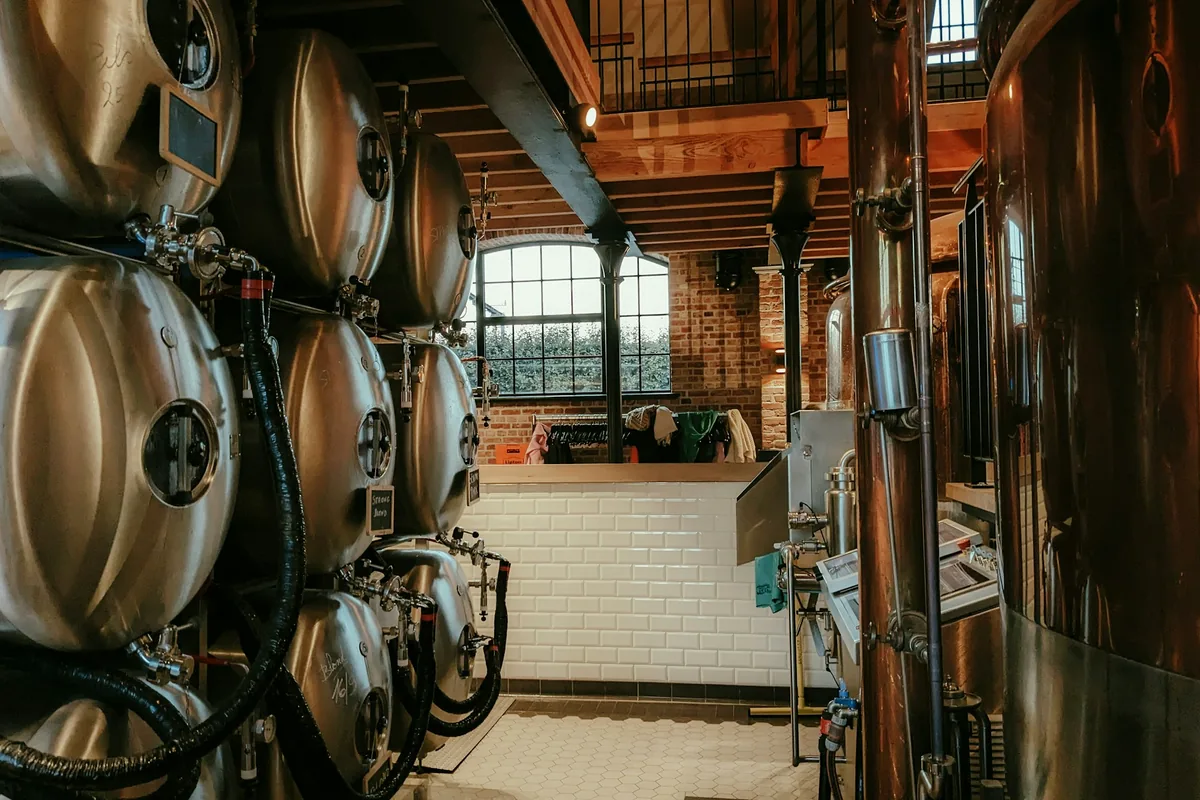
The wort is boiled hard for sixty to ninety minutes. This does three jobs at once: it sterilises the liquid, it drives off harsh volatile compounds from the grain, and it is the only opportunity to make bitterness.
Hops go in here, and when they go in decides what they do. Early additions bitter; late additions perfume; and anything added early loses its aroma entirely to the steam. The full argument is in what hops actually do in beer.
This is also where a Belgian brewer adds candi sugar, which is why Belgian ales can reach 9% and still finish dry — see why Belgian beer is so strong.
Fermenting: where beer is actually made
The wort is chilled fast, yeast is pitched, and the brewer largely stops being in control.
Yeast converts sugar into roughly equal parts alcohol and carbon dioxide, and along the way produces the esters and phenols that give beer most of its character. Temperature governs how much: warm and the yeast is expressive, cold and it is silent. That single choice is the ale/lager split, covered in ale vs lager.
It is worth pausing on how little the brewer does here. Everything before this point is preparation; the beer itself is made by an organism, over days, largely unattended. The skill is in setting the conditions and then leaving them alone.
Conditioning: the part that takes the time
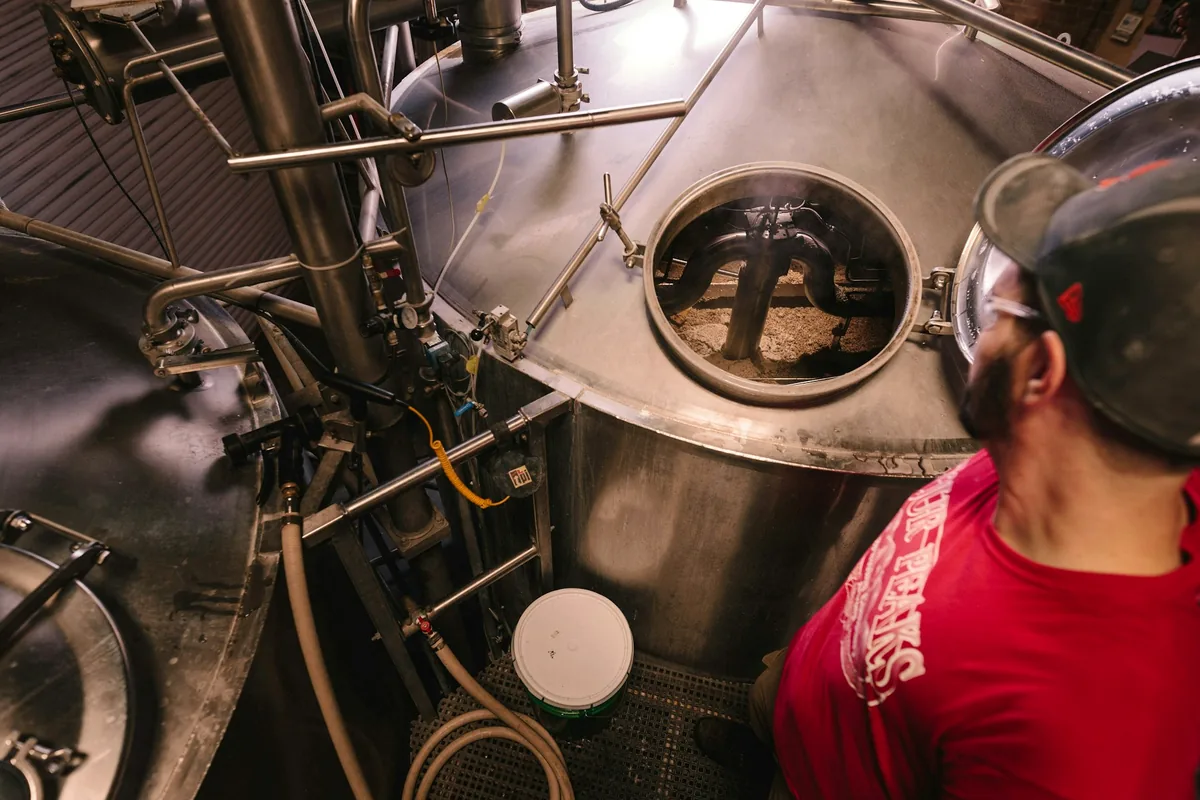
Green beer is harsh. Conditioning is the maturation period in which the yeast cleans up after itself — reabsorbing compounds like diacetyl that taste of butterscotch — while the beer clarifies and carbonates.
How that carbonation happens is a genuine fork. Most industrial beer is force-carbonated with CO2 under pressure. Most Belgian beer of any standing is bottle-conditioned instead: fresh yeast and a little sugar go into the bottle and fermentation restarts inside the glass, producing its own carbonation and a sediment you are meant to leave behind.
A lager’s conditioning is where the name comes from — weeks of cold storage, which is why lager costs more to make than its price suggests.
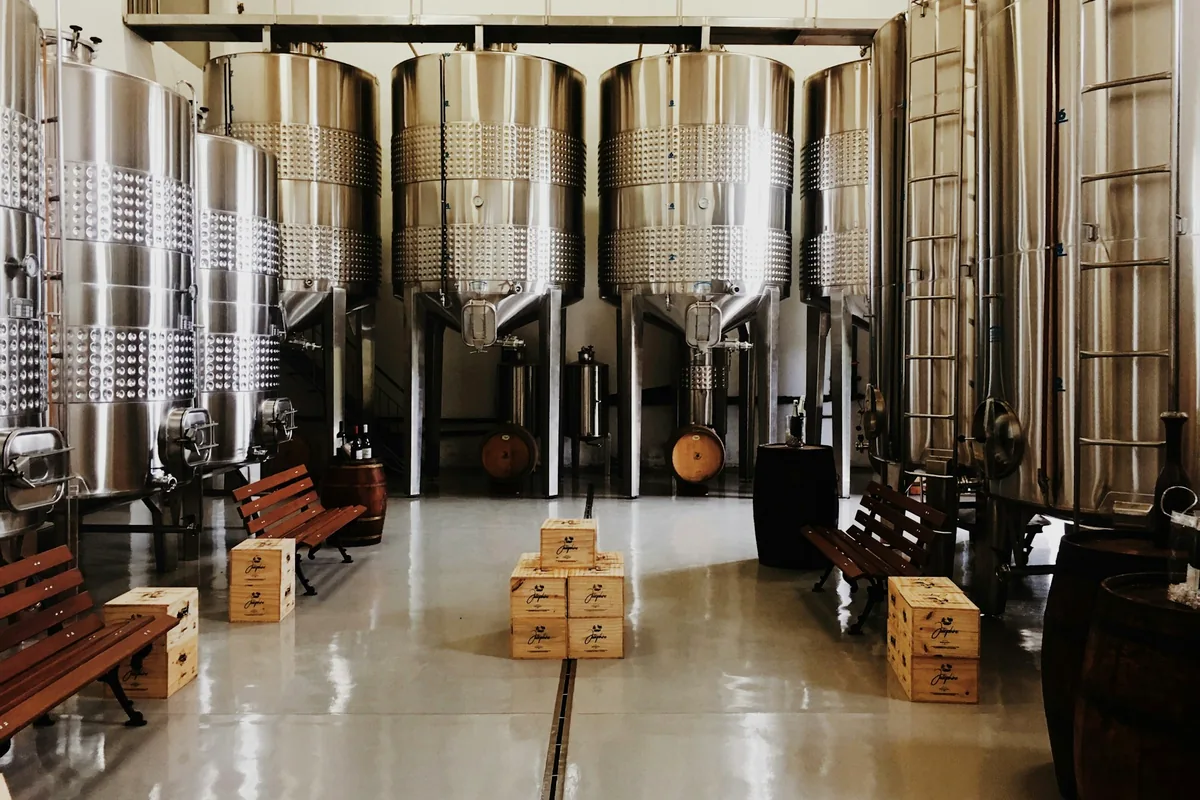
Where each decision lives
| Step | What happens | What it decides |
|---|---|---|
| Malting | Grain germinated and kilned | Colour and much of the malt flavour |
| Mashing | Starch converted to sugar | Body, dryness, potential strength |
| Boiling | Wort boiled with hops | Bitterness, sterility, added sugar |
| Fermenting | Yeast eats sugar | Alcohol and most of the aroma |
| Conditioning | Maturation and carbonation | Clarity, carbonation, shelf life |
What that looked like on a real list
Read Meyboom’s archived list with the five steps in mind and it decodes itself. Hofbrau Dunkel is dark because of the kiln. Westmalle Tripel is 9.5% and dry because of the boil. Delirium Tremens tastes of pear and pepper because of the fermentation temperature. Rodenbach Classic is sour because its conditioning happened in oak with organisms other than brewer’s yeast.
Four beers, four different steps doing the distinctive work. Both archived lists are still on the site — the beer list and the bottle list — with historical prices.
Frequently asked questions
What are the four ingredients of beer?
Water, malted grain, hops and yeast. Belgian brewing routinely adds a fifth and sixth — sugar, spices, fruit — which is the subject of the German purity law.
How long does it take to brew beer?
Brew day is a single day. Fermentation is days to a fortnight, and conditioning is anything from a week to several months. Two to six weeks is typical for an ale; a lager takes longer.
What is wort?
The sweet liquid produced by mashing, before yeast has touched it. It is unfermented beer.
What does sparging mean?
Rinsing the spent grain with hot water after the mash to recover the sugar still clinging to it.
Which step decides the flavour?
All of them, but fermentation contributes most of what people describe as a beer’s character — the fruit and spice notes that separate one ale from another.
The short version
Malt makes the sugar available, the mash extracts it, the boil bitters and sterilises, the yeast makes the beer, and conditioning makes it drinkable. Colour is decided in the kiln, strength in the mash and the boil, and personality in the fermenter.
Related: ale vs lager and what hops actually do.