In 1516 Bavaria passed a law saying beer could be made of three things and nothing else. It is still cited on labels five centuries later, usually as a mark of quality. It is also the clearest way to understand what Belgian brewing actually is, because almost nothing Belgium is known for would be legal under it.
The short answer
The Reinheitsgebot, issued by Duke Wilhelm IV of Bavaria in 1516, permitted only water, barley and hops in beer. Yeast is absent because nobody yet knew it existed. Belgian brewing uses sugar, wheat, oats, spices, fruit and wild yeast as a matter of course — so a tripel, a witbier and a kriek are all, by the Bavarian definition, not beer.
What the law actually said
It is worth being accurate, because the law is usually described as a purity standard and it was not only that.
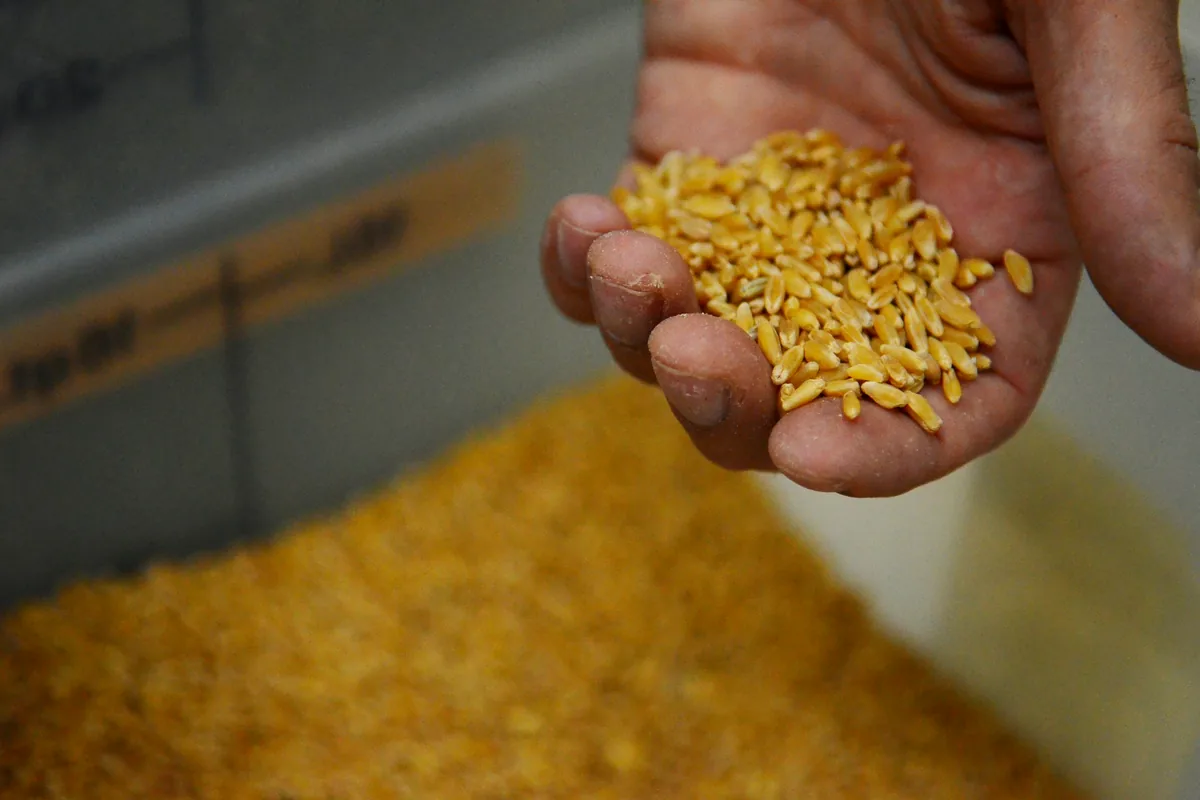
The 1516 text was principally a price and supply regulation. It fixed what beer could be sold for, and it restricted the grain: wheat and rye were reserved for bakers, so that the bread supply was not eaten by brewers in a bad harvest. Barley, which makes poor bread, was left to beer.
There was a genuine safety element too. Brewers of the period were adding all sorts of things to preserve or stretch beer — herbs, soot, and worse — and restricting the ingredient list removed the cover for that.
Yeast is the famous omission. Fermentation was understood as something that happened to beer rather than something performed by an organism; Louis Pasteur would not explain it for another 350 years. Modern versions of the law list yeast as a fourth permitted ingredient, added once anyone knew to.
What it would ban in Belgium
Read the list against a Belgian beer menu and the collision is total.
- Candi sugar. Not a grain. It is the single most characteristic Belgian brewing ingredient — the thing that lets a tripel reach 9% and still finish dry, as set out in why Belgian beer is so strong.
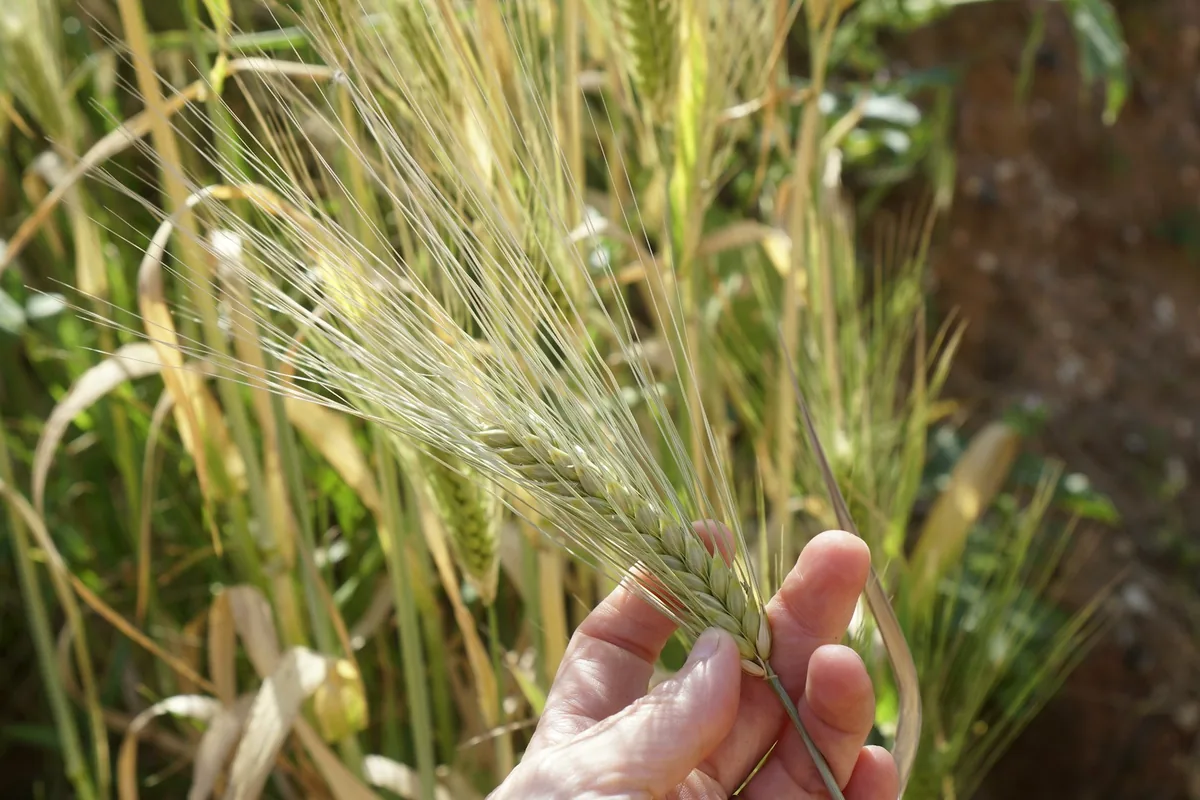
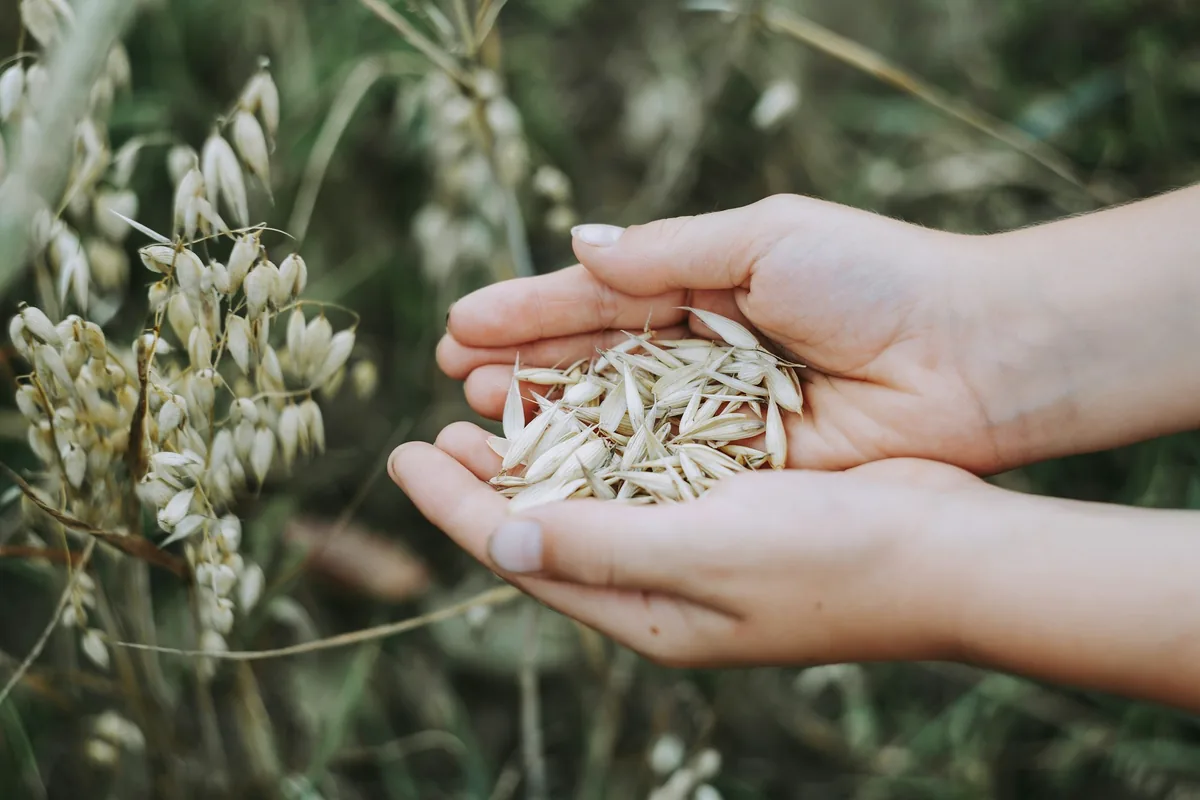
- Wheat and oats. Explicitly excluded in 1516. Witbier is roughly half unmalted wheat.
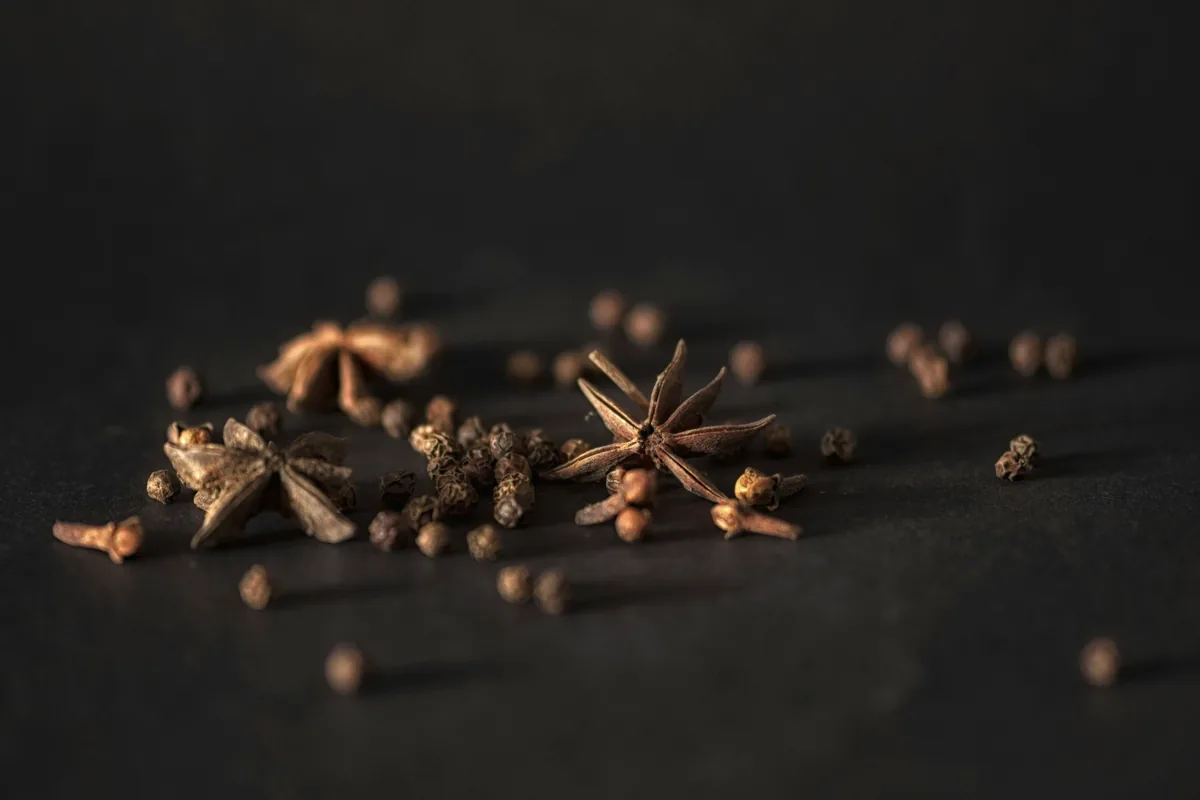
- Coriander and orange peel. The defining seasoning of witbier, and illegal under the law.
- Cherries and raspberries. Kriek and framboise are fruit beers by design.
- Wild yeast and bacteria. Lambic is fermented by whatever is in the air. There is no version of the Bavarian rule that accommodates that.
So the two traditions are not variations on a theme. They are opposite answers to the question of what beer is allowed to be: one defined by restriction, the other by whatever works.
Bavaria’s own exception
The law was less absolute than its reputation, and the best evidence is Bavaria’s own most famous style.
Weissbier is a wheat beer, and wheat was the grain the 1516 law reserved for bread. It survived because the Bavarian dukes kept the right to brew it as a crown monopoly and licensed it selectively — a lucrative exception to a law they had written themselves. Wheat beer was legal when the state was the one selling it.
The law also only ever applied to Bavaria at first. It became national in Germany in 1906, was loosened for export beer, and in 1987 the European Court of Justice ruled that Germany could not use it to block imports. It survives today as a voluntary standard and a marketing claim rather than a general prohibition.
What the label claim is worth today
“Gebraut nach dem Reinheitsgebot” still appears on a great many German bottles, and it is doing marketing work rather than legal work.
Germany’s current framework is the Provisional Beer Act, which permits barley malt, hops, water and yeast for bottom-fermented beer, and allows other malted grains and some sugars for top-fermented beer — which is how Bavarian weissbier and German ales remain legal. Beers brewed with anything further can be sold in Germany; they simply cannot use the word Bier without qualification in certain cases.
So a modern label invoking 1516 is telling you the brewery chose a constraint. That is genuinely informative about style — expect precision and restraint — and it is not a statement about quality.
Is it a mark of quality?
Brewed according to the Reinheitsgebot tells you what is not in a beer. It says nothing about whether the barley was good, whether the hops were fresh, whether the fermentation was clean, or whether the beer is any good.
It is also perfectly possible to make a dull beer within the rules and an excellent one outside them, which the whole of Belgium demonstrates daily. The honest reading is that the law is a genuine piece of history and a real constraint that shaped German brewing into something exceptionally clean and precise — and that treating it as a universal definition of beer was always a Bavarian idea rather than a factual one.
What that looked like on a real list
Meyboom’s archived draught list happened to put both traditions side by side. Three Hofbrau beers from Munich — the Original, the Hefe Weizen and the Dunkel — sat with Radeberger and Reissdorf from Germany, at 4.8% to 5.5% and 7 to 33 IBU. Directly beneath them were Delirium Tremens at 8.5%, Westmalle Dubbel, Chimay Grande Réserve and Tripel Karmeliet.
The German beers on that list are made of three or four things. The Belgian ones are made of whatever the brewery decided. Both lists are still on the site — the beer list and the bottle list — with historical prices.
Frequently asked questions
What are the Reinheitsgebot ingredients?
Water, barley and hops in the 1516 text. Yeast was added to later versions once its role was understood.
Is the Reinheitsgebot still law?
Not as a general prohibition. It survives in German law in modified form and as a voluntary labelling claim, but a 1987 European Court ruling stopped it being used to exclude imported beer.
Why was wheat banned in beer?
To protect the bread supply. Wheat and rye made good bread and barley did not, so barley was assigned to brewers.
Would Belgian beer be illegal in Germany?
It cannot be sold as German beer brewed to the Reinheitsgebot, but it has been freely importable and sellable in Germany since 1987.
Does Reinheitsgebot mean better beer?
No. It restricts ingredients; it does not measure skill, freshness or quality. Some of the best beer in the world would fail it.
The short version
Three ingredients, a bread policy and a price control, dressed up over five centuries as a definition of beer. It made German brewing precise, and it made Belgian brewing — which ignored it entirely — the more inventive of the two.
Related: ale vs lager and Flanders and Wallonia.