
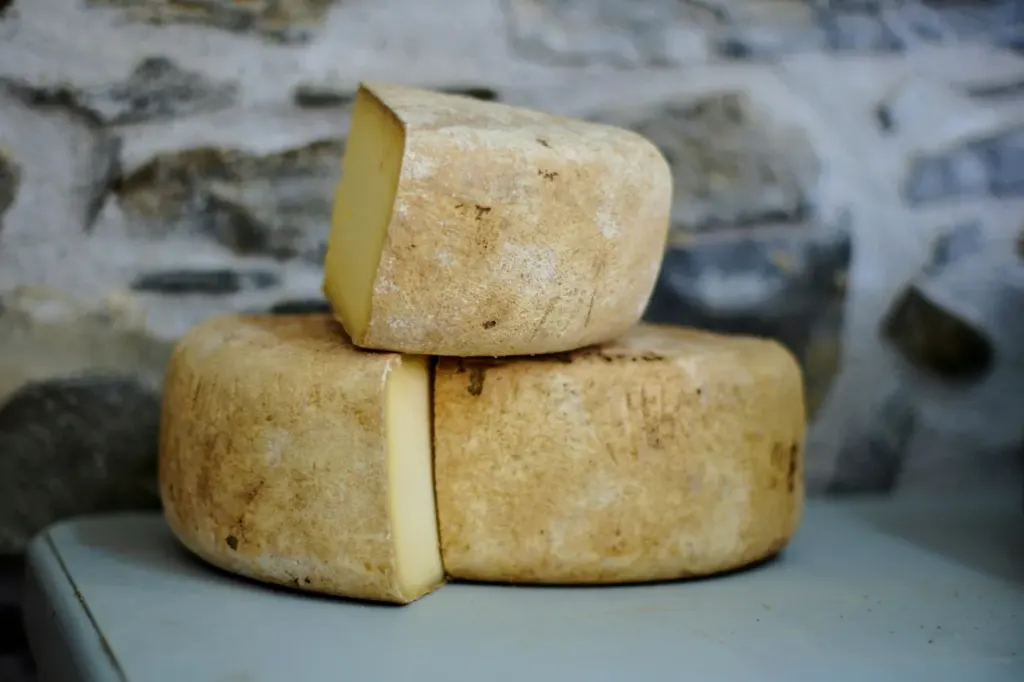
Everyone knows the monks make beer. Rather fewer people know that several of the same abbeys make cheese, under the same certification, in the same buildings — and that this is the reason a Trappist beer and a Trappist cheese go together so easily.
The short answer
Trappist cheese is cheese made inside a Trappist monastery, by or under the supervision of the community, carrying the same Authentic Trappist Product mark as Trappist beer. Most examples are semi-soft cow’s-milk cheeses with a washed or natural rind, aged a few weeks to a few months — mild when young, increasingly pungent as they age.
The label certifies where and by whom it was made. It does not describe a single style, any more than it does with the beer.
Why abbeys make cheese at all
The practical answer is that monasteries kept cattle and had to do something with the milk. Cheese is milk that keeps.
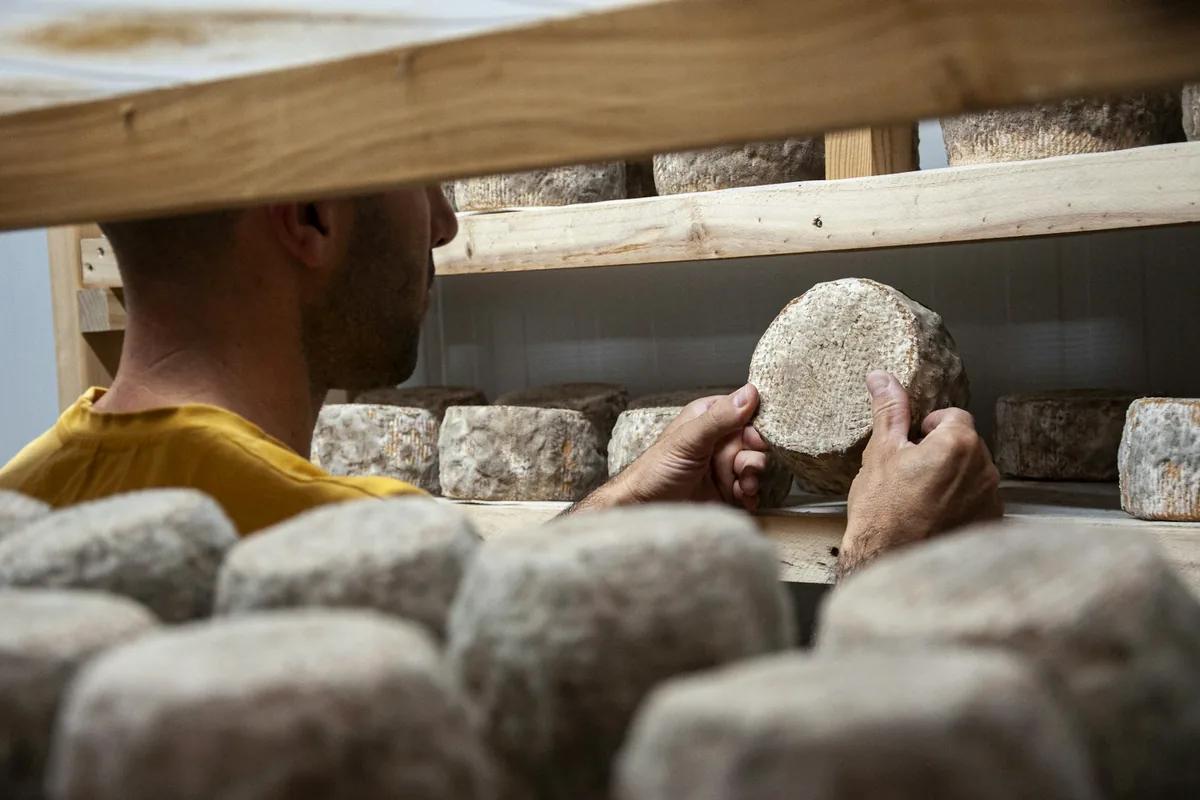
The structural answer is the same one behind the beer: Trappist communities are required to support themselves by their own work. A monastery needs an income that can be produced on site, by a small number of people, without pulling anyone away from the daily routine for long. Cheese and beer both fit — they are slow, they are seasonal in their demands, and most of the time they are simply sitting somewhere getting better.
Westmalle, whose Tripel and Dubbel are on most serious Belgian beer lists, is a good example: the abbey makes a Trappist cheese alongside the beer, and has done for generations.

What it actually tastes like
There is no single Trappist cheese style, but there is a strong family resemblance, and it comes from the technique most of these abbeys use.
Washed rind
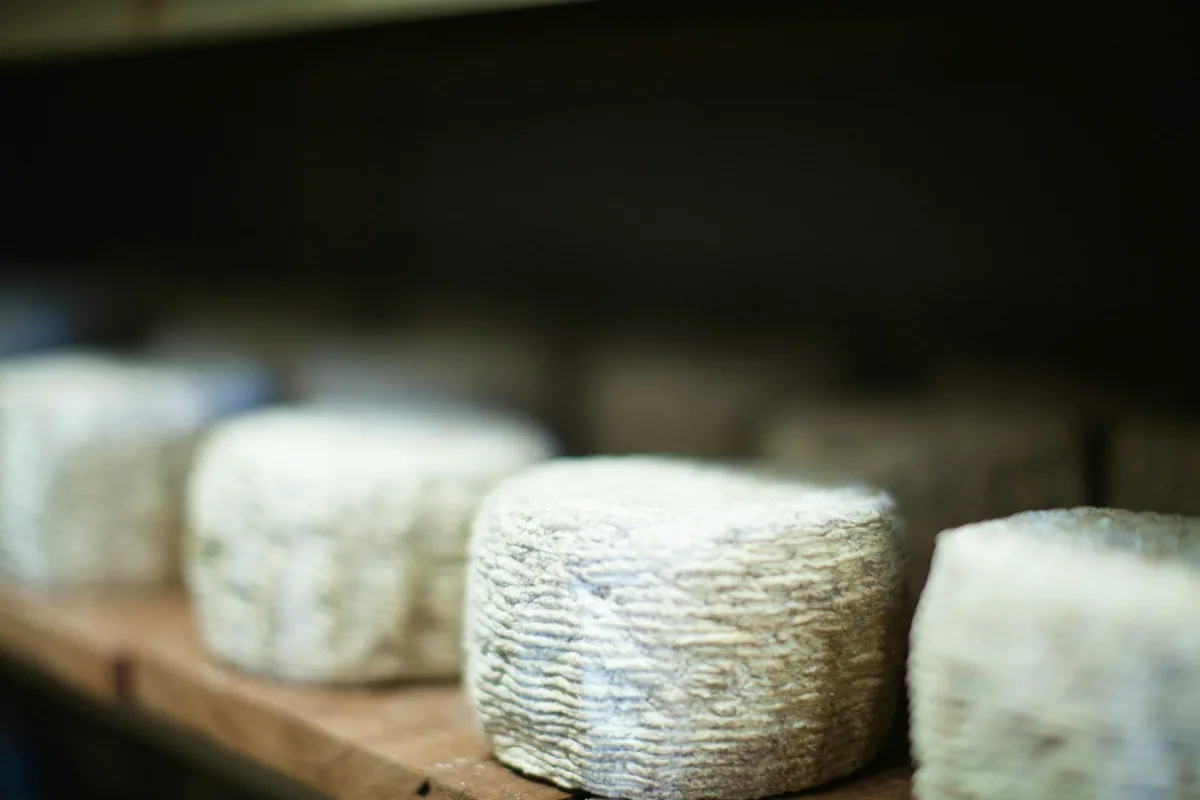
Many monastic cheeses are washed during ageing — the rind is wiped regularly with brine, and sometimes with beer. That encourages particular bacteria to develop on the surface, which is what produces the orange-pink rind, the noticeably farmyard smell, and the savoury, almost meaty flavour underneath.
The important thing to know as an eater: these cheeses smell far stronger than they taste. A washed-rind cheese that clears a room can be surprisingly gentle on the tongue.
Semi-soft, and young
Most are aged for weeks rather than years — supple rather than crumbly, sliceable, and good melters. That is a deliberate commercial choice as much as a culinary one: a cheese that sells in two months is easier for a small community to run than one that ties up a cellar for two years.
Trappist, abbey and monastery cheese
The naming problem is exactly the same as with the beer, and the answers map across cleanly.
| Trappist cheese | Abbey cheese | Monastery-style cheese | |
|---|---|---|---|
| Made where | Inside a Trappist monastery | A commercial dairy, often under licence | Anywhere |
| Certified | Authentic Trappist Product | No | No |
| Monastic involvement | Made by or under the community’s supervision | Historic or licensed only | None |
| Where the money goes | The community and its charitable work | The dairy’s owners | The dairy’s owners |
| Typical style | Semi-soft, washed or natural rind | The same style, made commercially | Loosely similar |
| Example | Chimay, Westmalle | Port Salut | Most supermarket ‘monk’ cheeses |
If the distinction between Trappist and abbey is new to you, it is worth reading how the same split works with beer — the certification, the rules and the reason breweries lose the label all apply to the dairy in the same way.
Why abbey beer and abbey cheese work together
Partly it is simply that both are made in the same place by people who taste both. But there are real reasons the pairing lands.
- Washed rinds and malty ales share a vocabulary. Both bring savoury, nutty, slightly funky notes. They meet in the middle instead of arguing.
- Carbonation cuts the fat. A semi-soft cheese coats the mouth; a highly carbonated Belgian ale clears it between bites.
- Some rinds are literally washed in beer. When the same brew is used on the rind, the pairing is not a coincidence — it is the same flavour on both sides.
Chimay is the clearest case: the abbey makes both the beers and a range of cheeses, including one washed in its own beer. Meyboom Brasserie’s European Fromage board carried Chimay Premiere cheese alongside brie, honey goat and a blue — and the bar also ran a Trappist beer and cheese flight, four beers matched to four cheeses.
How to buy and serve it
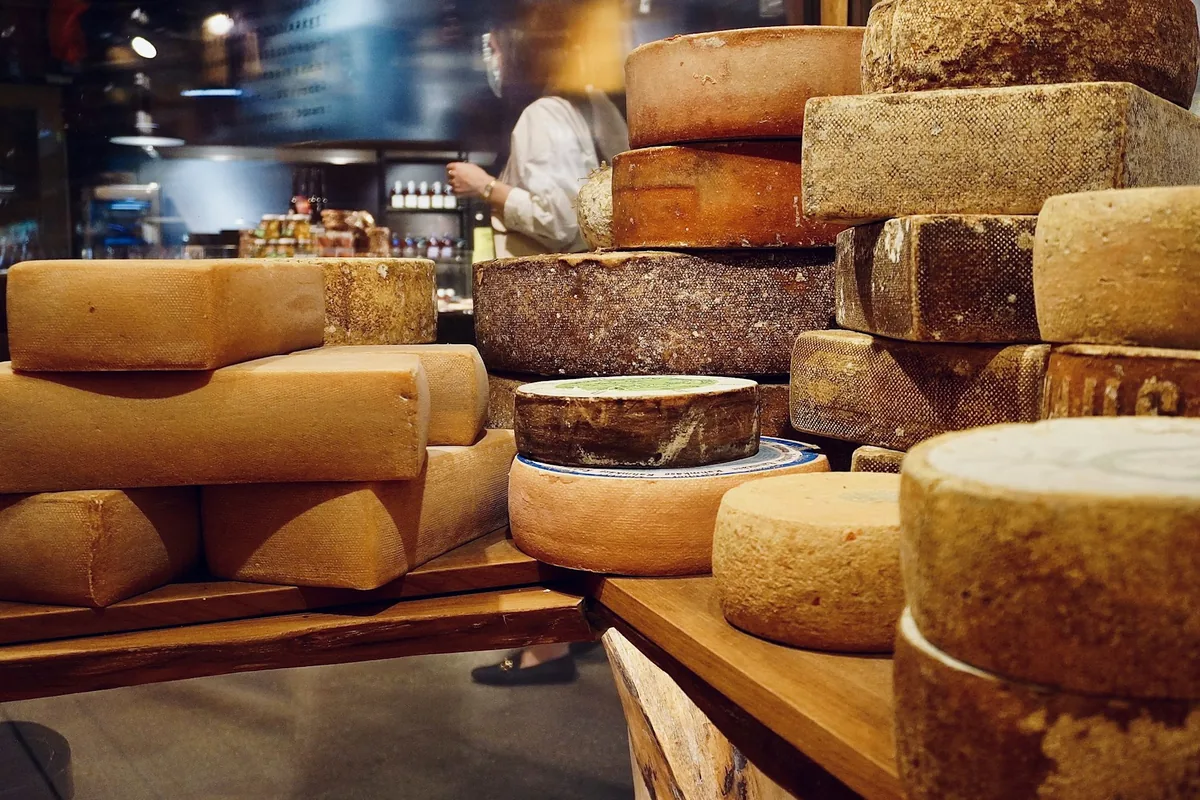
- Look for the hexagonal Authentic Trappist Product mark if provenance matters to you. The word “abbey” on a label guarantees nothing.
- Take it out of the fridge an hour before eating. Cold flattens a washed rind completely.
- Eat the rind, or do not — both are fine. A washed rind is edible and carries most of the intensity. A dry natural rind is usually left.
- Serve it with something malty. A dubbel is the safest match; a blonde works with the younger ones.
Frequently asked questions
Is Port Salut a Trappist cheese?
It began as one — it was created by Trappist monks at the Abbey of Notre Dame du Port du Salut in the nineteenth century. The brand is now produced commercially and is no longer made in a monastery, so it is an abbey-style cheese rather than a certified Trappist one.
Which abbeys make both beer and cheese?
Several, Chimay and Westmalle among the best known. Not every Trappist brewery makes cheese and not every Trappist dairy makes beer — the certification covers the monastery’s products individually.
Why does Trappist cheese smell so strong?
Because many are washed-rind, and the bacteria encouraged by brine washing produce powerful aromatic compounds on the surface. The smell is concentrated in the rind and the flavour is almost always milder than the aroma suggests.
Is Trappist cheese pasteurised?
It varies by abbey, and some make both. Anyone who needs to avoid unpasteurised dairy should check the specific cheese rather than assume either way.
What beer goes with Trappist cheese?
A dubbel for the classic match — its caramel and dried-fruit malt meets the savoury rind. A blonde or a single suits younger, milder examples.
Worth knowing
If you have only ever met these cheeses as the mild supermarket version, find a washed-rind one at a proper counter and let it come to room temperature. It is a different food.
For what to pour alongside, see how to pair Belgian beer with cheese, and for the certification itself, Trappist vs abbey beer. The cheese board Meyboom served is on the archived brunch menu.