
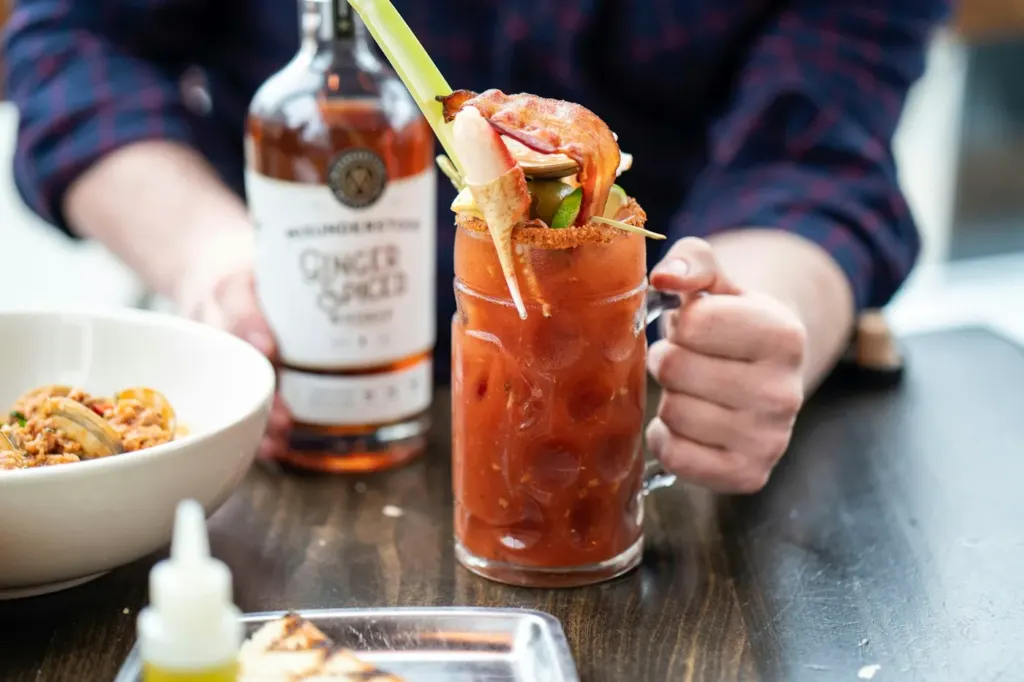
Most cocktails with a contested origin have one strong claim and a few opportunists. The Bloody Mary is unusual in having two serious claimants who were both, in different senses, telling the truth — and one of whom effectively conceded the point in print without appearing to notice.
The short answer
The basic drink — vodka and tomato juice — is most likely George Jessel’s, from around 1927. The drink as anyone now recognises it, with the salt, pepper, cayenne, lemon and Worcestershire, is Fernand Petiot’s, developed at the King Cole Bar of the St Regis in New York from 1934. Both claims can be true because they are claims to different things.
The two claimants
| George Jessel | Fernand Petiot | |
|---|---|---|
| Who | American entertainer | Professional bartender |
| Where | La Maze’s bar, Palm Beach | Harry’s New York Bar, Paris; then the St Regis, New York |
| When | 1927 | Early 1920s (disputed); 1934 onwards in New York |
| Claim | Vodka and tomato juice | The seasoned modern drink |
| Best evidence | A 1939 printed recipe in his name | His own 1964 account, and the St Regis record |
| Weakness | Told in a 1975 autobiography, decades later | Absent from Harry’s own 1927 book |
George Jessel was an American entertainer, not a bartender. In his 1975 autobiography he described inventing the drink in Palm Beach in 1927, after a heavy night, mixing vodka with tomato juice at La Maze’s bar. The name, in his telling, came from a socialite called Mary Brown Warburton spilling it down a white gown and announcing “Now you can call me Bloody Mary, George.”
The corroboration for Jessel is better than the anecdote suggests. A recipe called George Jessel’s Pick-Me-Up — vodka, tomato juice, Tabasco, lemon — appears in a Cotton Club drinks book in 1939, decades before the autobiography. He was publicly associated with the drink long before he claimed it.
Fernand Petiot was a professional bartender, working at Harry’s New York Bar in Paris from his teens, and the traditional credit puts the invention there in the early 1920s. The problem is documentary: the Bloody Mary is absent from Harry MacElhone’s own Barflies and Cocktails, published in 1927. A bar does not usually leave its own famous drink out of its own book.
And then there is what Petiot himself said. Interviewed by the New Yorker in 1964, he put it like this: “I initiated the Bloody Mary of today. Jessel said he created it, but it was really nothing but vodka and tomato juice when I took it over.”
Read that twice. It is a claim to the modern drink and a concession on the original one, in the same breath.
What Petiot actually added
He described his own method in that same interview, and it is worth having in full because it is the moment the drink becomes the drink:
“I cover the bottom of the cocktail shaker with four large dashes of salt, two dashes of black pepper, two dashes of cayenne pepper, and a layer of Worcestershire sauce; I then add a dash of lemon juice and some cracked ice, put in two ounces of vodka and two ounces of thick tomato juice, shake, strain and pour.”
Two ounces of each. Modern Bloody Marys are usually far longer on tomato juice than that, which is why they read as a savoury soft drink with vodka in rather than as a cocktail. Petiot’s ratio is a cocktail.
What came before either of them
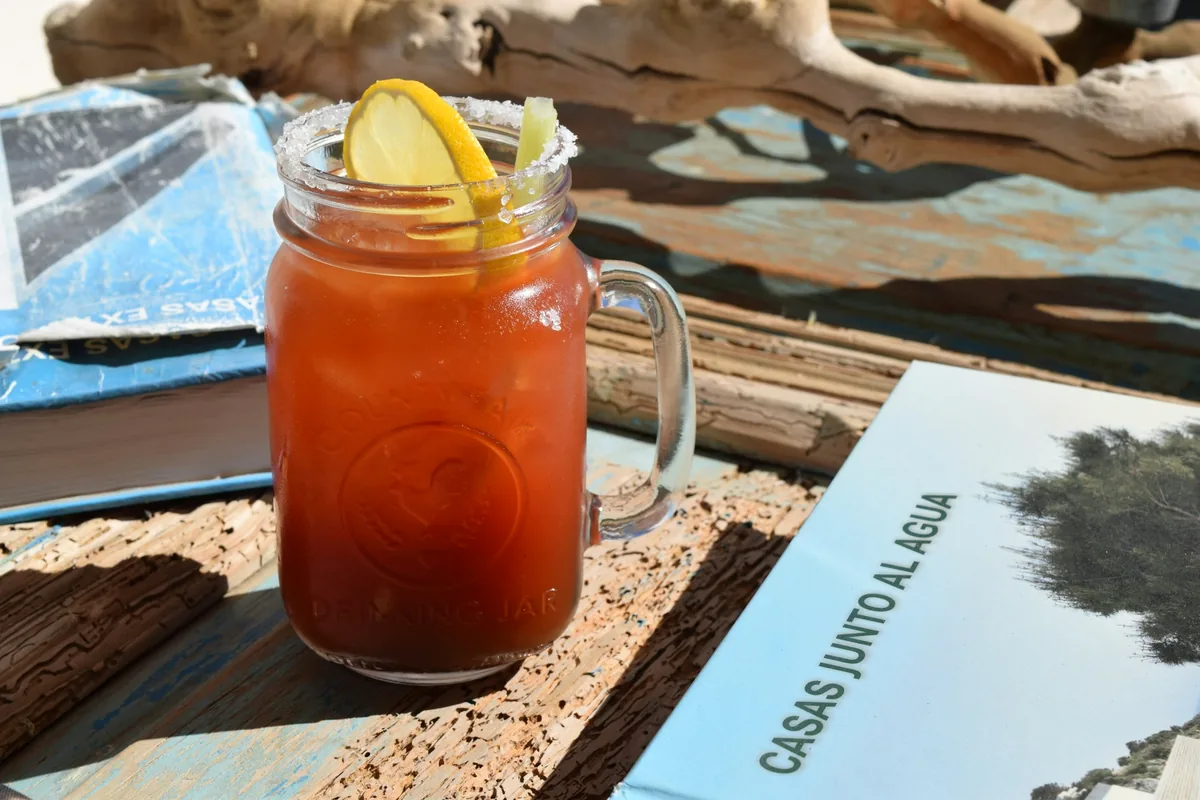
Neither man invented spiced tomato juice, and this is the part usually left out.
There was an oyster cocktail circulating from at least 1892 — oysters, tomato juice, lemon, horseradish, Tabasco, chilli sauce — served as a restorative and containing no alcohol whatsoever. And from 1917 there was the tomato juice cocktail, which began when Louis Perrin at the French Lick Springs Hotel in Indiana ran out of orange juice and served tomato instead. Ernest Byfield commercialised the spiced version, and by 1934 Time was reporting that tomato juice had gone from invalid food to an $8.5 million business.
So by the time anyone poured vodka into it, savoury spiced tomato juice was an established American drink with a decade and a half of momentum. The invention was not the flavour. It was the addition of a spirit — and specifically of vodka, which in 1930s America was an obscure product looking for a use.
Why it was called a Red Snapper
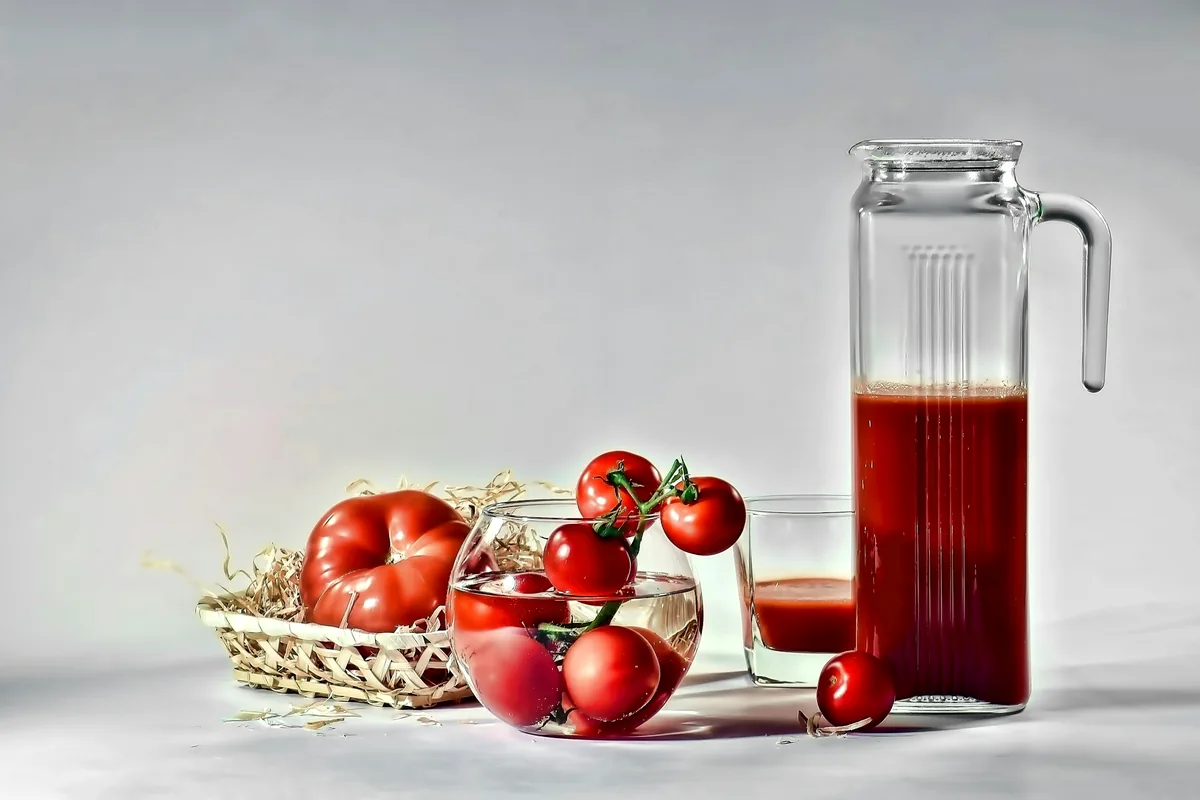
Around 1935 the St Regis renamed the drink. The usual explanation is that the hotel’s owner, Vincent Astor, thought “Bloody Mary” too coarse for his room, which is plausible. The more entertaining suggestion is that Astor was a keen fisherman who spent his time on his yacht in the Bahamas, where red snapper are abundant, and the drink is undeniably red and snappy.
One durable myth to clear up: the Red Snapper is often said to be the gin version. It was not, originally. The 1941 recipe credited to the St Regis specifies vodka. A gin Red Snapper does not show up in print until 1962, and looks like a later improvisation that stuck. Today the name is used for the gin build, and that usage is real — it is just not what the St Regis meant.
Where the name came from
Four explanations are in circulation and none is settled.
Mary Tudor, for the Marian persecutions, is the most repeated and the most satisfying, and there is no contemporary evidence for it. Mary Brown Warburton and the stained gown is Jessel’s own account. A waitress named Mary at the Bucket of Blood saloon in Chicago is a third, suggested by the entertainer Roy Barton. And Harry MacElhone’s grandson has offered a fourth: a woman named Mary who sat at the Paris bar waiting for a boyfriend who did not turn up.
A drink with four origin stories for its name usually has none. The likeliest explanation is that “Bloody Mary” was simply an obvious thing to call a red drink in the 1920s, and the stories were fitted afterwards.
And the celery
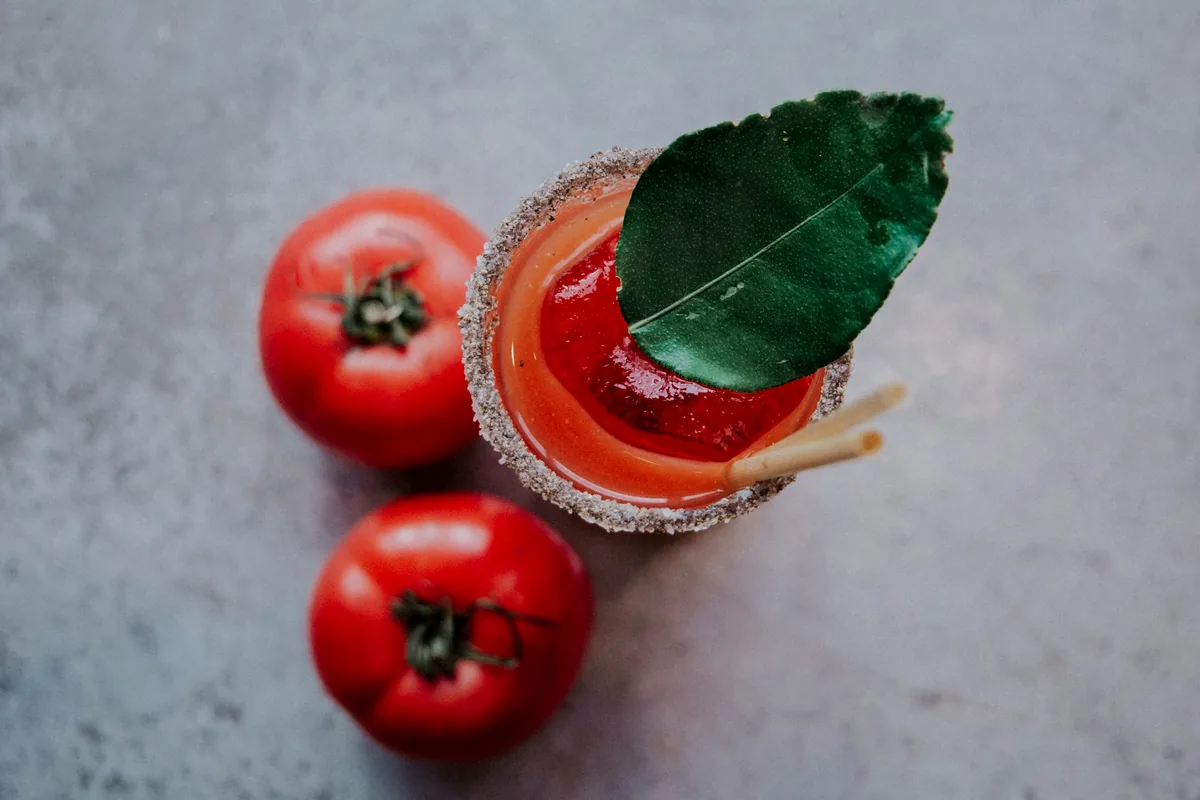
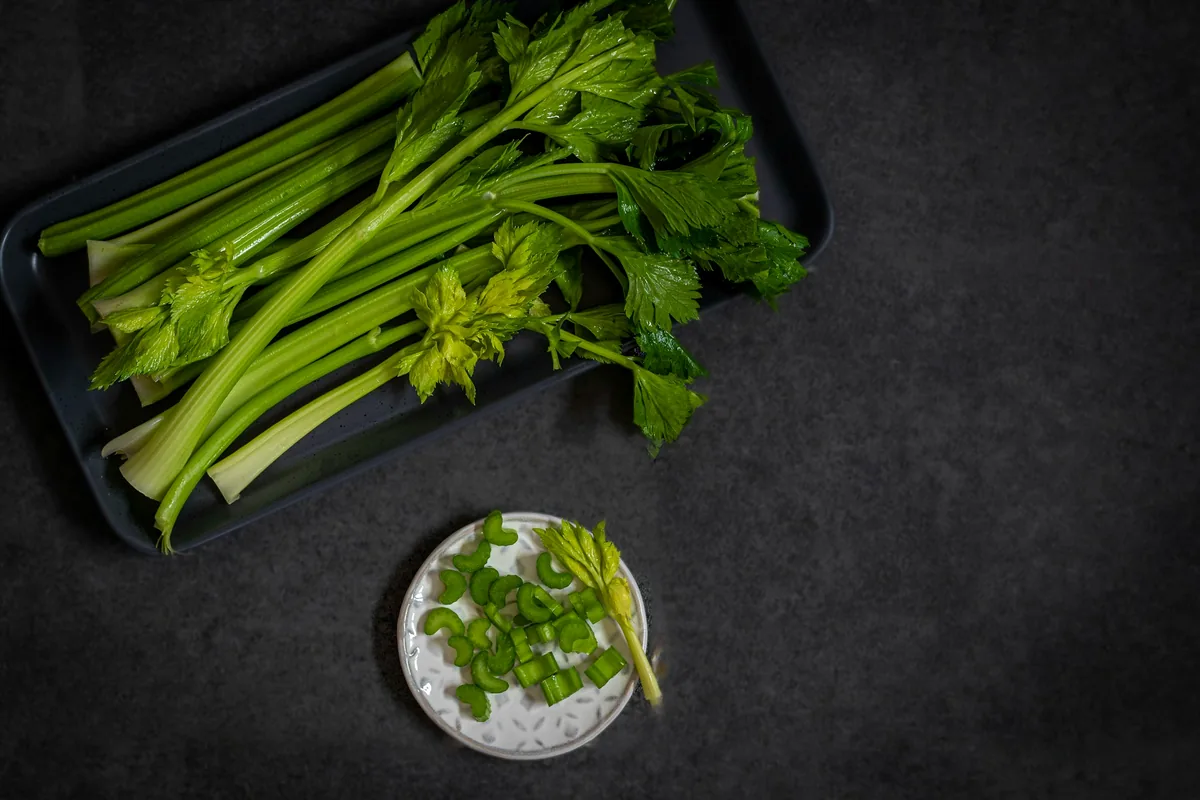
Later than you would think. The stick of celery is usually credited to the Pump Room in Chicago in the 1960s, when a guest supposedly grabbed a celery stalk to stir a drink that arrived without a swizzle. It is a good story, and the first documented print reference to celery in a Bloody Mary is not until 1979. The garnish is a modern habit, and the arms race of bacon, cheese and sliders on a skewer is very modern indeed.
Frequently asked questions
Who invented the Bloody Mary?
Genuinely disputed. The best reading is that George Jessel originated vodka and tomato juice around 1927, and Fernand Petiot built the seasoned modern version at the St Regis from 1934. Petiot’s own 1964 statement supports that split.
What is the difference between a Bloody Mary and a Red Snapper?
Today, the spirit: a Red Snapper is made with gin. Historically the name was simply the St Regis’s own name for the vodka drink, adopted around 1935.
Why is it called a Bloody Mary?
Nobody knows. Four separate explanations circulate – Mary Tudor, a socialite’s stained dress, a Chicago saloon waitress, and a woman waiting at a Paris bar – and none has contemporary documentation.
Was the Bloody Mary invented in Paris?
Probably not, despite the tradition. Its conspicuous absence from Harry’s New York Bar’s own 1927 book is hard to explain if it was a house drink there.
What was Meyboom’s Bloody Mary?
The archived brunch menu listed one built on Sobieski vodka with tomato and spices. That page is preserved here as a record of what the restaurant served; Meyboom Brasserie closed permanently on 31 August 2025.
The short version
Two men have a real claim and they are claiming different drinks: Jessel the vodka-and-tomato-juice original, Petiot the seasoned version that made it famous. Spiced tomato juice long predates both. The Red Snapper was the St Regis’s own name for the vodka build, not the gin one. And the celery arrived decades after everything else.
Related: what cocktail bitters do, the sour template, and aperitif vs digestif.